
Microfiber sheets pros and cons: a practical buying and care guide
Explore the pros and cons of microfiber sheets. Learn how to choose, care for them and whether they're right for your home in South Africa.
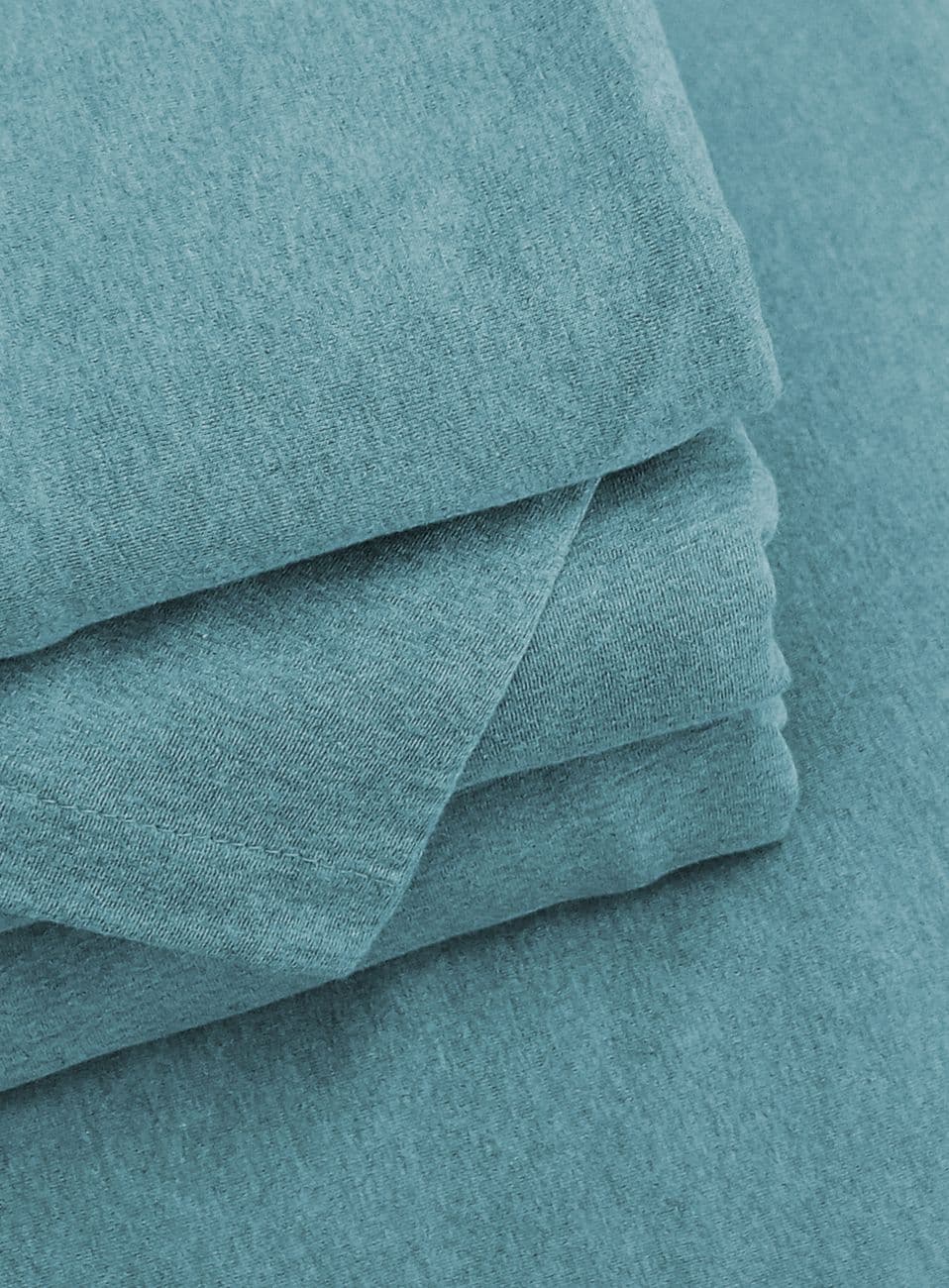
Affordable comfort
Microfiber often costs less and stays soft after washing.
Easy care
Dries quickly and resists deep creasing-good for busy households.
Consider breathability
Dense weaves can trap heat; choose weight and finish to suit sleepers.
What are microfiber sheets?
Microfiber sheets are woven from very fine synthetic fibres-usually polyester or a polyester blend-designed to feel soft, resist wrinkles and dry quickly. In this guide we look at the key pros and cons of microfiber sheets, explain how to choose quality options, and share practical care tips so your bedding lasts longer.
How microfiber is made and why it matters
Microfibres are much finer than traditional polyester threads, which lets manufacturers weave dense, smooth fabrics without heavy weight. That gives microfiber sheets a plush, almost silky feel while keeping them lightweight. The weave, finishing and fibre quality all affect breathability and durability-so not all microfiber is the same.
Common features you’ll see
- Easy-care: machine-washable, low wrinkling
- Fast-drying: useful in humid seasons or small homes
- Budget-friendly: lower price points than many cotton sets
- Wide colour choices and fade-resistant dyes
If you’re already browsing bedding, see our curated Bed & Linen selection for a quick look at available sizes and price bands: Bed & Linen.
Pros of microfiber sheets
Below are the main benefits people choose microfiber for. We present each point with plain examples so you can match features to your home and routine.
1. Affordable and widely available
Microfiber sets often start at lower prices than comparable cotton sets, making them a good option for tight budgets or spare-room bedding. In South Africa, typical microfiber sets are an estimated range from about R200 to R800 depending on size and brand; these are estimates and vary by retailer and fabric weight.
2. Low-maintenance and fast-drying
Microfiber dries quickly in a line or a short tumble cycle, which is useful in rainy seasons or when we need bedding ready the same day. They also resist deep creasing, so beds look tidy with minimal ironing.
3. Soft, smooth feel and good colour retention
A fine weave gives microfiber a smooth surface that many people find comfortable year-round. Dyes bond well with the fibres, so colours often stay bright after many washes.
Note: 'softness' is subjective. We recommend feeling a sample in-store or checking return policies before committing to a full set.
4. Hypoallergenic properties for many users
Because microfiber fabrics are tightly woven, they can reduce dust mite entry and trap fewer particles than loose-weave fabrics-helpful for some allergy sufferers. Still, regular washing is key for allergy control.
Cons of microfiber sheets
Microfiber has useful strengths, but there are trade-offs. Knowing these helps us choose the right bedding for sleepers, climate and care routines.
1. Breathability and heat retention
A dense microfiber weave can hold more heat than cotton per weight, which some people find too warm in hot summer months. If you sleep hot, look for lightweight microfiber labelled for warm-weather use or consider cotton or linen alternatives.
2. Synthetic feel and environmental considerations
Microfiber is synthetic-so it can feel less natural to those who prefer natural fibres. Also, like other synthetics, tiny fibres can shed during washing; choosing higher-quality constructions and following care instructions reduces shedding.
3. Static and pilling
Some microfiber sheets develop static or light pilling over time, particularly where sheets rub against clothes or a duvet cover. Selecting higher-thread-weight or brushed finishes can minimise this.
How to choose microfiber sheets that work for you
Use this quick checklist when buying:
- Check construction: look for tight, even weaves and reviews mentioning durability.
- Confirm weight and finish: lightweight for hot sleepers, brushed for extra softness.
- Read care instructions: follow temperature recommendations to avoid heat damage.
- Review returns and warranty so we can test sheets at home risk-free.
Care basics to keep microfiber sheets fresh
Wash in cool to warm water, use a gentle detergent, and avoid fabric softeners that can reduce absorbency. Tumble on low or line-dry for best results. If static builds, a dryer sheet sparingly or a damp cloth in the dryer can help-test a small load first.
When to pick microfiber - and when to choose something else
Choose microfiber if we want an affordable, durable, easy-care set for spare rooms, student accommodation or everyday use. If we prefer natural fibres, sleep hot, or want long-term breathability, consider cotton percale, Egyptian cotton alternatives or linen.
For more about bedding types and how they compare, our editorial guides can help: Bed & Linen articles and broader sleep and home tips are available in Home articles.
A simple buying plan for South African homes
- Measure your mattress and note depth before ordering fitted sheets.
- Start with one set to test for warmth and feel-remember return policies.
- Expect to spend an estimated R200-R800 for common microfiber sets; premium blends cost more.
We hope this practical look at microfiber sheets pros and cons helps you decide with confidence. Take a small test purchase, check care instructions, and match the sheet weight to how you sleep and the seasons in your home.

Performance Marketing Lead at Bash, with a background in marketing from UNISA and years spent driving paid search strategy at leading e-commerce brands like takealot.com, I focus on data-driven growth, Google Ads optimization, and scaling digital performance.
Disclaimer: This content is for educational purposes only. Product availability, pricing, and specifications are subject to change. Always verify current details on the retailer's website before making a purchase.
Sources
- Sleep Foundation - What are microfiber sheets?
- NHS - Sleep advice and bedding tips
- Consumer Reports - Bedding buying guides
- Health24 - South African health and lifestyle coverage


