
Cotton duvet covers: materials, weaves and breathability explained
Learn how cotton types and weaves (percale, sateen, poplin) affect breathability and comfort. Practical buying and care advice for South African bedrooms.
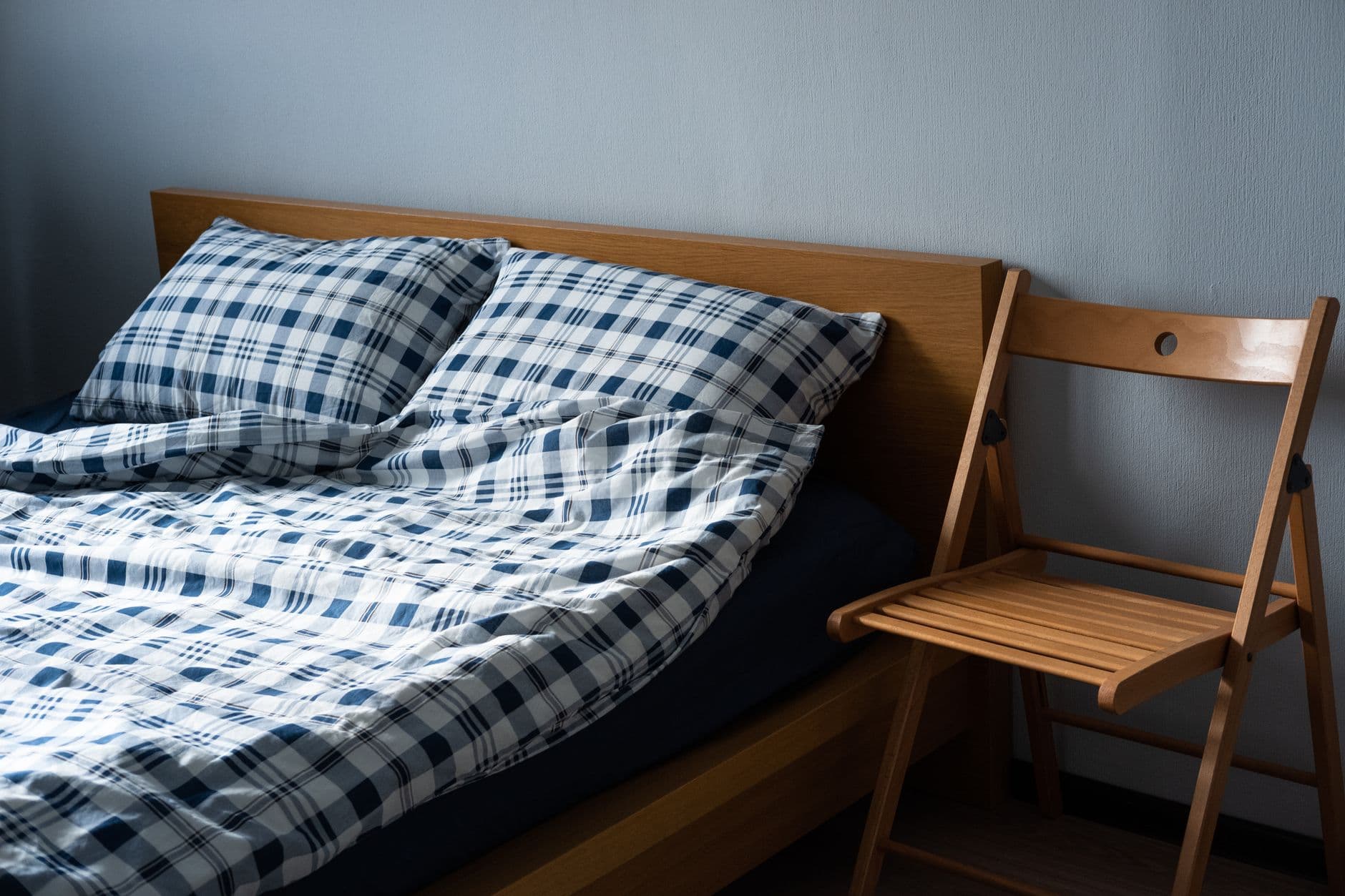
Weave decides airflow
Percale breathes best; sateen feels smoother but is slightly warmer.
Fibre quality matters
Long-staple cotton gives strength, softness and longer life.
Match to your climate
Choose percale for hot sleepers and sateen for cooler nights.
Why cotton matters for duvet covers
We often choose a duvet cover for colour or price, but cotton plays the biggest role in how your bed actually feels at night. Cotton is a natural fibre that breathes, wicks moisture and softens with washing - qualities that suit a wide range of South African bedrooms, from coastal summers to chilly inland winters. In this article we focus on the basics a beginner needs: cotton types, common weaves, and how those choices affect breathability and comfort.
What we mean by "cotton type" and "weave"
Two separate ideas get mixed up a lot. "Cotton type" refers to the raw fibre - examples are conventional upland cotton, long-staple cottons like Egyptian or Pima, and blends. "Weave" describes how yarns are woven into fabric - think percale, sateen or poplin. The same cotton type can be woven in different ways and produce very different results for breathability, hand-feel and durability.
Quick practical rule
If you want a cool, crisp feel: favour long-staple cotton in a percale weave. If you want a silkier, drapey finish: choose a sateen weave. If you need an everyday hard-wearing cover at a lower price: poplin or plain weaves work well. We give more detail and real examples below.
How weave changes breathability and feel
| Feature | Percale (crisp) | Sateen (smooth) |
|---|---|---|
| Weave structure | Tight plain weave, one-over-one-under | Warp-faced satin weave, more yarn floats |
| Breathability | Higher airflow, cooler to sleep on | Lower airflow but good moisture absorption |
| Hand-feel & finish | Crisp, matte, becomes softer after washes | Silky, smoother surface, slight sheen |
Cotton types and what they actually mean
We think about three practical groups for shoppers in South Africa: long-staple cottons, standard cottons, and blended or treated cottons.
Long-staple cotton (Pima, Egyptian)
Longer fibres make finer, stronger yarns. That translates to smoother fabric that resists pilling and often lasts longer. If you prefer a breathable duvet cover that feels luxuriously smooth and holds dye well, look for mentions of "long-staple" or specific names like Egyptian or Pima. These covers often sit one price tier above basic cottons - expect mid-range pricing that can be roughly R300-R1 500 depending on finish and brand, though exact prices vary by style and size.
Standard upland cotton
This is the most common cotton used for everyday duvet covers. It breathes well and is cost-effective. Paired with a percale weave, it gives a fresh, cool feel and is a smart choice for humid provinces or warm sleepers.
Blends and finishes
Cotton blends (cotton-polyester) or finishes (wrinkle-resistant treatments) can add durability or make ironing easier, but they often reduce breathability. We recommend blends for busy guest rooms or children's beds where low maintenance is important, and 100% cotton for bedrooms where airflow and comfort matter most.
Choosing by climate and personal sleep habits
Match the weave and cotton type to the conditions you actually sleep in:
- Coastal summers or hot sleepers: percale + 100% cotton for maximum breathability.
- Cooler inland nights: sateen or long-staple cotton for warmth and a soft finish.
- Shared beds with different preferences: use a lightweight percale duvet cover and choose the duvet inner to tune warmth.
Where to look on Bash for cotton duvet covers
We carry a range across categories so you can compare fabrics and finishes. Browse our Bed & Linen selection to compare cotton duvet covers, and check Duvet Inners & Pillows to match the inner warmth to the cover you choose.
Practical details we test for and recommend
When we evaluate a cotton duvet cover we look at weave, yarn quality, finishing and construction details. These are things you can check on a product page or label.
Yarn and thread information
Instead of relying on thread-count alone, focus on yarn quality and weave. A 200-300 thread-count percale made from long-staple cotton is often more breathable and longer-lasting than a 600 thread-count sateen made from short fibres. Thread-count is one signal, but fibre length and weave are stronger predictors of performance for breathability.
Finish and maintenance
Look for pre-shrunk or pre-washed notes - they give a more predictable fit after laundering. For South African households that prefer low-maintenance bedding, a cotton blend or a cover with a durable finish can be sensible for everyday rooms. Remember: finishes that reduce creasing can slightly reduce airflow, so balance ease-of-care against cooling needs.
Construction and fastenings
Check for strong seams, a full-length zipper or button placket, and internal ties or corner loops to secure your duvet inner. Corner ties are especially helpful in high-wind inland homes where the inner can shift during the night.
Simple tests you can do before buying
We recommend these quick checks when browsing in-store or reading a product page:
- Read the fibre content first: 100% long-staple cotton for best breathability.
- Check weave: percale for cool crispness; sateen for softness and warmth.
- Look for care labels that show machine washability at practical temperatures and pre-shrunk statements.
A South African example scenario
If you live in Durban or East London and sleep hot, we usually recommend a 100% cotton percale cover paired with a lightweight duvet inner - this combo lets moisture escape and keeps the bed feeling fresh after a warm evening. If you’re in the Cape Winelands and prefer a cozier bed in winter, a sateen long-staple cotton cover with a midweight inner offers warmth without feeling synthetic.
Caring for cotton duvet covers to keep breathability
Simple laundry habits preserve the fabric’s breathability: wash in warm water (check the label), avoid fabric softeners (they can leave residue that reduces wick and airflow), tumble dry on low or line dry, and iron sparingly. Over time a percale cover will soften and become more breathable; a sateen will retain its sheen but might feel slightly warmer.
Final checklist before you buy
- Decide whether coolness or softness matters most to you.
- Prefer 100% long-staple cotton for both breathability and durability where possible.
- Match weave to climate: percale for heat, sateen for extra warmth and drape.
- Confirm construction details: ties, closures and pre-shrunk finish.
- Shop the Bed & Linen category or compare options alongside Duvet Inners & Pillows to tune warmth and weight.
Where we can help on Bash
We stock cotton duvet covers across price points and finishes so you can match weave and cotton type to your room and sleep style. Start at our Bed & Linen hub and filter by fabric, weave and finish to compare items quickly.
Care note: if you are sensitive to heat, try a percale cotton cover for a few nights before committing to high-thread-count sateen - the difference in overnight comfort can be surprisingly big.

Performance Marketing Lead at Bash, with a background in marketing from UNISA and years spent driving paid search strategy at leading e-commerce brands like takealot.com, I focus on data-driven growth, Google Ads optimization, and scaling digital performance.
Disclaimer: This content is for educational purposes only. Product availability, pricing, and specifications are subject to change. Always verify current details on the retailer's website before making a purchase.
Sources
- Cotton Incorporated - fibre and fabric information
- OEKO-TEX® - textile safety and standard information
- The Textile Institute - independent textile guidance


