
When linen bedding isn’t the easiest choice: cost, wrinkles, care and durability trade-offs
We look at linen bedding downsides - cost, creasing, care and durability - with practical South African examples and shopping pointers on Bash.
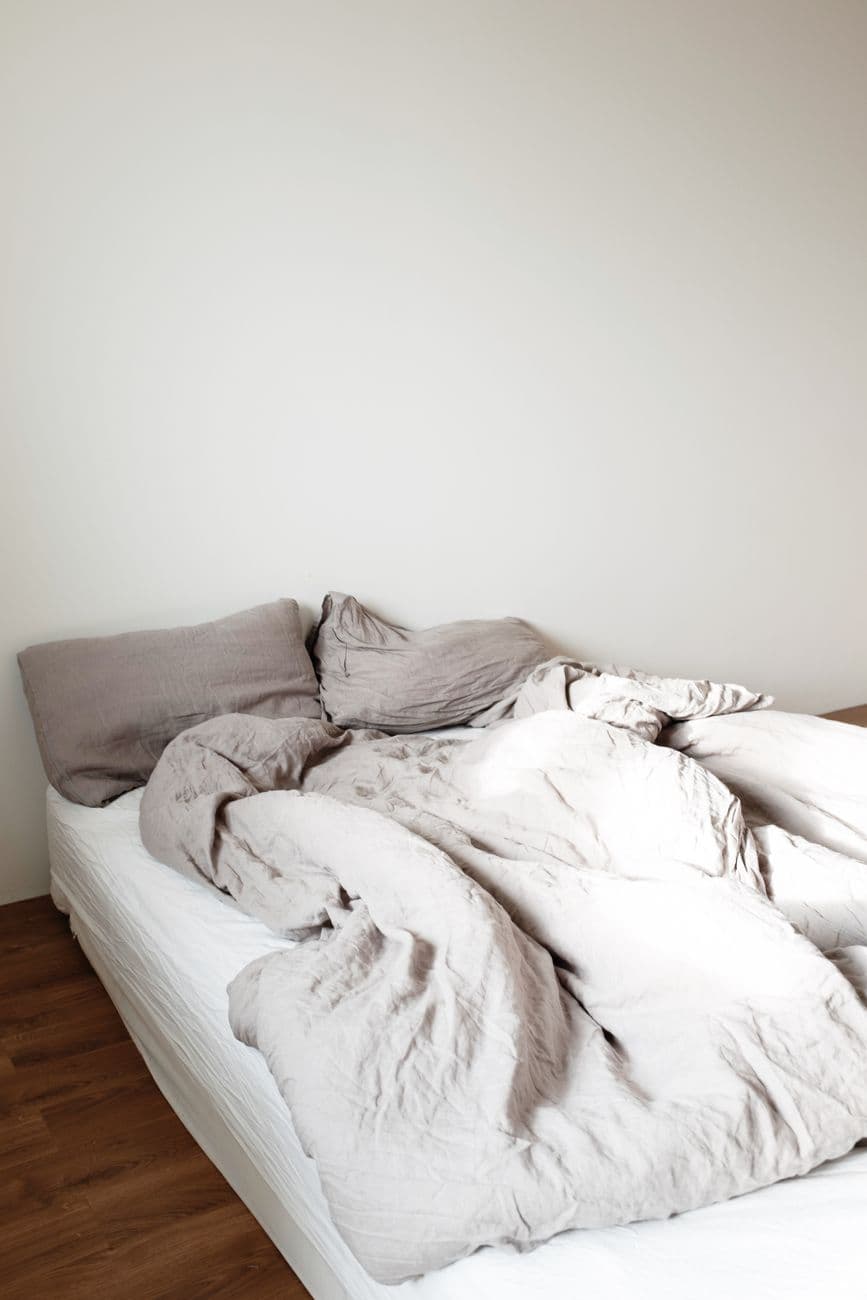
Know the trade-offs
Linen offers natural breathability but costs more and wrinkles easily.
Care matters
Gentle wash, line-dry and rotation extend linen’s life and texture.
Match to routine
Choose linen when texture and relaxed style fit your daily rhythm.
Why we love linen - but still look twice
We often recommend linen for its natural feel and breathability, but linen also brings everyday trade-offs that matter for busy lives and South African homes. This piece focuses on the downside choices: higher upfront cost, visible creasing, specific care needs, and mixed long-term durability compared with other sheet types. We want you to make an informed choice that fits your routine - not a fashion purchase you'll regret.
Quick comparison at a glance
| Feature | Linen | Cotton (percale/eg. typical alternative) |
|---|---|---|
| Feel & thermal behaviour | Breathable, cool to the touch; softens with washing. | Smooth and cool (percale) or soft (sateen); more consistent hand initially. |
| Care and maintenance | Needs gentle wash cycles, line-dry preferred; wrinkles easily. | More forgiving in washing; many cottons tolerate tumble-dry and ironing better. |
| Price & durability | Usually higher upfront (R bands vary by weave/brand); durable but can show wear unevenly. | Wide price range (often cheaper entry points); durability varies by thread and weave. |
Where linen’s downsides show up in everyday life
We’ll be honest: linen makes some aspects of bedmaking and home life more demanding. Linen wrinkles quickly, which means a recently-made bed will often look casually rumpled unless you iron or use specialised laundering. If you prefer a crisp hotel-look each morning, linen requires either extra effort or acceptance of the lived-in aesthetic.
- Wrinkles are part of linen’s character - for many people that’s a feature, not a flaw. But if you dislike creasing, expect to iron or choose another fabric.
- Upfront cost is higher for quality linen. Expect well-made linen sheet sets to sit above mid-range cotton in price. Lower-cost linens exist, but they often compromise on feel and longevity.
- Care routines matter: hand or gentle machine washes, line drying where possible, and occasional steaming prolong good condition. Frequent tumble-drying shortens life and increases stiffness.
How the cost adds up - a realistic view
When we talk money, we break it into three practical buckets: upfront purchase, ongoing laundering, and replacement cadence. In South Africa, quality linen sets are commonly found in price bands starting around R1 200 for basic sets and going higher for heavier European linens or designer labels. You’ll often pay more for heavier-weight linen per square metre than for comparable cotton. That cost can be justified if you want linen’s look and its long-term softness, but it’s a real trade-off if you’re balancing household budgets or need frequent replacements.
Everyday-care costs
Linen tends to need gentler wash cycles and line drying, which can mean more time or slightly higher utility use (if you use cooler tumble cycles or professional laundry services). If you prefer machine convenience and regular tumble-drying, cotton becomes a cheaper, lower-effort option over time.
If you’re shopping, we suggest browsing our Bed & Linen selection to compare price bands and weight options before deciding. Bed & Linen
Durability: linen lasts, but not without quirks
We’ve found linen can outperform cheap cotton in longevity if cared for correctly, but the way it ages is different. Linen develops a relaxed, textured patina - some people love this; others see uneven wear where high-friction areas (edges, seams) soften faster. Small holes or thinning can appear if linen is repeatedly tumble-dried on high heat or washed harshly.
Practical choices that reduce the downsides
- Choose the right weight: lighter linens feel airier but crease more; mid-weight linens strike a balance between drape and resilience.
- Accept the lived-in look or plan for ironing: the two are incompatible unless you buy linen blends that crease less.
- Rotate sets: keeping at least two sheet sets per bed reduces laundry stress and spreads wear evenly.
If you prefer fabrics that need less fuss, explore our wider Bed & Bath articles for alternatives and fabric explanations. Bed & Bath
Real-life examples and choices we recommend
Here are three common South African household scenarios and the choice we’d make, based on experience:
- Family home with children and frequent laundry: we usually recommend durable cotton or cotton blends for easier care and lower replacement risk.
- Bedroom where style and texture matter, and you enjoy relaxed mornings: choose linen, accept the rumpled look, and buy a mid-weight set in a neutral tone.
- Guest room used occasionally: linen can be a lovely option if you rotate sets and line-dry; otherwise go for a low-maintenance cotton set.
Where to start on Bash
We suggest trying a single linen set first rather than outfitting the whole house. Compare options on our Bed & Linen category and read product descriptions carefully for weight and care instructions. If you want texture with fewer wrinkles, look at linen-cotton blends or mid-weight linens in our listings.
Consideration: a well-made linen set can be an investment. If you pay R1 200-R2 500 for quality linen, factor in gentler washing and rotating sets to get the most value over several years.

Performance Marketing Lead at Bash, with a background in marketing from UNISA and years spent driving paid search strategy at leading e-commerce brands like takealot.com, I focus on data-driven growth, Google Ads optimization, and scaling digital performance.
Disclaimer: This content is for educational purposes only. Product availability, pricing, and specifications are subject to change. Always verify current details on the retailer's website before making a purchase.
Sources
- Sleep Foundation - Bedding materials and sleep quality
- Which? / Consumer organisation (South Africa) - Fabric care and consumer guidance
- International Organization for Standardization - Textile care labelling standards


