
Seasonal guide to bedding and bath comfort for South African homes
A practical, season-focused how-to for making bedrooms and bathrooms comfortable year-round in South African homes - fabrics, layering, care, and product ranges.
Audit, then buy
A 15-minute room check tells you what to swap and what to keep.
Layer, don’t replace
Use lightweight and heavy layers to handle changing temperatures.
Care extends life
Small laundry and storage choices keep textiles comfortable longer.
How this guide helps you
We know seasonal comfort in South African homes is less about trend and more about everyday living: cooler Cape winters, humid summers on the coast, and dry inland heat. This guide gives step-by-step, season-focused actions you can take in minutes - from quick swaps to small purchases - so your bedroom and bathroom feel right for the weather and for your household rhythm.
Start with a seasonal audit (15 minutes)
Before you buy anything, walk each bedroom and bathroom and note three things: current sleep temperature, mattress padding/protection, and how often towels and throws are washed. These notes make choices practical: a home that runs cool at night needs a different blanket strategy than one that’s warm and humid.
Quick checklist
- Room climate: cool, neutral, warm, or humid.
- Who sleeps there: child, adult, sharer, or shift worker.
- Washing routine: daily, twice weekly, weekly.
Choose fabric families by season
Different fibres behave differently with temperature and moisture. We recommend focusing on the three most useful families for South African homes: cotton (versatile), linen (breathable and easy-care), and microfibre/thermal blends (cost-effective warmth).
Summer picks
For hot inland days and humid coastlines, pick lightweight cotton percale or loose-weave linen. These fabrics breathe and release moisture quickly. A single cotton sheet set and a thin linen throw are often all you need for most of the year.
Winter picks
In colder months, add layered options: a breathable duvet inner with a medium-weight duvet cover, a fleece or wool-blend blanket, and a mattress protector to trap warmth. For those on a budget, a good-quality microfibre duvet inner paired with a heavier blanket gives reliable warmth without big spending.
Transitional seasons (autumn/spring)
Layering is the easiest way to respond to swings between warm days and cool nights. Keep a light throw at the bedside and a medium duvet in the cupboard - swap them as temperatures change rather than replacing whole sets.
Practical bedding purchases and expected South African ranges
We encourage buying a few versatile pieces rather than full seasonal wardrobes. Typical price bands you’ll find on Bash for common items:
- Single sheet set (cotton percale): R250-R700 (estimate depending on threadweight and brand).
- Double/Queen duvet inner (all-season synthetic): R400-R1 200.
- Wool or heavier throw: R350-R1 500.
- Mattress protector (waterproof, breathable): R200-R800.
These ranges are estimates to help planning; materials and brand influence price. If you want a quick browse of bed linen options, our Bed & Linen category has a range to suit different budgets and seasons.
Room-by-room seasonal priorities
Rather than long theory, here are the practical priorities we follow when adjusting rooms for the season.
Bedrooms
Focus on layers, breathability, and quick-change items. Keep any heat-trapping mattress toppers for winter storage and use a thinner protector through summer. For dual-climate households (e.g., different sleepers with different needs) buy an extra throw per bed rather than separate duvets.
Bathrooms
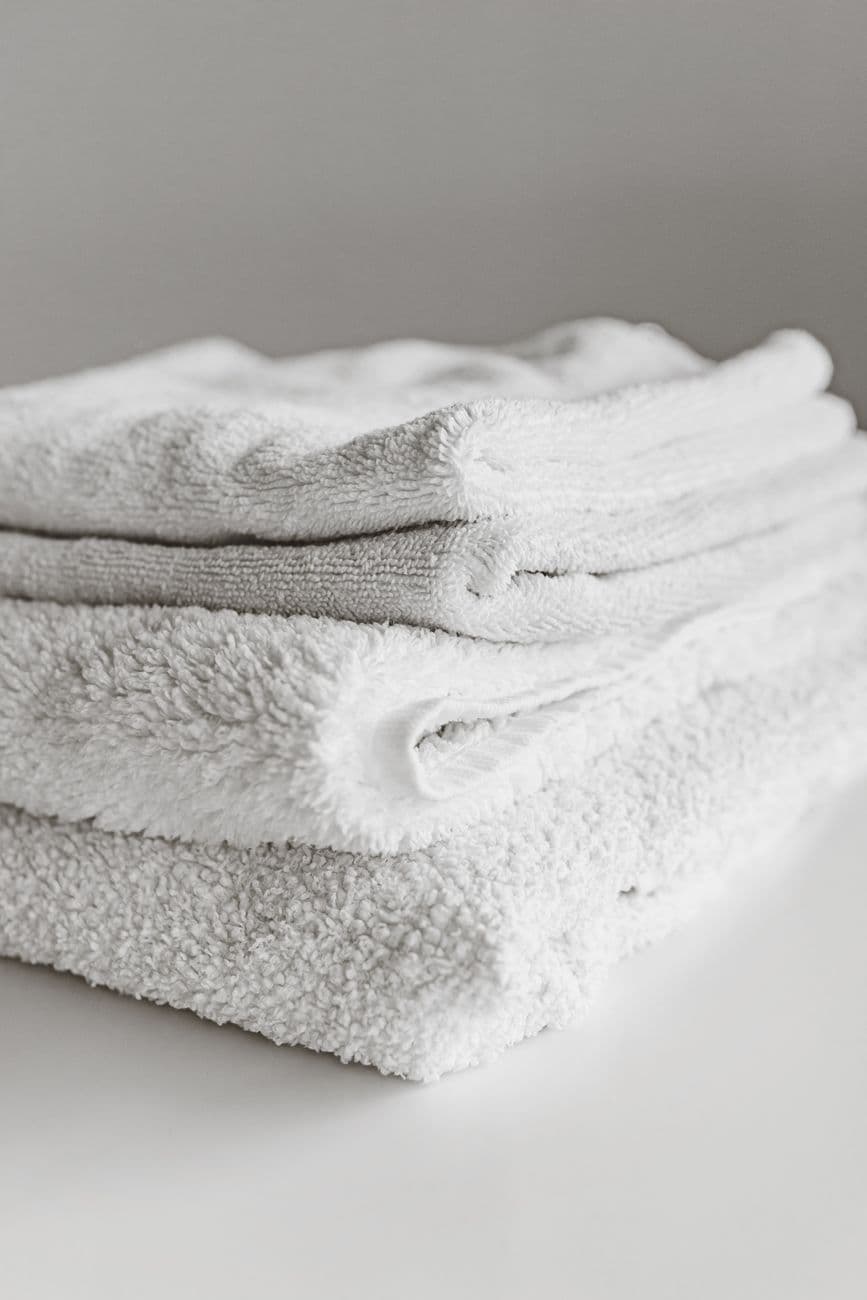
In humid summers, quick-dry towels reduce mildew and keep the space fresh. In winter, plush, higher GSM towels feel warmer coming out of a shower. For everyday flexibility, we recommend one set of quick-dry towels for frequent use and one plush set stored for colder months. See our Towels & Bath Mats collection for suitable options.
Care habits that extend comfort across seasons
Small care changes protect purchases and keep items performing. Wash sheets weekly in hot weather and every 10-14 days in cooler months. Use a cool tumble or air-dry linen to keep fibres relaxed and breathable. Treat mattress protectors and pillow protectors as essentials - they preserve warmth and hygiene without changing your bedding style.
How to set up seasonal storage (simple and affordable)
Store off-season textiles where they stay dry and ventilated. We use foldable storage bins for throws and labelled cotton bags for sheets. For wool or natural fibres, add a lavender sachet or cedar block to deter moths. If storage is limited, rotate items in shallow under-bed boxes so the swap takes less than five minutes.
Small upgrades that change comfort most
1. A good mattress protector
A breathable waterproof protector keeps mattresses dry, adds light insulation in winter, and is cheaper than replacing a mattress. We recommend checking the product details for breathability and fitted depth before you buy. Find options in our Mattress Protectors & Base Covers area. Mattress Protectors & Base Covers
2. A pair of well-chosen throws
A light cotton or linen throw and one warmer wool or fleece throw cover most seasonal needs. Keep the light throw on the bed year-round; store the heavier throw within easy reach for cooler nights.
3. Two-towel strategy
Use a quick-dry set for everyday use and a plush set for winter mornings. Rotating increases longevity and keeps your bathroom feeling intentional.
If you’re updating several items at once, pick one priority per month (mattress protector, then sheet set, then towels) to spread cost. We often see better long-term satisfaction from a few well-chosen pieces than from frequent low-quality buys.
Seasonal examples for South African homes
Coastal family home: prioritise quick-dry towels and linen sheets for humidity control; keep a medium-weight duvet for the rare cold snaps. Inner-city flat: use mattress protectors for insulation and one heavy throw you can easily fold away. Shared room for shift workers: provide two separate blankets of different weights so each sleeper controls their side without full-bed swaps.
When to replace, not just repair
Replace sheets that pill, towels that stay damp after a full wash, or protectors with worn waterproofing. As a rule of thumb, expect regular towels to need replacement every 2-4 years depending on wash frequency; higher-quality items last longer. If budget is a concern, focus replacement on the items that affect daily comfort most: sheets, towel set, mattress protector.
Next steps and where to look on Bash
We’ve aimed for practical swaps you can do this weekend. To browse a curated selection, check our Blankets & Throws hub for season-ready options. Blankets & Throws Whether you’re aiming for cooler summers or cosier winters, incremental changes build a noticeably more comfortable home.
Ready to shop? Browse Bed & Linen to find the right option for you.

Performance Marketing Lead at Bash, with a background in marketing from UNISA and years spent driving paid search strategy at leading e-commerce brands like takealot.com, I focus on data-driven growth, Google Ads optimization, and scaling digital performance.
Disclaimer: This content is for educational purposes only. Product availability, pricing, and specifications are subject to change. Always verify current details on the retailer's website before making a purchase.
Sources
- Council for Scientific and Industrial Research (CSIR) - South African housing and climate resilience
- South African National Standards (SANS) - textiles and safety guidance
- Practical energy-savings and thermal comfort advice for South African homes


