
How to wash different types of bedding: step-by-step routines for each fabric
Step-by-step washing and drying routines for cotton, linen, silk, wool, bamboo and synthetics-practical tips for South African homes to keep bedding fresh and long-lasting.
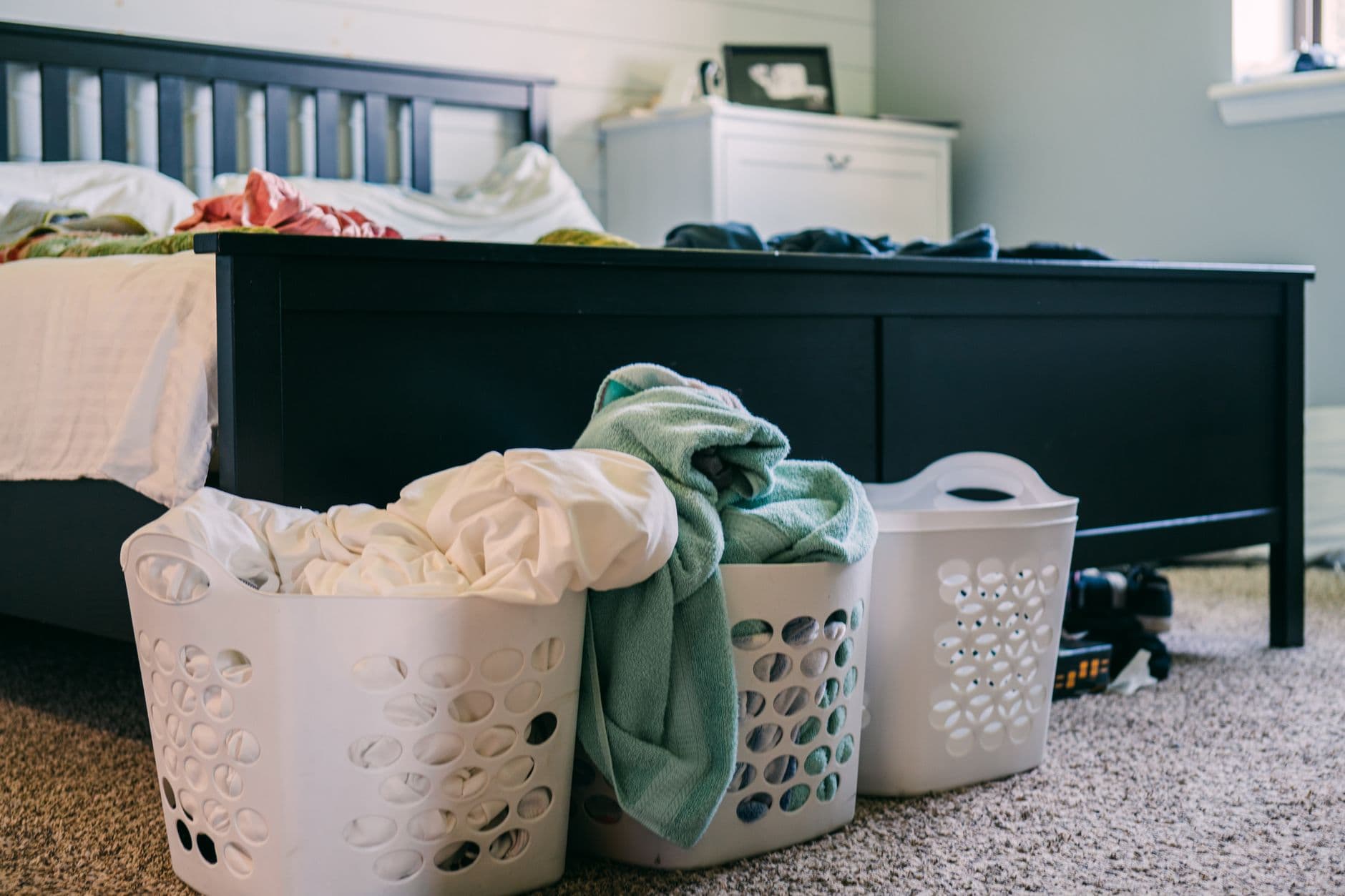
Sort by fabric, not just colour
Grouping linen, silk, wool and synthetics prevents damage and shrinkage.
Follow fabric-specific temps
Use cool for silk/bamboo, gentle for linen, warm for cotton and synthetics.
Dry the right way
Line-dry delicate fibres; tumble low for synthetics and revive loft with dryer balls.
Why fabric-specific routines matter
We wash bedding more than most garments, and each fabric behaves differently. A one-size-fits-all cycle shortens life, leaves residues, or risks shrinkage. Below we give clear, ordered routines you can follow - from sorting to the final dry - so sheets, duvet covers and pillowcases stay comfortable and last longer.
Before you start: a universal checklist
- Read the care label for temperature and drying symbols.
- Check zips, buttons and ties; close or secure them to avoid snags.
- Pre-treat stains (blood, sweat, oils) promptly with a gentle enzymatic stain remover or a paste of water and gentle detergent.
- Wash similar weights together (heavy quilts separate from thin sheets).
- Use the right detergent amount - too much causes buildup; too little reduces cleaning.
Cotton (percale and sateen): daily workhorse routine
Cotton is common in South African homes for its breathability and resilience. Treat percale and sateen similarly, but watch finish instructions for sateen to avoid over-agitation.
Step-by-step
- Sort by colour: whites, lights, darks.
- Machine temperature: 30-40°C for colours; 60°C for whites if hygiene is needed (check label).
- Cycle: normal/regular. Use liquid detergent for colours to reduce residue.
- Spin: medium-high to remove water (reduces drying time).
- Drying: tumble dry low-medium or line-dry in shade. Remove while slightly damp to reduce wrinkles.
If you want a softer finish, add a half-cup of white vinegar to the rinse (it helps remove soap residue). For commercial purchase options, explore Bed & Linen on Bash for sheets and covers: Bed & Linen.
Linen: gentle handling to keep the relaxed look
Linen has a natural texture that becomes softer with each wash but can become rigid or shrink if treated roughly. We recommend a gentler, low-temperature approach.
Step-by-step
- Sort by colour only - linen colours can bleed.
- Machine temperature: cool to 30°C (warm water can make fibres brittle).
- Cycle: gentle or delicate; use liquid detergent and avoid fabric softeners (they coat fibres).
- Spin: low to medium.
- Drying: line-dry flat or hang in shade to keep shape; tumble on low only if label allows.
A quick tip
Linen softens with wear - if it feels stiff after the first wash, that's normal. Press lightly while damp if you prefer a neater look.
Silk and delicate fibres: very gentle, cool routines
Silk pillowcases and delicate decorative shams need special care to stay smooth and to protect skin and hair. We recommend hand-wash or machine-delicate with extra protection.
Step-by-step
- Turn items inside out and place in a mesh wash bag.
- Water: cold (20-25°C). Use a detergent formulated for silk or a very mild baby wash.
- Cycle: hand-wash or delicate, shortest spin only.
- Do not wring; press water out gently between towels.
- Air-dry flat or on a padded hanger away from direct sun.
Wool and wool blends: protect structure and loft
Wool duvets, blankets or covers need care to avoid felting and loss of loft. Many wool items are washable but some require professional care-check labels closely.
Step-by-step
- Use a wool-specific detergent and cold water.
- Cycle: wool or very gentle; avoid agitation and heavy spin.
- For large wool duvets, consider a laundromat front-loader with a gentler drum or professional cleaning.
- Drying: flat drying is safest; reshape while damp to restore loft. Tumble dry on low briefly with dryer balls only if label allows to revive fluff.
Bamboo and rayon-viscose: keep them cool and light
Bamboo fibres feel silky and can be prone to shrinkage. They respond best to cool, gentle cycles and low-heat drying.
Step-by-step
- Wash cold on a gentle cycle with mild liquid detergent.
- Avoid bleach and fabric softener (they reduce moisture-wicking).
- Spin low to medium and line-dry in shade; tumble low briefly if needed.
Synthetic fills and microfibres: fast dry, low fuss
Polyester and microfibre bedding cleans easily but can trap oils and static. Follow a slightly different rhythm to keep them fluffy.
Step-by-step
- Wash warm (30-40°C) on a normal cycle with a liquid detergent.
- Use an extra rinse to clear detergent if you notice residues.
- Tumble dry on medium with dryer balls to restore loft; avoid high heat which melts fibres.
Practical South African examples and costs
In many urban areas a single home laundry load at a laundromat runs roughly R30-R60 depending on machine size and whether drying is included (estimate). For large wool duvets, professional cleaning can be R200-R600 depending on size and fill - these are ballpark figures and will vary by location and service level.
Storage and small habits that extend life
- Rotate sets weekly so one set has regular rest between washes.
- Use a breathable mattress protector to cut down washing frequency for duvets and covers; see Bed & Bath articles for further reading.
- Store seasonal blankets in breathable cotton bags to avoid must and pests.
Troubleshooting: common problems and fixes
Yellowing or residual odour
Soak whites in warm water with a spoon of oxygen-based bleach (not chlorine) before washing. For persistent odours, add a cup of white vinegar to the rinse cycle.
Loss of loft in duvets
Dry with dryer balls or clean tennis balls to separate the fill. If loft does not return, professional refurbishing may be necessary.
Bringing it together: a simple routine you can follow
1) Sort by fabric and colour. 2) Pre-treat stains. 3) Choose the fabric-specific temperature and cycle above. 4) Dry according to the fabric: line for linen/silk/wool; tumble low for synthetics and cotton when needed. 5) Store in breathable covers. For bedding and replacement sets, browse our Bed & Linen collection: Bed & Linen or read related tips in Cleaning & Homekeeping articles.
Sources
- Woolmark - Wool care and washing guidance
- Cotton SA - Fabric facts and care advice
- BBC Good Food - How to wash linen
- South African Consumer Advice - Laundry basics and energy tips

Performance Marketing Lead at Bash, with a background in marketing from UNISA and years spent driving paid search strategy at leading e-commerce brands like takealot.com, I focus on data-driven growth, Google Ads optimization, and scaling digital performance.
Disclaimer: This content is for educational purposes only. Product availability, pricing, and specifications are subject to change. Always verify current details on the retailer's website before making a purchase.


