
Caring for linen sheets to make them last
Practical guide for South African homes: washing, drying, stain care and storage tips to keep linen sheets soft and long-lasting.
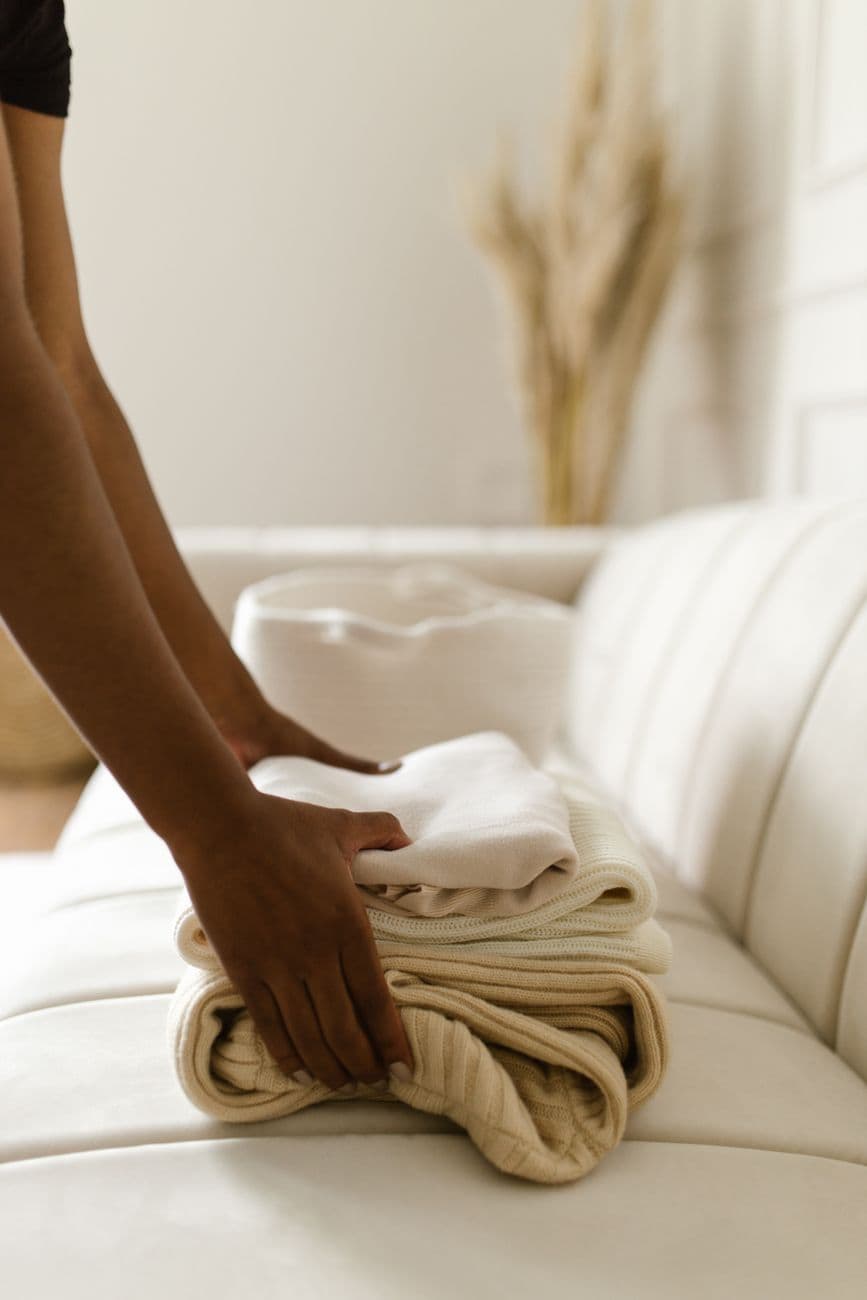
Gentle wash routine
Use mild detergent, 30-40°C and a gentle cycle to protect fibres.
Dry and store wisely
Line-dry in shade or low-heat tumble; store in breathable bags away from sunlight.
Small repairs matter
Mend snags early, rotate sets and treat stains promptly to extend life.
Why linen sheets need different care
Linen feels special because it’s strong, breathable and becomes softer with use. But linen is a natural fibre and benefits from gentler handling than many cotton sheets. With a few reliable habits-how we wash, dry and store linen-we can keep sheets comfortable and extend their life for years. This guide explains the routines, common mistakes to avoid and small repairs that make a real difference.
How often to wash linen
Linen breathes well and resists odours, so aim to wash every 7-10 days for regular sleepers. If you live in a hot, humid area or sweat heavily, wash weekly. For a guest bed or lightly used bedding, every 2-3 weeks is fine. Rotating two sets of sheets lets linen rest between uses and reduces wear from frequent washing.
Quick checklist before washing
- Shake sheets free of dust and debris outside before loading the machine.
- Check for stains and pre-treat promptly (see stain tips below).
- Close buttons or tie duvet covers to avoid snagging.
- Wash linen separately from rough items like jeans or towels.
Machine settings we recommend
Use a gentle or normal cycle with warm water-30-40°C is usually enough. Linen cleans well at lower temperatures, and hot washes can stress the fibres over time. Use a short or medium spin to remove water without over-twisting the fabric.
Detergent and additives
Choose a mild, low-residue liquid detergent. Avoid scooping large amounts-excess detergent can leave build-up and make linen feel stiff. We skip fabric softeners: they coat fibres and reduce linen’s natural breathability and texture. If you want extra softness, a short tumble-dry or a gentle iron while slightly damp will help.
Tip: If you’re shopping for new linen or replacing worn sets, see our Bed & Linen range for options that suit different budgets and thread weights.
Treating common stains
Act quickly. Blot fresh spills with a clean cloth-don’t rub. For protein stains (sweat, blood) rinse in cool water, then use a gentle enzyme detergent or soak briefly. For oil-based stains, apply a small amount of liquid detergent directly and let it sit before washing. Avoid chlorine bleach; use oxygen-based stain removers when needed and follow product instructions.
Small repairs and maintenance
Mend tiny snags and loose threads promptly to stop them growing. A simple hand-sewn reinforcement along seams or replacing a button on a duvet cover keeps items usable longer. Keep a small sewing kit near the linen cupboard for quick fixes.
Drying, ironing and storage
How we dry and store linen affects its look and lifespan. Whenever possible, line-dry in shade to preserve colour and avoid over-exposure to strong sun. In South African summers the sun can be intense: a few hours in morning sun is fine, but long midday exposure can fade colours and weaken fibres over years. If you use a tumble dryer, choose a low-heat setting and remove linen while still slightly damp to reduce creasing.
Ironing and the lived-in look
Linen naturally creases and many people like its relaxed texture. If you prefer a neater finish, iron while sheets are slightly damp on a medium-hot setting. For a softer, lived-in feel, skip ironing altogether-just fold or put sheets on the bed when barely damp so they settle smoothly.
How to store linen between seasons
Store linen in a cool, dry place away from direct sunlight and strong scents. Avoid airtight plastic for long-term storage-linen needs to breathe. A cotton storage bag or a well-ventilated cupboard works well. Add a natural sachet like dried lavender for a light scent, but keep sachets from touching the fabric to prevent staining.
Rotate sets and adjust for seasons
Rotate at least two sets of linen: one on the bed, one in the cupboard. In hotter months we may wash more often to stay fresh; in cooler months a lighter wash schedule is fine. Linen that’s used daily benefits from regular rotation to reduce friction and wear in high-contact areas around the head and shoulders.
Fixing the feel: re-softening older linen
If linen starts feeling stiff after many washes, try a warm wash with a small cup of white vinegar in the rinse cycle-vinegar helps remove detergent residue. Follow with a gentle spin and line-dry. Repeat only occasionally; vinegar in small amounts is safe but too much can weaken fibres over time.
Sustainable choices and repairs
Linen is a durable, climate-adapted fabric and keeping sheets in good condition reduces waste. When a set is beyond repair, consider repurposing the fabric for cushion covers or cleaning cloths rather than discarding. For new purchases, look for traceable linen or brands that share fibre origin-this supports long-term quality and makes care easier.
Where to read more
For buying and caring inspiration, we also share practical guides on bedding and bedding care. Explore our article collection for more step-by-step tips: Bed & Linen articles and broader home care ideas on our Home articles.
Final checklist: quick routine for long-lasting linen
- Wash every 7-10 days (more often in hot months).
- Use mild detergent, 30-40°C, gentle cycle.
- Skip fabric softener; avoid chlorine bleach.
- Line-dry in shade or tumble-dry low and remove damp.
- Mend small faults early and rotate sets.
Sources
- How to Care for Linen - The Spruce
- How to Wash and Care for Linen - Good Housekeeping
- European Confederation of Flax and Hemp - CELC
If you want, we can suggest specific linen weights and weaves that match your sleep preferences or help you pick a new set from our Bed & Linen collection. We are here to help you make practical choices that feel manageable and last-one small habit at a time.
Ready to shop? Browse Bed & Linen to find the right option for you.

Performance Marketing Lead at Bash, with a background in marketing from UNISA and years spent driving paid search strategy at leading e-commerce brands like takealot.com, I focus on data-driven growth, Google Ads optimization, and scaling digital performance.
Disclaimer: This content is for educational purposes only. Product availability, pricing, and specifications are subject to change. Always verify current details on the retailer's website before making a purchase.


