Wooden chopping board: how to choose, care for and shop with confidence
Practical guide to choosing and caring for wooden chopping boards in South African kitchens-types, timber, hygiene tips and price ranges with shopping links.
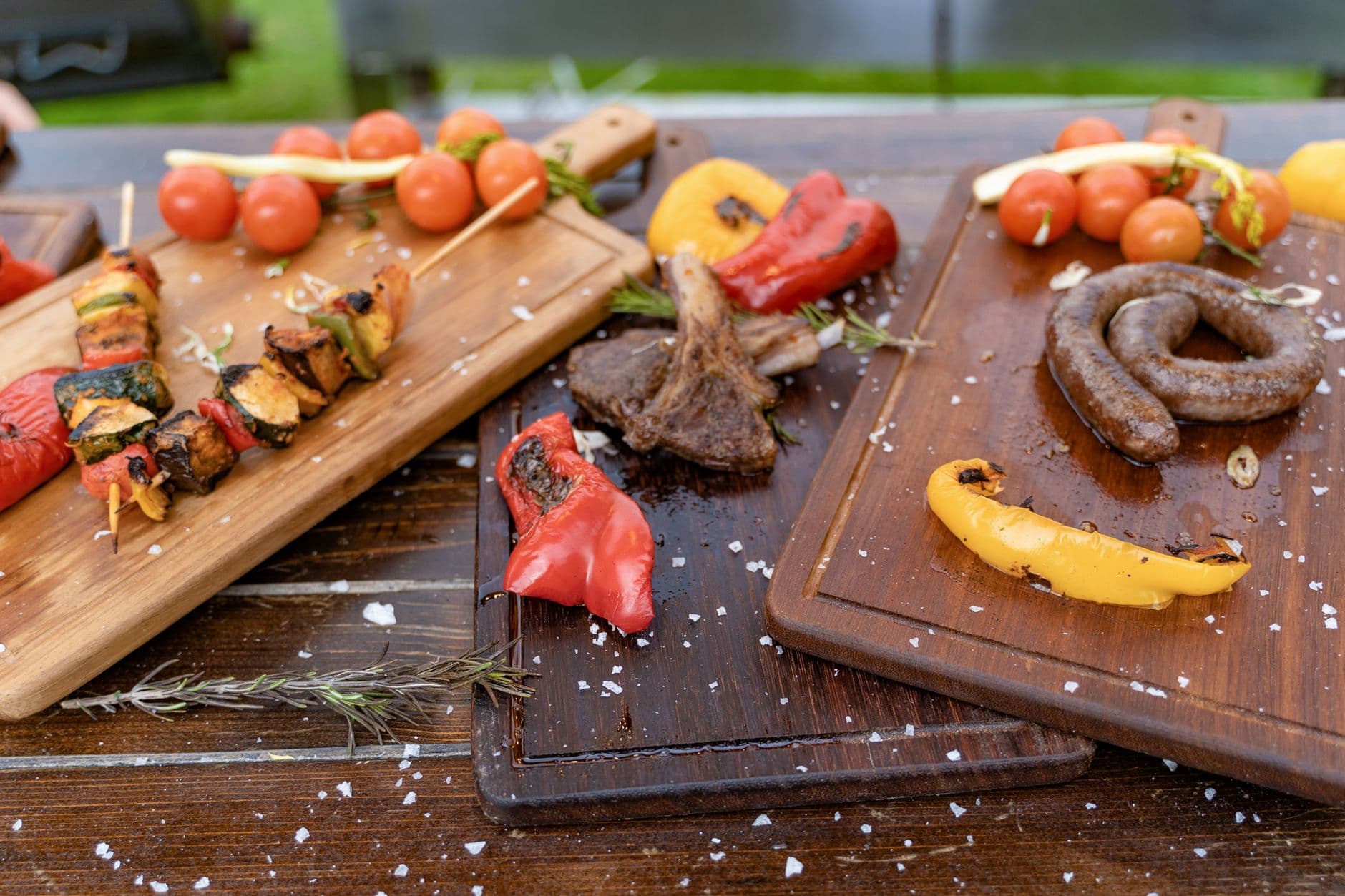
Choose by use
Medium edge-grain for everyday, end-grain for heavy chopping and knife care.
Maintain simply
Hand-wash, dry upright and oil with food-grade mineral oil regularly.
Keep foods separate
Use dedicated boards for raw proteins and ready-to-eat foods to reduce risk.
Why choose a wooden chopping board
We prefer wooden chopping boards for everyday kitchen work because they balance knife friendliness, longevity and a warm look on the counter. With the right timber and routine care, a wooden board can be a durable, repairable surface for slicing vegetables, carving roasted meat and general prep. Evidence from food-safety authorities shows that either wood or non-porous boards can be safe at home when cleaned and used correctly.
End-grain, edge-grain and face-grain - what to pick
There are three common constructions. End-grain boards (blocks made from short wood pieces) are gentler on knives and self-heal small cuts; edge-grain boards are stable and more affordable; face-grain or flat boards are light and often decorative. For regular home cooks who want longevity, an end-grain or thick edge-grain board is a sensible choice.
Size, weight and typical uses
- Small (25-30 cm): quick veg prep, bread, cheese.
- Medium (35-45 cm): everyday all-rounder for most households.
- Large (50 cm+): carving, large roasts and multi-task prep.
Think about counter space and storage: a large board is useful but heavier to lift and store. If you want a separate board for raw meat, choose a medium or small board that’s easy to clean and keep dedicated to proteins to reduce cross-contamination risk. Authorities recommend using separate boards for raw proteins and ready-to-eat foods.
What timbers are kitchen-safe
Hard, close-grained hardwoods such as maple, teak and some acacias are commonly used because they resist deep scoring and liquids. Food-safety codes accept hard maple or an equivalent closed-grain wood for cutting surfaces in many regulated settings, so choose a board made from recognised, solid hardwood rather than soft or composite woods.
Explore our wooden boards and compare sizes and finishes in the Kitchen & Dining collection.
Buying basics and price expectations
Expect a wide price range based on size, timber and construction: entry-level boards start around R150, solid hardwood edge-grain boards are commonly R350-R900, and handcrafted end-grain butcher blocks can be R1 200 or higher (estimates). Choose by intended use rather than only price - a well-made mid-range board will outlast a cheap, thin board and is often better value in the long run.
A short checklist before you buy
- Confirm timber type and whether the board is solid hardwood.
- Check thickness (18 mm+ for durability).
- Look for reversible surfaces or juice grooves if you roast or carve often.
- Consider a second, inexpensive plastic board for raw meat if you prefer low-maintenance options.
Care, cleaning and keeping boards hygienic
Wash wooden boards by hand with hot soapy water immediately after use, dry them upright, and avoid soaking or putting them in the dishwasher. If you cut raw meat on a board, wash thoroughly and consider a brief sanitise step for extra caution. Public guidance emphasises cleaning, separation and drying as the key steps to prevent cross-contamination in the home.
Oiling, sanding and restoring
Treat new and dry boards with a food-grade mineral oil or a beeswax/mineral oil blend every few weeks (or when wood looks dry). Light sanding removes deep grooves and restores a board’s surface - end-grain and thick edge-grain boards respond well to this. Use food-safe products only; avoid household oils that can go rancid. Practical tips from professional kitchen sources recommend periodic oiling to reduce moisture absorption and extend life.
Storage, safety and replacement signals
Store boards upright in a dry spot to encourage airflow. Replace a wooden board if deep, permanent grooves develop, if it cracks or warps, or if it becomes difficult to clean. For busy households, keep at least two boards (one for raw proteins, one for ready-to-eat foods) to reduce cross-contamination risk. South African food-safety communications reinforce these everyday practices for safer home cooking.
Choosing the right board for South African homes
If you cook for family meals and weekend braais, we recommend a medium-to-large end-grain or thick edge-grain board plus a small, easy-to-clean plastic board for raw meat. For small flats or weekly meal preppers, a medium reversible wooden board covers most tasks without taking up counter or storage space.
Ready to compare styles and prices? Browse tips and reviews in our editorial section at Kitchen & Dining articles, or shop a curated selection in Kitchen & Dining to find a board that fits your counter space and cooking habits.
We keep our selection focused on solid hardwoods, responsible sourcing where available, and clear product details so you know thickness, timber and care instructions before you buy. If you want help narrowing choices, start with a medium 35-45 cm edge-grain board for flexibility, or choose an end-grain block if you prioritise knife life and a tactile cutting surface.
Sources
- USDA Food Safety and Inspection Service - Cutting Boards and Food Safety. (Guidance on use and separation.)
- Food Standards Agency (UK) - Why cleaning is important. (Practical cleaning and separation advice.)
- FDA Food Code 2022 - Materials allowed for cutting boards. (Notes on acceptable hardwoods in food service.)
- National Institute for Communicable Diseases (NICD). (South African public health context for foodborne disease prevention.)
- Cutting board safety & sanitation - WebstaurantStore. (Practical maintenance notes used by professional kitchens.)

Performance Marketing Lead at Bash, with a background in marketing from UNISA and years spent driving paid search strategy at leading e-commerce brands like takealot.com, I focus on data-driven growth, Google Ads optimization, and scaling digital performance.
Disclaimer: This content is for educational purposes only. Product availability, pricing, and specifications are subject to change. Always verify current details on the retailer's website before making a purchase.