Salt and pepper pans: material and nonstick coating comparison for everyday South African kitchens
Compare stainless, hard-anodised and nonstick coatings for salt-and-pepper pans. Practical care, South Africa price ranges (R), and when to choose each.
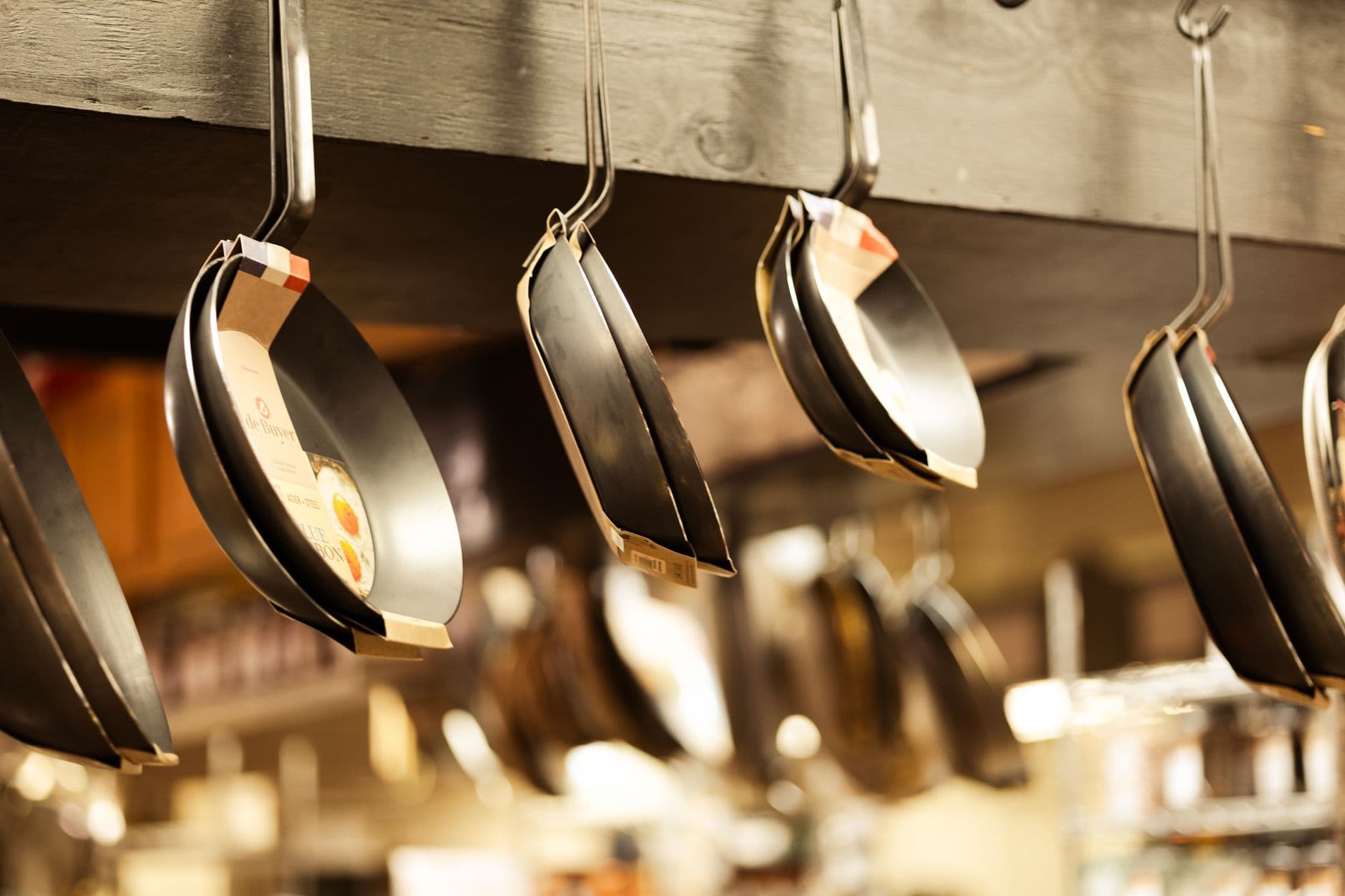
Material shapes performance
Stainless, aluminium and cast iron affect heat control, weight and searing ability.
Coating affects care
PTFE gives best release; ceramic looks clean but can wear faster.
Match pan to cooking
Keep one nonstick for quick food and one metal pan for searing and sauces.
Why material and coating matter for a salt-and-pepper pan
We use a salt-and-pepper pan for fast frying, finishing sauces, and crisping small batches - tasks that show their strengths and weaknesses quickly. The body material (steel, aluminium, cast iron, carbon steel) controls heat behaviour and durability; the cooking surface (bare metal, PTFE nonstick, ceramic, diamond-reinforced coatings) controls food release, cleaning and what temperatures we can safely use. Choosing the right combination helps us avoid burnt bits, reduce oil where we want, and keep cookware that lasts through everyday life on our kitchen counters.
Quick checklist before we compare
- How often will you use the pan? (daily vs occasional)
- Do you use metal utensils or only silicone/wood?
- Do you need induction compatibility or light weight for storage?
- Will you finish on the hob only, or also transfer to oven (and at what temp)?
At-a-glance comparison table
| Feature | Stainless steel / uncoated metal | Nonstick coated pans (PTFE or ceramic) |
|---|---|---|
| Heat response and sear | Excellent for high-heat searing; browns reliably when preheated. | Good for low-to-medium heat; avoids sticking but weaker at achieving deep brown crusts. |
| Maintenance and lifespan | Tolerates high heat and metal utensils; may need occasional polishing and careful deglazing. | Easier cleaning; PTFE can last years with care, ceramic wears faster. Lifespan varies by coating quality. |
| Typical price (South Africa) | R300-R1 800 depending on brand and gauge. | R250-R1 500; premium multi-layer coatings cost more. |
How to read this table for our kitchen
The table above compares the two broad approaches most shoppers face: bare metal pans used for high-heat finishing, and nonstick-coated pans designed to minimise sticking. Many salt-and-pepper styles sit between these poles (for example, hard-anodised aluminium with a thin release finish). We’ll unpack what those middle-ground options mean and when they make sense for South African kitchens.
Material fundamentals: what each pan body gives us
Material choice affects responsiveness, weight, and whether a pan works on induction. Here are the common bodies we see and why they matter in everyday cooking.
Stainless steel
Stainless steel is reliable, durable and tolerant of high heat. When we properly preheat and use enough oil, it gives the best browning for steaks, prawns and pan sauces. It’s heavier than aluminium but often lasts longer with normal care.
Hard-anodised aluminium
Hard-anodised aluminium heats evenly and stays relatively light. It’s a popular base for nonstick coatings and for pans that aim to combine good heat control with easier cleaning. Not always induction-compatible unless a disc is bonded into the base.
Cast iron and carbon steel
These excel at heat retention and develop a natural seasoning over time. For smaller salt-and-pepper pans we need to consider weight and care - they’re excellent for high-heat searing but need more upkeep (no long soaks; dry and oil after use).
Practical note: If you mostly cook eggs, pancakes or quick stir-fries, a good nonstick-coated pan reduces frustration. If you prefer to sear, deglaze and make pan sauces, a stainless or carbon-steel pan suits us better.
We link to a short selection of helpful topics as we explain finishes later: Cooking Utensils & Tools articles.
Coatings and finishes: what to expect from nonstick types
Coatings primarily control release and cleaning. The two common families are PTFE-based (often described as Teflon-style) and ceramic/reinforced mineral coatings. Each has practical trade-offs.
PTFE (polytetrafluoroethylene) nonstick
PTFE offers excellent food release and very easy cleaning at low-to-medium heat. Modern PTFE coatings are thicker and multi-layered; they last longest when we avoid overheating (no empty pan on high) and use soft utensils. For budget-conscious buyers, PTFE pans often give the most value per rand (R250-R900 for many lines).
Ceramic and mineral coatings
Ceramic coatings are marketed as a 'greener' option and tolerate slightly higher heat than older PTFE brands. They can be more fragile over time - we often see gradual loss of release after repeated heavy use. They’re a good compromise when we want a cleaner aesthetic and cook mostly at moderate temperatures.
Reinforced and hybrid coatings
Some pans pair hard-anodised bodies with reinforced PTFE (diamond, ceramic particles) for longer life and better scratch resistance. These cost more but are worth considering if we use metal utensils and want low-friction performance over several years.
Choosing for daily life: examples and use-cases
Here are three everyday scenarios and the pan types we’d recommend.
- Light weekday cooking (eggs, quick sauces): nonstick PTFE pan for effortless cleaning and minimal oil.
- Weekend sear & sauce: stainless steel or carbon steel pan to achieve a proper fond and better sauce flavour.
- Mixed use by a small household: hard-anodised body with a durable PTFE coating - balances sear ability with easy care.
Care tips that extend a pan’s life
- Match heat to the pan: nonstick at low-medium, stainless/carbon for high heat.
- Use the right utensils: silicone/wood for coated pans; metal is fine for stainless and cast iron.
- Clean gently: avoid abrasive scourers on coatings; deglaze stainless with stock or vinegar to lift stuck food.
Where to look on Bash and how to decide
We recommend starting at our Kitchen & Dining hub and narrowing to Cookware. Look for product descriptions that state the body material, the coating family, oven-safe temperature, and whether the base is induction-ready. Compare warranties and check what the brand says about safe utensils and maximum hob temperature.
A realistic budget guide (South Africa)
Expect to spend roughly R250-R700 for reliable coated salt-and-pepper pans from value brands, and R700-R1 800 for premium stainless or reinforced-coated options. Cast-iron or specialist carbon-steel skillets sit in the R400-R1 200 range depending on size and maker. Prices vary; check product pages for current offers.
Final thought - how we decide in our home
For everyday simplicity we often keep one mid-size nonstick pan and one stainless or carbon-steel pan on the counter. That combination covers quick breakfasts and more ambitious dinners without extra fuss. When buying, focus on honest product specs, a clear oven-safe temp, and whether the pan is induction-ready if you cook on an induction hob.
Explore cookware choices on the Bash Cookware page to compare models and read product details before you buy: Cookware. If you want help choosing between a stainless or nonstick option for your cooking habits, we’re happy to help - tell us what you cook most and we’ll make a practical suggestion.
Sources
- BBC Good Food - How to choose non-stick pans
- Consumer Reports - Cookware buying guide
- South African Food Safety resources

Performance Marketing Lead at Bash, with a background in marketing from UNISA and years spent driving paid search strategy at leading e-commerce brands like takealot.com, I focus on data-driven growth, Google Ads optimization, and scaling digital performance.
Disclaimer: This content is for educational purposes only. Product availability, pricing, and specifications are subject to change. Always verify current details on the retailer's website before making a purchase.