Choosing and Caring for Cuisine Pro pots: a practical South African guide
Practical South African advice on choosing, comparing and caring for Cuisine Pro pots - materials, buying tips, maintenance and local examples.
Right pot for your routine
Match material and weight to how you cook and how often you use it.
Simple care matters
Wash warm, dry straight away and avoid metal utensils on non-stick surfaces.
Buy what you use
Start with a stockpot and a medium saucepan, then add specialty pans as needed.
What Cuisine Pro pots are and who they suit
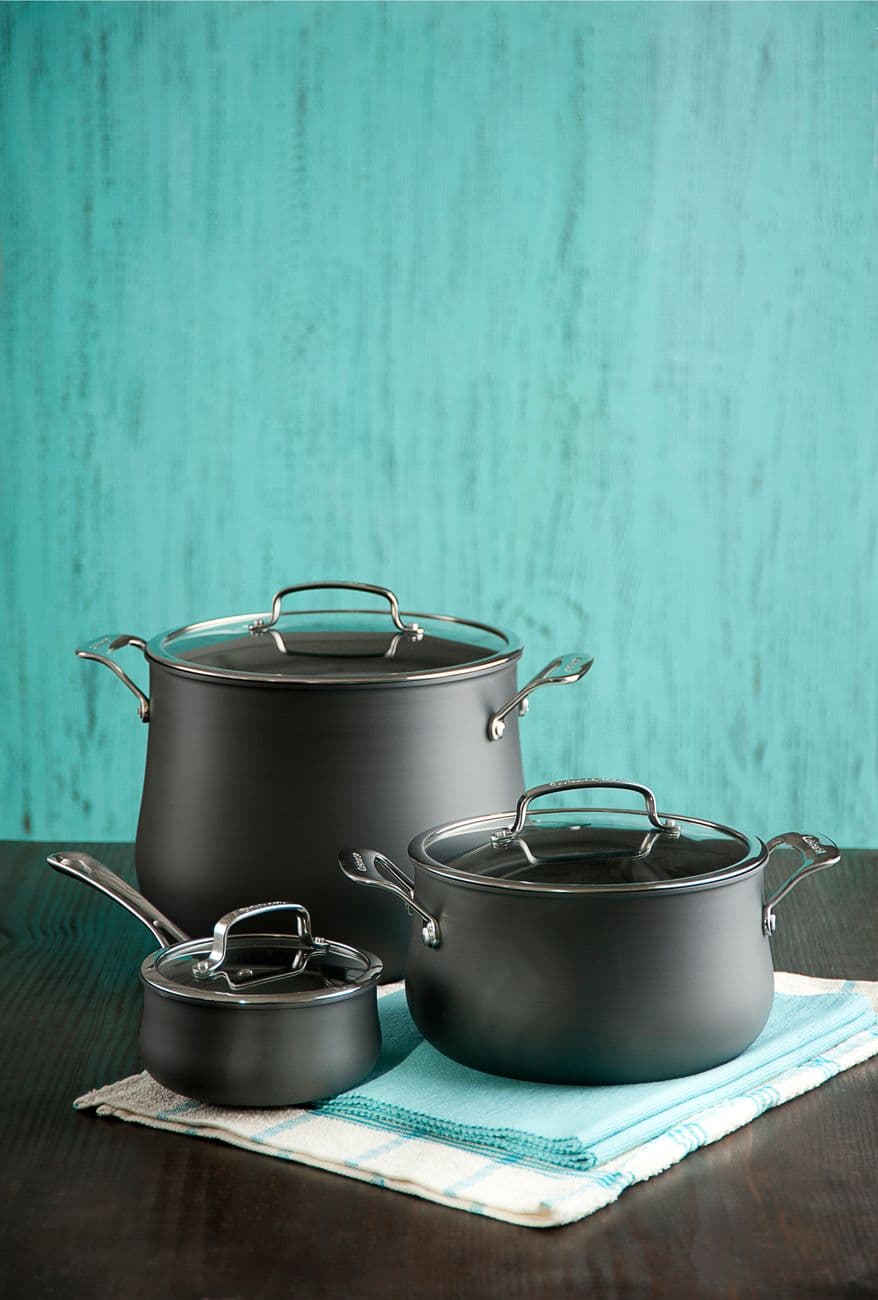
We use the name Cuisine Pro pots to describe a family of mid-range cookware designed for everyday home cooking - typically stainless-steel and non-stick lines sold as singles and sets. In South African kitchens they appeal to people who want reliable performance without the premium price of professional cast-iron or high-end enameled ranges. They work well for weekday stews, rice, sauces and quick braaiside sauces, and the right choice depends on the material, handle comfort and how you cook on your stovetop or countertop.
How we decide which pot to buy
- Match material to cooking style: stainless-steel for browning and acidic dishes; non-stick for low-fat frying and quick eggs; heavy-base aluminium for even heat on electric hobs.
- Check the base and lid fit: a warped base wastes energy and lids that don’t seal let steams escape.
- Think long-term: look for thicker bases and welded or riveted handles rather than thin pressed metal handles.
- Consider the set versus single pieces: it’s often cheaper to buy a reliable stockpot and a saucepan and add specialty pans later.
Quick comparison
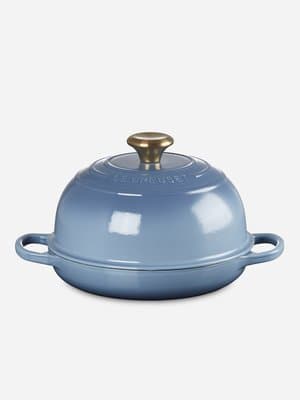
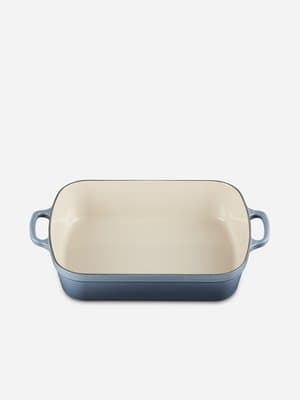
| Cuisine Pro pots (typical) | Le Creuset (mainstream alternative) |
|---|---|
| Material: stainless-steel or aluminium with non-stick options; practical for everyday use. | Material: enameled cast iron or premium stainless options; heavier and retains heat longer. |
| Typical use case: fast family meals, boiling, stewing and frying; lighter to handle. | Typical use case: slow-cooking, oven-to-table presentation and long simmers. |
| Form factor: lighter, often stackable; rims and lids vary by model. | Form factor: heavy, very durable; signature colourful enamel finishes. |
| Compatibility: works on gas and electric; some models are induction-ready. | Compatibility: most enameled cast-iron works on all hobs, including induction; oven-safe. |
| Price: estimate ranges from R350 for single pans to R1 800 for modest sets (estimates vary by seller). | Price: generally higher; entry-level enameled pieces typically start above R2 500 (estimates). |
| Maintenance: easier to handle; non-stick requires gentle care; stainless resists staining if dried promptly. | Maintenance: enameled surfaces are low-stick but must be treated to avoid chips; cast iron needs occasional seasoning if raw. |
Where Cuisine Pro pots make most sense in a South African home
For many of us juggling early-morning school runs, office days and a quick dinner, Cuisine Pro-style pots are a practical match: they heat quickly on gas or electric hobs commonly found in SA homes and are light enough to move when serving at the table. If mobility and simple care matter more than presentation or long oven roasting, these pots are sensible everyday tools.
If you want to browse similar cookware or add complementary items, check our Kitchen & Dining selection: Kitchen & Dining.
Consideration: if you regularly oven-finish stews or do long simmers for potjiekos-style cooking, balance the lighter Cuisine Pro convenience against the heat retention of heavier cookware.
Caring for Cuisine Pro pots - realistic steps that work
We recommend simple, repeatable routines: wash warm after use, avoid prolonged soaking for stainless pieces, and dry straight away to reduce water spotting. For non-stick interiors, use wooden or silicone utensils and avoid high-heat dry burning - that’s what shortens a coating’s life. If a base shows hot spots on an electric hob, rotate the pan occasionally while cooking or choose a flat-base model designed for your hob type.
Everyday maintenance checklist
- Wash with a soft sponge and mild detergent; avoid abrasive powders on polished stainless.
- De-grease lids and rims where food collects to keep seals tight.
- For stubborn discoloration on stainless, make a paste with baking soda and water and rub gently.
- Store with thin pan protectors or cloth between stacked pots to avoid scratches.
Practical examples from real kitchens
Example 1 - Small apartment cook: a 20cm stainless saucepan from a Cuisine Pro line is perfect for single-portion stews and heating soup-light to lift from hob to countertop and quick to clean after a weeknight meal. Example 2 - Family of four: a 24-28cm heavy-base pot for stews paired with a non-stick frying pan covers most daily menus; replacing small specialist pans keeps costs reasonable.
When shopping, look at what the set includes and what you already own. Often a good Cuisine Pro stockpot plus a medium saucepan is a better starting point than a large, mismatched 10-piece set.
Buying tips and what to ask in-store
- Ask if the model is induction-ready if you have or plan to get an induction hob.
- Check warranty terms and what is covered - handles, coating wear and manufacturing defects are the key points.
- Try the lid and handle in person where possible; a comfortable grip reduces slips when serving.
If you’d like a closer read on cookware types and practical buying advice, our Cookware articles go deeper into materials and care: Cookware articles.
How we think about value and lifespan
Value is not only price on the tag - it’s also ease of use, how often you reach for the pot, and replacement frequency. A mid-range Cuisine Pro saucepan used daily and cared for properly can serve reliably for several years; non-stick layers usually show wear sooner than solid stainless. If your cooking routine includes heavy oven temperatures, consider spending more on a model rated for oven temperatures.
Final thoughts and next steps
We find Cuisine Pro pots are a practical choice for many South African homes - they balance cost, weight and everyday performance. Start with the pieces you use most, maintain them with the simple steps above, and add speciality items later as your cooking needs evolve. Explore our wider Kitchen & Dining range when you’re ready to compare sizes, lids and compatible accessories.
Sources

Performance Marketing Lead at Bash, with a background in marketing from UNISA and years spent driving paid search strategy at leading e-commerce brands like takealot.com, I focus on data-driven growth, Google Ads optimization, and scaling digital performance.
Disclaimer: This content is for educational purposes only. Product availability, pricing, and specifications are subject to change. Always verify current details on the retailer's website before making a purchase.