
Winter bedding layers for cold South African nights - pick duvet tog, blanket, throw
A practical, South Africa-focused checklist to layer bedding for cold nights. Learn how to choose duvet tog, blankets and throws, plus care tips.
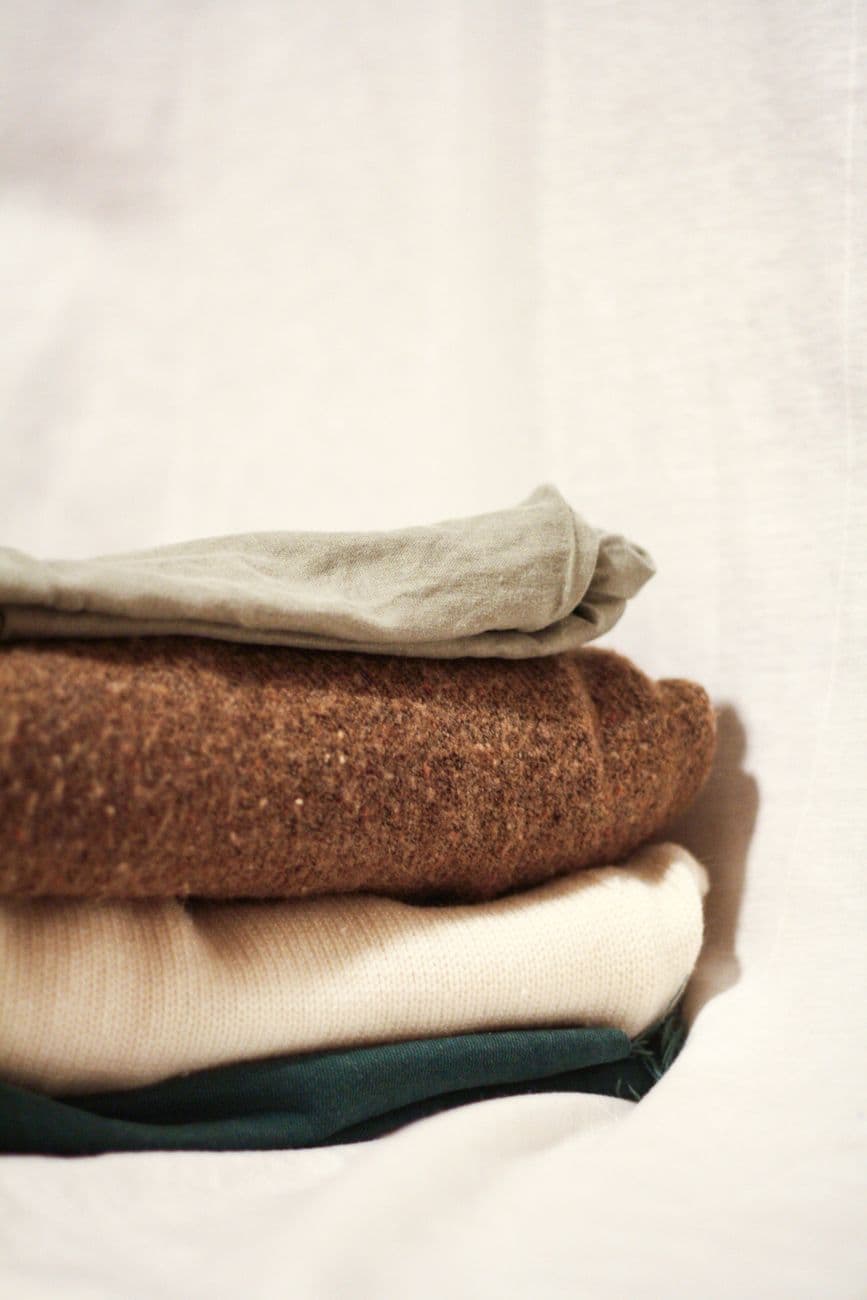
Layer to control warmth
Use a base, a mid insulating layer and a removable top throw for night-by-night control.
Pick tog to suit the room
Choose 7.5-9 tog for warmer rooms, 10-13.5 tog or layered duvets for colder bedrooms.
Care and cost practicalities
Wash covers regularly; expect duvets from about R300 and higher for premium fillings.
Why layering works for cold South African nights
We want warmth without sweating. Layering bedding lets us adjust heat through the night, handle fluctuating indoor temperatures, and keep care simple. Instead of one heavy blanket, a mix of a fitted base (mattress protector + base layer), a mid insulating layer (duvet or heavy blanket), and a top lightweight layer (throw or light blanket) gives better temperature control and longer product life.
Core components and their role
- Base layer: a fitted sheet and mattress protector - keeps the sleep surface clean and adds minimal insulation.
- Mid layer (duvet or heavy blanket): the main insulating component whose warmth is usually described in tog or fibre weight.
- Top layer (throw or lightweight blanket): easy to add or remove; good for restless sleepers or early-morning chills.
How tog, fibre and construction affect warmth
Tog is an easy shorthand for how much thermal resistance a duvet provides. Higher tog = more warmth. In South African winters we most often choose duvets between 7.5 tog and 13.5 tog depending on bedroom insulation and personal preference. Fibre and construction change that number in practice: natural down traps warm air efficiently at lower weight, while thicker synthetic fills deliver similar warmth at slightly higher bulk and are easier to wash.
A simple tog checklist
- Heated bedroom or thick insulation: 7.5-9 tog may be enough.
- Typical, unheated bedroom (common in many homes): 10-13.5 tog is a practical range.
- Very cold rooms or older houses with high ceilings: 13.5 tog or combine a 9 tog with a heavy blanket.
If you prefer modular control, choose two duvets (a lighter 4.5-7.5 tog and a mid 9-10.5 tog) and layer them as needed. This approach reduces washing frequency of the warmer piece and lets us fine-tune comfort as the season shifts.
Practical buying note
For people who want a quick place to start shopping for the insulating parts of a layered system, see our Blankets & Throws category for heavy blankets and throws and Duvet Inners & Pillows for duvet inners. Both pages help you compare materials and sizes as you assemble layers. Blankets & Throws
A step-by-step bedding layer checklist for cold nights
Use this checklist when you change bedding for winter. It focuses on performance, care, and everyday life in South Africa.
Step 1 - Base and protection
Start with a mattress protector (waterproof or breathable) and a tight fitted sheet in cotton or cotton-blend. A protector extends mattress life and helps keep heavier insulators cleaner so you wash them less often.
Step 2 - Choose your mid layer
Decide between a single higher-tog duvet or the modular duet option. If you pick a single duvet, aim for the tog range matched to your bedroom conditions. Expect mid-range duvets to start around R300-R800 for synthetic inners and R900+ for higher-quality down-filled options; local prices vary by brand and size and are presented as typical ranges.
Step 3 - Add a top throw for flexibility
A thick knitted throw or wool blanket gives warmth without the bulk of an extra duvet and is easy to fold at the foot of the bed. Throws also add a visual layer so beds feel inviting on chilly mornings. See the selection in Blankets & Throws for sizes and fibre types.
Step 4 - Consider pillow and head-end warmth
Pillows and a small extra cushion or microfibre throw near the head can stop drafts and keep your neck warm. For extra insulation, use a slightly heavier duvet fold at the head of the bed, or place a folded blanket under the duvet where your shoulders meet the mattress.
Care, ventilation and practical routines
- Wash duvet covers and throws on a regular rhythm - duvet inners less often; the Duvet Inners & Pillows hub explains typical care considerations.
- Air bedding on sunny days to remove moisture and refresh fibres.
- Use room heating sparingly with layers - a warm room plus a 9-10.5 tog duvet often feels more comfortable than an overheated room with heavy bedding.
Two example layer setups (realistic South African scenarios)
- Insulated townhouse, central heating sometimes on: 9 tog duvet + lightweight cotton throw (easy to remove) - breathable, low-wash frequency.
- Older family home, no heating: 13.5 tog duvet or 9 tog + heavy wool blanket + wool or chunky knitted throw at foot - prioritise layered control and durable fibres.
Where to start on Bash
If you need a single shopping stop for a layered system, start at Bed & Linen for fitted sheets and then visit Duvet Inners & Pillows and Blankets & Throws to build the mid and top layers.

Performance Marketing Lead at Bash, with a background in marketing from UNISA and years spent driving paid search strategy at leading e-commerce brands like takealot.com, I focus on data-driven growth, Google Ads optimization, and scaling digital performance.
Disclaimer: This content is for educational purposes only. Product availability, pricing, and specifications are subject to change. Always verify current details on the retailer's website before making a purchase.
Sources
- South African Weather Service
- Sleep Foundation - bedding and sleep temperature guidance
- US Department of Energy - heating and energy-saving tips


