
Bedding and Bath Comfort for Busy Homes - Allergy-friendly, Easy-care Choices
Smart, low-effort bedding and bath choices for busy South African homes - allergy-friendly picks, care routines and shopping tips to save time and ease symptoms.
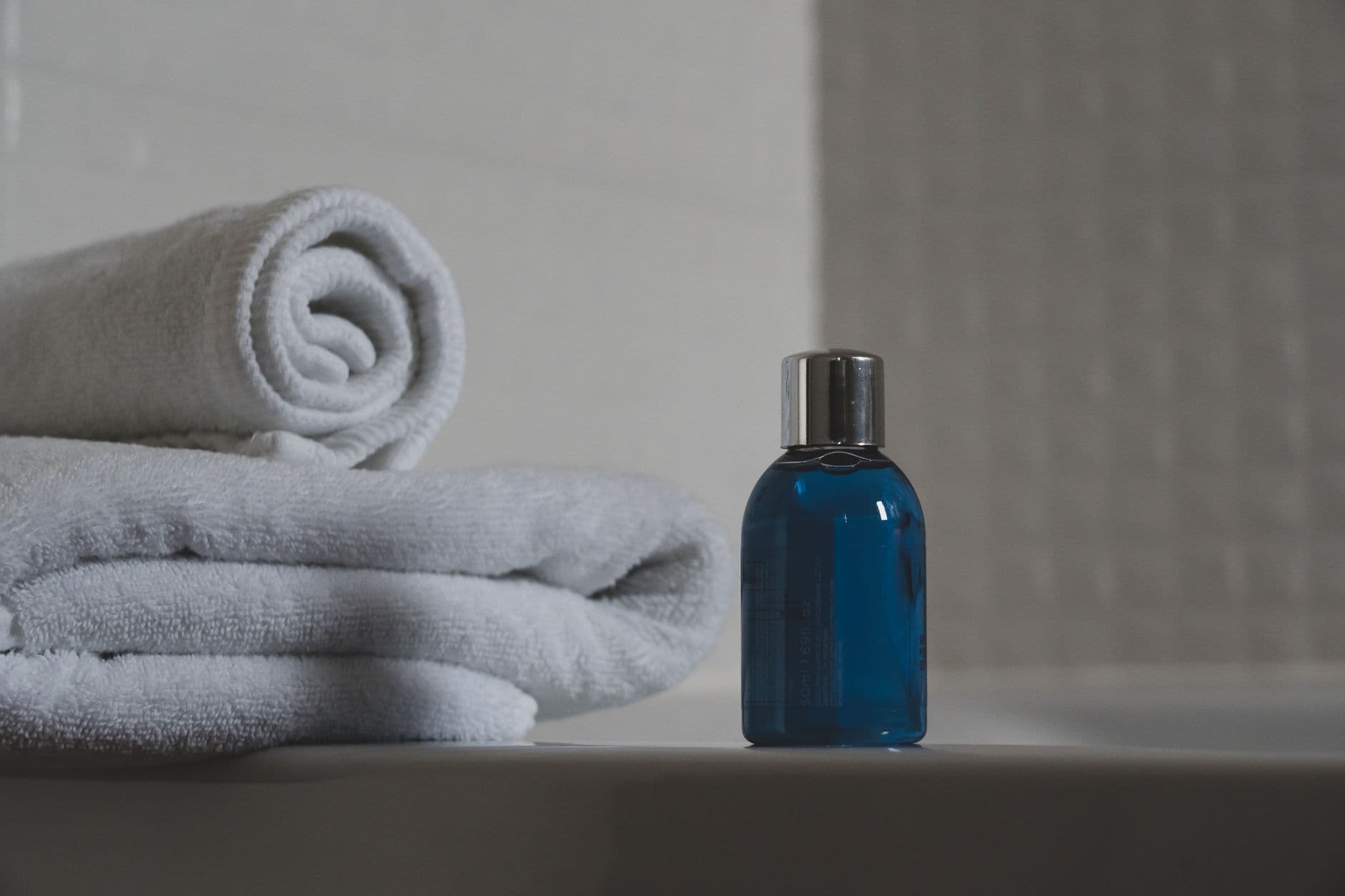
Choose washable essentials
Pick duvet covers, protectors and towels that tolerate hot washes and quick drying.
Use encasements sensibly
Fine-weave mattress and pillow covers reduce allergen exposure when combined with cleaning.
Adopt a simple rhythm
Weekly sheets plus regular drying and vacuuming keeps maintenance low and effective.
Why allergy-friendly, easy-care bedding matters for busy households
We know life is full - school runs, long workdays and evenings that need to be simple. For homes where someone has eczema, asthma or dust-mite allergy, small daily choices in bedding and bath linen make a big difference to comfort and time spent cleaning. Choosing items designed to be easy to wash, quick to dry and effective at reducing allergen exposure saves time and helps keep symptoms down.
Start with pieces you use every day: sheets, pillowcases, duvet covers and towels. Opt for durable finishes and fabrics that tolerate regular hot washing and fast drying so the routine remains manageable in a busy household. For shopping, we often point customers to our Bed & Bath to compare easy-care options in one place.
A simple priority checklist
- Choose washable covers (duvet covers, pillow protectors, mattress protectors).
- Prefer tightly woven fabrics or microfine encasements that block allergens.
- Buy pieces that tolerate 55-60°C washes where possible.
- Rotate and dry towels and bath mats frequently to prevent damp buildup.
What to look for in fabrics and fills
We favour choices that balance comfort and washability. Cotton percale and quality microfibre are good for everyday sheets because they’re breathable and often hold up to hotter washes. Synthetic fills (microfibre, hollowfibre) dry faster than down and can be gentler for allergy-sensitive households because they tolerate regular machine washing. Wherever possible, pick duvet covers and pillow protectors with full zip enclosures so the inner item stays protected and is simpler to launder.
For allergy control, mattress and pillow encasements with a very fine pore size reduce allergen passage; clinical studies show encasements can meaningfully reduce exposure when used alongside regular cleaning and wash routines.
Consideration: hot washing before you buy. If a product’s label prevents hot washing, it will add work or cost (professional cleaning) over time - not ideal for busy homes.
Practical picks we recommend for busy households
- Machine-washable duvet covers (look for strong zips and simple patterns that hide wear).
- Hypoallergenic pillow protectors and mattress protectors rated for 55-60°C washes.
- Quick-dry towel sets in plain colours you can rotate weekly.
- Easy-care throws and blankets that are labelled as machine-washable - saves time and avoids expensive dry-cleaning.
Buying guide note
Budget examples: a basic mattress protector for a single bed commonly starts around R300-R900 (estimate) depending on fabric and zipper quality; mid-range duvet covers that stand up to regular hot washing often fall in the R350-R1 200 band (estimate). Those ranges help plan replacement schedules without stretching the household budget.
Daily and weekly routines that actually save time and reduce allergens
Routine matters more than perfection. For homes with allergies, washing sheets and pillowcases weekly - and doing so at the warmest safe temperature for the fabric - breaks the dust-mite life cycle and reduces allergen load. Where fabric allows, washing at around 60°C is the most reliable way to kill dust mites; weekly washing plus encasements is a practical, evidence-based approach.
Laundry and care hacks for busy schedules
- Set one laundry day for bed linen; wash sheets, pillowcases and duvet covers together where machine capacity allows.
- Use a detergent that performs well at the recommended temperature - we find standard powders or liquids work fine when the temperature is high enough.
- Tumble dry on the hot setting where safe; full drying prevents mildew and shortens time between washes. If you must air-dry, do so in direct sun and finish in a warm tumble to ensure thorough drying.
- Vacuum mattresses periodically and air them by making the bed during the day; use a mattress protector to keep the mattress itself low-maintenance.
Bathroom textiles made easy
Towels and bath mats are small items that add up to big maintenance if neglected. Rotate two sets of towels per person so you can run a full load weekly. Choose quick-dry fibres and avoid dense loop piles that trap moisture; regular hot drying (or complete sun-drying followed by a short hot tumble) keeps bacteria and mould growth low. For shopping, see mattress and protector options alongside towels in our relevant sections: Mattress Protectors & Base Covers and Towels & Bath Mats.
Small changes that lower effort and cost
- Buy spare pillowcases and towel sets so you can swap quickly without extra laundry runs.
- Label a zipper bag for seasonal or guest bedding - keeps storage tidy and reduces the need for frequent washing of stored items.
- Where high-temperature washing isn’t suitable, use allergen-barrier encasements combined with more frequent laundering of surface items.
Putting it together: a two-week, low-effort plan
Week 1: wash sheets, pillowcases and towels; tumble dry thoroughly. Week 2: wash duvet covers and rotate throws; vacuum mattress and check encasements. Repeat - a simple rhythm keeps the home comfortable without daily heavy cleaning. Clinical and public-health guidance supports this cadence for dust-mite control and symptom management.
Sources
- Encasing bedding reduces exposure to house dust-mite allergens - PubMed Central
- House dust-mite allergy - NHS
- Why 60°C matters for killing dust mites - Tom's Guide
- Evaluation of encasement materials and pore size - J Allergy Clin Immunol (PubMed)
We’ve focused on practical, tested steps that fit busy South African homes: buy washable, tightly woven or microfine items where you can, use encasements for longer-term protection, and keep a simple laundry rhythm. If you’d like suggestions for specific fabric types or a compact shopping list for a single or double bed, we can tailor a short checklist you can use while browsing the Bed & Linen.

Performance Marketing Lead at Bash, with a background in marketing from UNISA and years spent driving paid search strategy at leading e-commerce brands like takealot.com, I focus on data-driven growth, Google Ads optimization, and scaling digital performance.
Disclaimer: This content is for educational purposes only. Product availability, pricing, and specifications are subject to change. Always verify current details on the retailer's website before making a purchase.


