Serving platters for holiday hosting and special-occasion table styling
Practical advice for choosing, arranging and caring for serving platters for holidays and special occasions - material choices, sizing, styling templates and care.
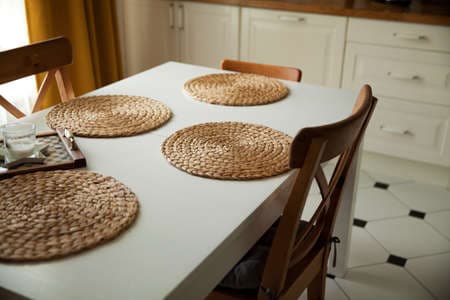
Match platter to role
Choose oven-friendly ceramic for hot mains and wooden or slate for grazing and bread.
Size by guest count
Small 2-4, medium 4-6, large 6-10 - size up for buffet-style service.
Style with ease
Use one hero platter plus 2-3 smaller pieces to create a composed holiday table.
Why the right serving platter changes a special meal
When we plan a holiday or special meal, the food is of course at the centre - but the serving platter we choose helps shape how guests move around the table, what they reach for first, and the overall mood. Platters are both functional tools and styling pieces: a single well-chosen platter can lift a roast, a dessert, or a shared starter into a composed moment. Here we focus on platters (not trays) and on practical choices for hosting: how to match size and shape to the dish, which materials behave well in a South African kitchen, and simple styling patterns for holiday tables.
How we think about platter roles
- Main-course carriers - for roast joints, whole fish or a layered salad.
- Sharing starters - antipasti, sambals, pickles and small bites arranged for grazing.
- Designated dessert or cake platters - single-level presentation for sliced cakes, tarts or petits fours.
- Utility platters - for breads, warm rolls or side dishes moved between kitchen and dining counter(s).
Comparing two platter approaches for hosting
Below is a short comparative table that helps pick between two common platter styles we recommend for holiday hosting: classic glazed ceramic (timeless and oven-friendly) and wood/slate hosting platters (textural, great for grazing). Use the comparison to decide which one belongs on your holiday table first.
| Feature | Classic ceramic/porcelain platter | Wood or slate hosting platter |
|---|---|---|
| Material & look | Gloss finish, crisp colours; suits plated mains and sauced dishes. | Warm, rustic texture; ideal for charcuterie, breads and cheeses. |
| Heat & oven use | Often oven-safe (check manufacturer); good for hot roasts straight from oven. | Not oven-safe; keep hot items on separate heat-proof plates or parchment. |
| Price & care (approx.) | R250-R1 200 depending on maker; dishwasher-safe on many models. | R150-R900; hand wash, oil occasionally for longevity. |
When to choose each
Pick ceramic when you need to move hot food from oven to table, or when sauces and juices matter. Choose wood or slate when you want a relaxed grazing station that encourages conversation and visiting plates across the table. For many holiday hosts, having one of each style covers most scenarios.
Sizing smart: how many guests per platter
Size planning keeps service smooth. We use these quick rules of thumb when setting up a holiday spread:
- Small platter (25-30 cm): serves 2-4 as a starter or dessert plate.
- Medium platter (30-40 cm): serves 4-6 comfortably for sides or smaller mains.
- Large platter (40-55 cm): serves 6-10 for carved mains or big shared salads.
If you expect hearty appetites or buffet-style service, size up. A common mistake is crowding a platter - leave breathing space so the food reads as composed.
Quick material checklist
- Ceramic/porcelain: versatile; many are oven-safe - check labels.
- Stoneware: heavy and chip-resistant; great for retaining heat.
- Tempered glass: sleek and dishwasher-safe but shows marks.
- Wood: beautiful for grazing but needs hand care and occasional oiling.
- Marble/slate: cool surface for cheeses; use food-safe sealants and avoid acidic juices.
We keep at least one oven-friendly platter in our hosting kit and one textural wooden or slate option for grazes. If you want to browse or replace platters, start with the Bash Serveware selection for styles and sizes that suit both everyday and festive use.
Styling platters for a holiday table (simple templates)
We use a few repeatable layouts that make styling faster and more consistent across different menus. These templates work whether you’re setting a formal sit-down lunch or a relaxed braai-side feast.
1. The centred hero
Place the main platter centrally on the dining table, slightly offset so guests can reach from both sides. Add two smaller platters for sides at right and left. Leave carving tools beside the main platter and a small bowl for scraps or bones out of sight but within reach.
2. The grazing sweep
For starters and shared plates, arrange 2-3 platters along the centre of a longer table or on a nearby counter(s). Start with the largest platter for cheese or cold cuts, then layer smaller wooden boards with accompaniments (dried fruit, nuts, chutney). A few ramekins for olives and pickles keep liquids contained.
If you want inspiration on broader serverware choices that complement platters, see our feature on Serverware guide for South Africa: choosing serveware that works for home and gatherings.
Practical tips for holiday service
- Pre-warm ceramic platters briefly in a low oven for hot mains (when oven-safe) so food stays warmer longer.
- Use linen or paper underlays for wooden platters to absorb oil and prevent staining.
- Label allergenic ingredients discreetly when sharing dishes with many guests.
- Keep a small set of extra platters on the counter(s) for quick swaps - saves time during service.
Caring for your platters after the event
Cleaning and storage extend the life of platters. Hand-wash wooden pieces and reapply a food-grade oil every few months. For stone and ceramic, follow manufacturer care labels; many withstand gentle dishwasher cycles, but avoid thermal shock (don’t move a hot platter straight into cold water).
Where we fit platters into a Bash hosting kit
A small, intentional kit keeps holiday hosting less frantic: one large oven-safe platter, one wooden or slate grazing board, two medium serving platters for sides, and a set of small ramekins. If you’re updating your kit, browse our Dinnerware and Vases collections to coordinate table colours and centrepieces.
Final thought
We design our recommendations around real hosting moments: a small family festive dinner, a neighbourhood potluck, or a formal holiday roast. Choosing two complementary platter styles - one practical and oven-friendly, one textural for grazing - covers most occasions and keeps the table styling simple and effective.
If you’re unsure where to start, pick a medium oven-safe ceramic platter plus a wooden serving board. They work together across most menus and make the first few times you host feel much easier.
Ready to shop? Browse Serveware to find the right option for you.

Performance Marketing Lead at Bash, with a background in marketing from UNISA and years spent driving paid search strategy at leading e-commerce brands like takealot.com, I focus on data-driven growth, Google Ads optimization, and scaling digital performance.
Disclaimer: This content is for educational purposes only. Product availability, pricing, and specifications are subject to change. Always verify current details on the retailer's website before making a purchase.
Sources
- FoodSafety.gov - Food safety basics
- BBC Good Food - How to assemble a cheese board
- StillTasty - Food storage and serving guidance