Cheese board set: choose the right one for home entertaining
Our practical guide to choosing a cheese-board set for South African homes-materials, sizing, care and shopping tips to match your hosting style.
Pick the right material
Wood for warmth and knives; stone for chilled presentation and modern looks.
Match size to guests
Small boards for 2-4, 40-45 cm rounds for 6-8 people.
Check tools and storage
Three to five purposeful tools with neat storage make daily life easier.
Why a dedicated cheese-board set matters
A cheese-board set is more than a pretty platter. When we choose one with thought-material, size, included tools and storage-we make serving simpler, keep flavours clean, and save counter space in daily life. For many South African households a board is used for sundowner gatherings, weekend braai sides, or quick weekday lunches; that variety means we favour sets that are flexible, easy to clean and store, and durable enough for repeated use.
What we look for first
- Material: how it affects flavour transfer and maintenance.
- Size and shape: does it fit our counter(s) and the number of guests we usually host?
- Included tools: knives, spreaders, picks and where they store.
- Care and longevity: can it go near heat, in the dishwasher, or will it need special oiling?
Quick guide table: board styles compared
| Feature | Wood board sets (e.g., acacia) | Stone/Slate board sets |
|---|---|---|
| Typical use | Warm, casual platters; good for soft and semi-hard cheeses. | Contemporary look; great for hard cheeses and chilled presentation. |
| Care | Hand-wash, oil occasionally; avoid soaking. | Hand-wash; heavier; may require food-safe sealant for cutting marks. |
| Price band (estimate) | R200-R900 depending on wood and extras. | R300-R1 200 depending on stone type and tooling. |
How size and shape change the set we buy
When we picture a cheese board at home, we think about our usual guest count. A small rectangular board (30-35 cm) is perfect for two to four people; a round board between 40-45 cm suits six to eight guests. If our counter(s) are narrow, consider an elongated board that fits alongside drinks. Also check included storage-many sets have a wooden box for knives which helps keep the counter tidy when we’re not entertaining.
Tools and extras that actually matter
- Knife variety: look for a hard-cheese knife, soft-cheese spreader and a narrow knife for semi-soft cheeses.
- Picks and labels: useful for hygiene and helping guests identify stronger cheeses.
- Hidden drawer or built-in grooves: neat storage saves a cupboard opening when serving.
We find sets with three to five purposeful tools are more useful than larger toolkits with duplicates. Every extra item should earn its place.
If you want to browse designs and sizes, our Serveware articles page has curated category picks to match different hosting styles and spaces. Serveware articles
Material deep-dive: pros and trade-offs
Choice of material shapes long-term enjoyment. Wood is warm and forgiving on knife edges; stone gives a modern, cool surface and can be chilled for cheese that benefits from staying cool. Bamboo is lightweight and sustainable, but softer than hardwoods. Composite boards offer durability but sometimes lack the character of natural materials. We prefer boards where the manufacturer lists care instructions and whether the finish is food-safe.
Local climate and care
South African seasons matter: during the dry winter months, hardwood boards may need oiling more often to avoid small cracks. In coastal homes, stone can be a better option because it’s less affected by humidity changes. Wherever you live, avoid prolonged sun on wooden boards and never put genuine wood in the dishwasher.
When a board doubles as a cutting surface
If you plan to use the board for chopping, choose thicker hardwood with food-grade oil finish. Thinner display boards are better reserved for serving-repeated chopping will leave grooves that trap crumbs and bacteria over time.
For shoppers ready to act, our Kitchen & Dining hub shows matching utensils and smallwares that pair well with board sets. Kitchen & Dining
Choosing for the South African table: pairings and portioning
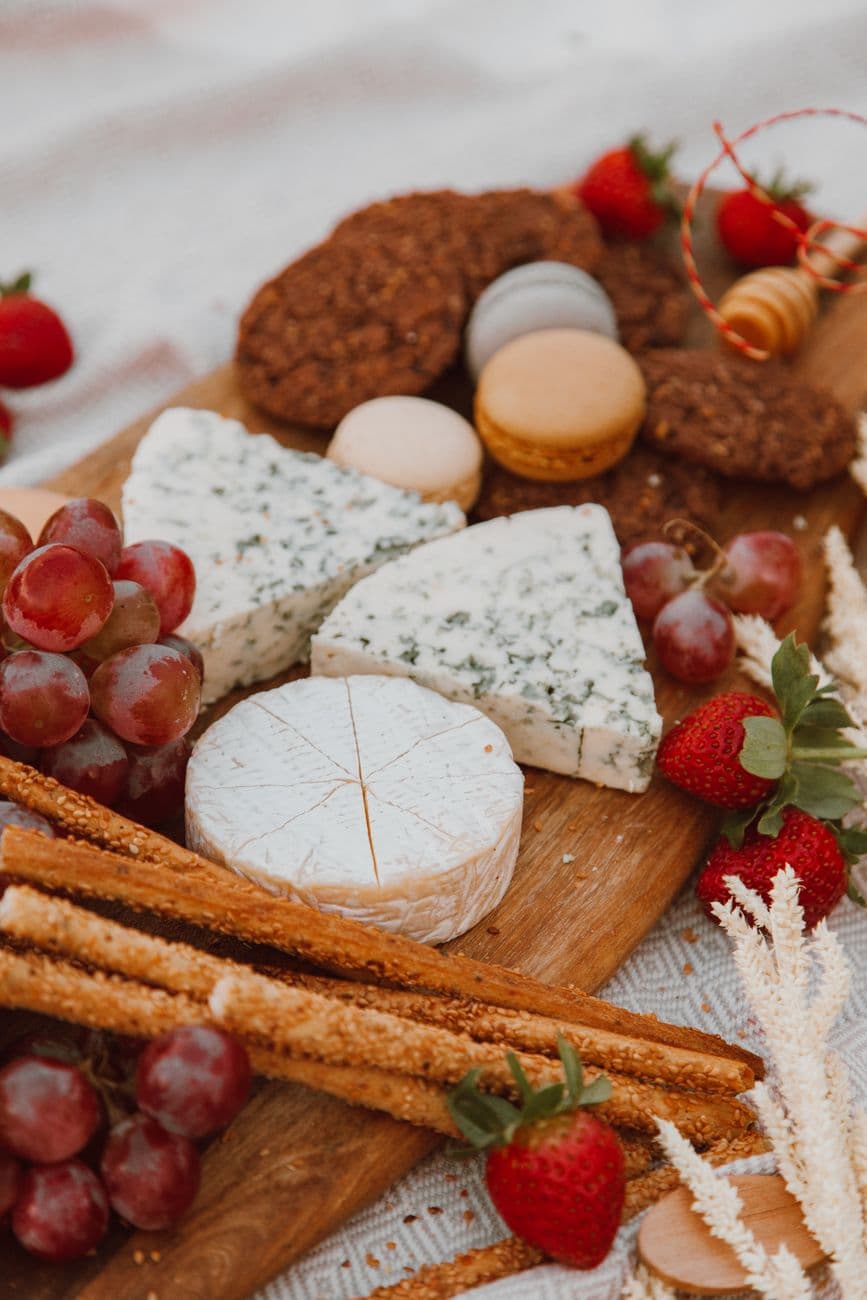
A well-planned cheese board reflects local tastes. We often pair a firmer matured cheddar with a soft brie, add biltong-style cured meats or droëwors slices, seasonal fruit (figs in summer, pears in cooler months) and a small pile of nuts. For portioning, budget about 75-100 g of cheese per person if it’s the main snack; reduce to 40-60 g if served with a main meal or as part of a larger spread.
Assembly order that keeps things tidy
- Place larger cheeses first, then meats, then small bowls (for olives/honey), and finally crackers and fruit to fill gaps.
- Use small knives per cheese to avoid cross-flavour transfer and label stronger cheeses.
- Bring soft cheeses to room temperature for 20-30 minutes before serving for best flavour.
Practical storage and price expectations
Expect a basic wooden set with a single board and three tools to start around R200-R350. Mid-range sets with hardwood, a drawer and four to five tools commonly sit in the R400-R900 window. Premium stone or designer sets with branded tools can reach R1 200 or more. These are estimates; check product pages for exact pricing and inclusions. If storage space is tight, pick a vertical or stackable set that can stand upright in a cupboard.
Sustainability and sourcing
We prefer boards made from responsibly sourced timber (look for FSC or clear origin statements) or from rapidly renewable bamboo. Stone and slate have a longer lifecycle but are heavier to transport. Choosing durable materials reduces replacement frequency-good for wallets and the planet.
How we test and recommend sets
When we evaluate a cheese-board set for inclusion in our selection, we handle it for weight, check tool fit and storage, test surface stability while cutting, and follow care instructions for several weeks to watch for wear. We also test how well a board presents different cheese textures and how easy it is to clean after sticky or oily foods. Based on those checks we recommend keeping a board for everyday use (mid-weight hardwood) and a second, more decorative stone or slate board for chilled presentation when entertaining.
Where to start on Bash
Start by browsing our Serveware articles for sets that match your hosting style. If you already know you want a hardwood set, look through the Kitchen & Dining category for matching utensils and care oils. Serveware articles and Kitchen & Dining are good places to compare options and see what’s in stock.
Final practical checklist before buying
- Measure your counter(s) and planned serving area.
- Decide which material you’ll care for easily given local climate.
- Check the tool list-fewer, high-quality knives beat many low-quality tools.
- Confirm storage and whether the set fits your cupboards.
With this approach we make choices that match how we live and host-practical, locally appropriate, and long-lasting. Explore our curated Serveware picks to find a cheese-board set that suits your table.
Sources
- Food24 - South African recipes and hosting tips
- BBC Good Food - how to build a cheese board
- The Spruce Eats - cheese board materials and care
Ready to shop? Browse Serveware to find the right option for you.

Performance Marketing Lead at Bash, with a background in marketing from UNISA and years spent driving paid search strategy at leading e-commerce brands like takealot.com, I focus on data-driven growth, Google Ads optimization, and scaling digital performance.
Disclaimer: This content is for educational purposes only. Product availability, pricing, and specifications are subject to change. Always verify current details on the retailer's website before making a purchase.