Serving bowls: sizes and shapes explained by course and cuisine
Learn how serving bowl sizes and shapes fit different courses and cuisines - practical South African examples, material advice and shopping links to Bash Serveware.
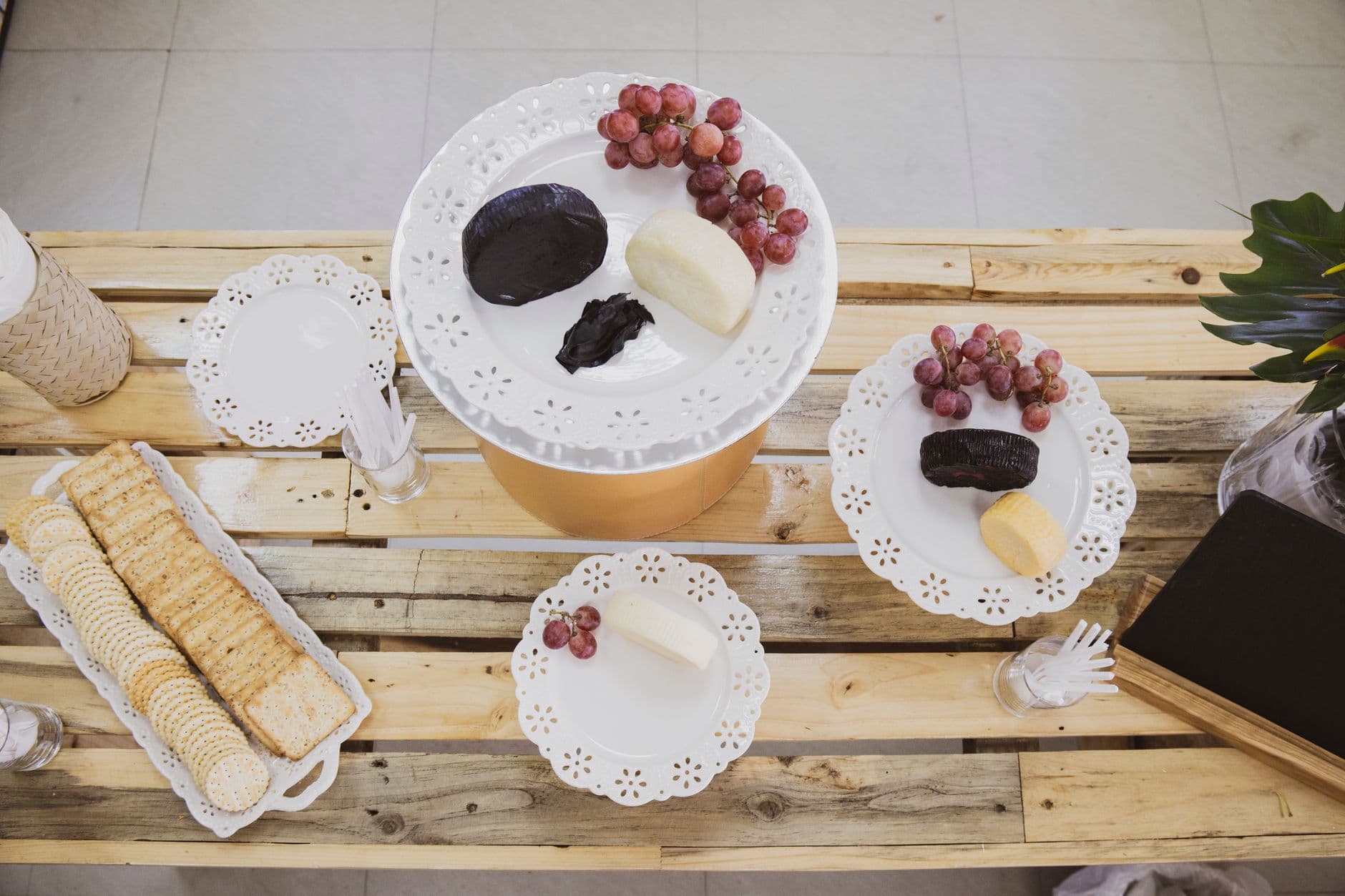
Match shape to dish
Deep bowls for stews and broths; wide, shallow bowls for salads and composed plates.
Two sizes cover most needs
One 1.5-2 L deep bowl and one 3-4 L wide bowl handle everyday and hosting duties.
Pick material by use
Stoneware for oven-to-table warmth, stainless for outdoor durability, melamine for kids.
How we think about serving bowls
We look at serving bowls the way cooks do: as tools that shape portion, presentation and how food travels from countertop to plate. Different courses and cuisines ask for different bowl behaviours-deep walls for stews, wide rims for composed salads, lightweight bowls for casual family meals. This piece explains those differences and gives practical South African examples so you can choose bowls that match how you cook and host.
Quick rules of thumb
- Match depth to liquidity: deeper = better for broths and saucy dishes.
- Match diameter to composition: wider = easier for tossing salads and building bowls.
- Think capacity by course, not just by guest count: sides need less volume than mains shared from a central bowl.
Serving bowl sizes by course (practical ranges)
| Course / Use | Typical capacity | Why it works |
|---|---|---|
| Individual soup or ramen | 350-700 ml | Deep, heat-retaining bowl keeps broth hot and prevents spillage. |
| Shared salad or vegetables | 2-4 L | Wide, shallow form allows easy tossing and serving for 4-6 people. |
| Family-style stew / curry | 1.5-3 L | Deep with sturdy walls for ladling and heat retention when placed on the table. |
How we use these ranges at home
On weeknights we prefer a 1-1.5 L medium bowl for quick salads and a 1.5-2 L shallow bowl for roast veg. For weekend braais or larger gatherings, a 3-4 L wide bowl is our go-to for big green salads or pap with a sauce. If you like to keep a compact, versatile set on the countertop, choose two sizes: one deep 1.5-2 L and one wide 3 L bowl. For shopping options and to compare styles, see our Serveware category Serveware.
Shapes and the cuisines they suit
Shape changes how food behaves in the bowl. Below are reliable pairings by cuisine and common South African dishes.
Deep, rounded bowls
Best for stews, curries and braai-side chakalaka with sauce. The rounded walls make ladling easier and hold heat well-use these for potjiekos-style stews or hearty curries served family-style.
Wide, shallow bowls
Ideal for dressed salads, coleslaw and composed bowls (grain bowls or meal-prep bowls). The broad surface makes tossing and presenting ingredients simple. If you often serve salads at weekend lunch, a 3-4 L shallow bowl keeps leaves crisp while you plate.
Small nesting bowls
Use 300-600 ml nesting bowls for condiments, chutneys, nuts and small sides. They’re handy on the table for sambals, dressings and pickles. We keep a set close to the countertop so plating is faster.
For inspiration on matching dinnerware to serving pieces, check our Dinnerware category Dinnerware.
Materials: how they affect service
Material choice affects weight, heat retention, durability and how a dish looks on the table. We prefer these practical options for South African kitchens:
- Stoneware: warm look, good heat retention; suitable for oven-to-table serving.
- Porcelain: refined finish, lightweight; great for formal or everyday dining where chipping is rarer with careful use.
- Stainless steel: lightweight and durable; useful for outdoor braais or heavy use but less photogenic for a plated table.
- Melamine / BPA-free plastics: inexpensive and unbreakable for kids or outdoor use, avoid for very hot liquids.
Choosing finishes and features
Matte glazes hide wear and are forgiving; glossy finishes show sauces and make colours pop. Look for oven-safe markings if you want to reheat in the same bowl, and for dishwasher-safe labels if you prefer low-effort clean-up. For a durable everyday set that still looks considered, we often choose stoneware pieces that are oven-proof and dishwasher-safe.
How many bowls do we need?
A practical starter kit for a small household (2-4 people): one 3-4 L wide serving bowl, one 1.5-2 L deep serving bowl, and a set of 4 nesting 300-500 ml condiment bowls. For larger homes or frequent hosts, add a second large bowl and a pair of medium bowls so you can serve two mains or a salad and two sides without running to the kitchen between courses. If you’d like to browse curated selections, see our Serveware and Serveware styling tips in this Serverware guide Serverware guide for South Africa: choosing serveware that works for home and gatherings.
Budgeting and local price notes
Prices vary by material and brand. Expect to pay roughly R150-R450 for a single mid-size stoneware serving bowl, and R300-R900 for larger branded or oven-proof pieces. Sets (three to five pieces) can sit between R450 and R2 000 depending on brand and finish. These are estimate ranges-use them as a planning guide when you shop.
Practical tips from our experience
- Keep two shapes: one deep and one wide. They cover most courses and cuisines.
- Store bowls nested by size to save counter and cabinet space.
- Label ovenproof items on the underside with a small sticker at purchase time so you know what can go straight from oven to table.
- For braais and outdoor meals, favour stainless or heavy-duty melamine to avoid breakages.
Putting it together: a simple selection plan
Decide first how you use your countertop and table most weeks. If you mainly cook one-pot meals and stews, prioritise a good deep 1.5-3 L stoneware bowl plus two small condiment bowls. If salads and composed bowls are regular, invest in a 3-4 L wide bowl and a sturdy set of salad servers. When you’re ready to shop, our Kitchen & Dining hub helps you compare materials and sizes across brands.
Sources
- South African Government - Food Safety and Hygiene
- BBC Good Food - Choosing Tableware
- National Department of Health (South Africa) - Food Handling Guidance
We hope this helps you choose serving bowls that match the food you cook and the way you host. Small choices-shape, size, material-make serving easier and create a calmer table for everyone.
Ready to shop? Browse Serveware to find the right option for you.

Performance Marketing Lead at Bash, with a background in marketing from UNISA and years spent driving paid search strategy at leading e-commerce brands like takealot.com, I focus on data-driven growth, Google Ads optimization, and scaling digital performance.
Disclaimer: This content is for educational purposes only. Product availability, pricing, and specifications are subject to change. Always verify current details on the retailer's website before making a purchase.