Dinner set: Compare materials, sizes and price ranges to pick the right set
Compare dinner set materials, piece counts and price ranges so we choose the right set for our home, storage and how often we entertain.
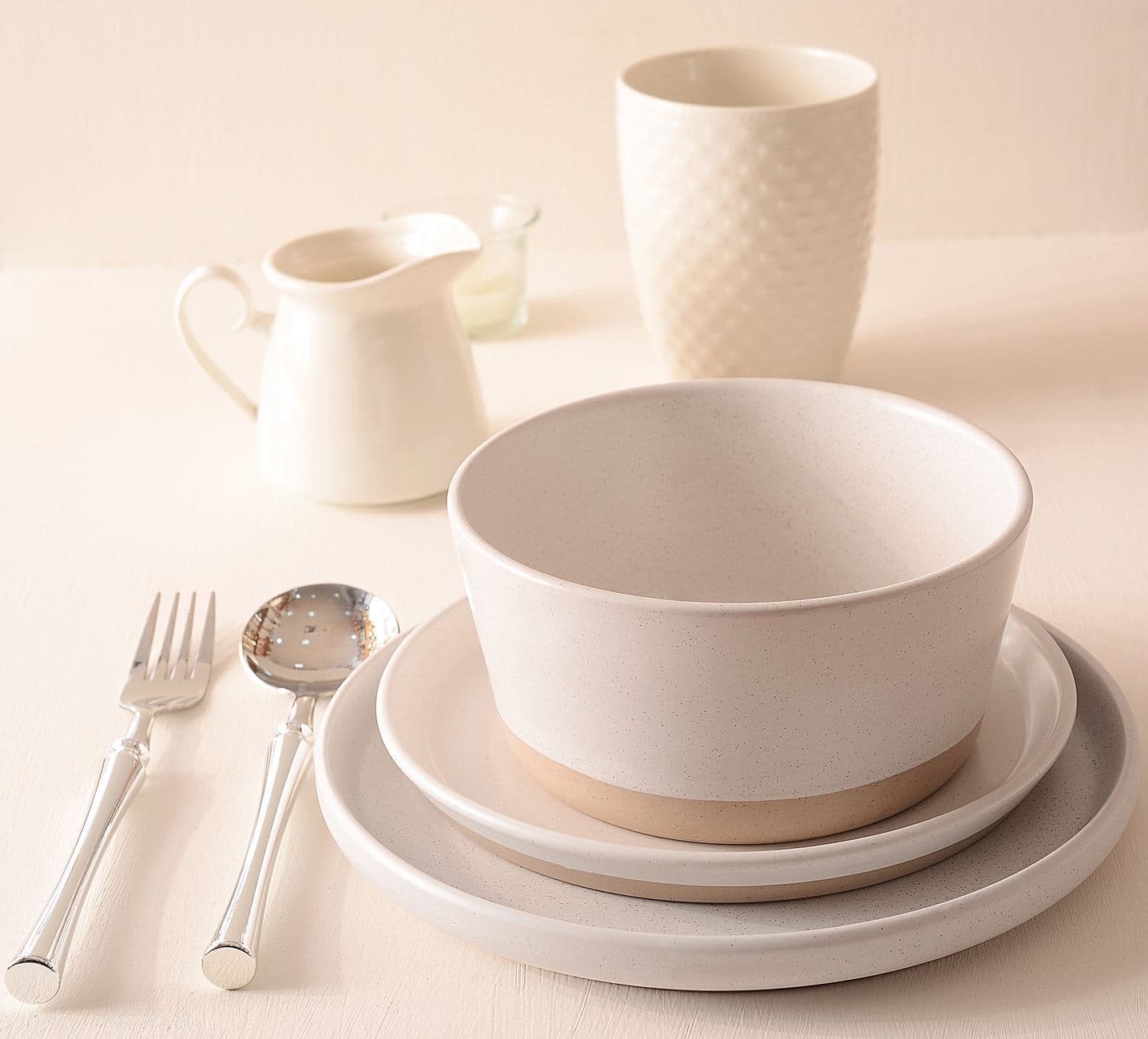
Material first
Choose ceramic, bone china, glass or melamine based on durability and use.
Match size to life
Pick piece counts and plate diameters that fit family size and cupboard space.
Shop by price band
Budget, mid-range and premium bands guide expectations for care and longevity.
Why choosing the right dinner set matters
A dinner set is one of the smallest big purchases we make for the home: it’s used every day, saved for special company, and sits on our counter(s) between meals. Rather than focus only on looks, we compare three things that determine how useful a set will be for us: material, the number and sizes of pieces, and the price band. When these three match our cooking habits and family size, a set works well for years.
Material matters first
Material determines durability, weight, microwave/oven safety, and how the set looks on the table. We think of material as a long-term choice - it affects how often plates chip, whether they stain, and how heavy they are to handle when drying or storing.
- Ceramic (stoneware/porcelain) - Versatile and widely available. Porcelain is typically lighter and more refined; stoneware feels more rustic and forgiving of small knocks. Good for everyday use and most ovens; price ranges vary widely from R350 to R2 500 depending on brand and finish.
- Earthenware - Thicker, heavier and often colourful. Better for casual tables; not always microwave-safe in lower-quality pieces. Expect lower entry prices but a higher long-term risk of chipping.
- Bone china - Thin, slightly translucent, and more expensive. It resists chipping when well made and looks elegant for entertaining. Price typically starts around R1 200 for entry sets.
- Glass - Toughened glass sets (like tempered glass) are modern and stack neatly; avoid if we want a very warm, tactile table. Heat-resistance varies - check labels.
- Melamine & heavy-duty plastic - Lightweight, inexpensive, and ideal for outdoor dining, children or braais. Not for use in ovens or direct heat. Affordable sets often start below R300.
How many pieces and what sizes do we need?
Dinner set packaging can be confusing: sets are sold in piece counts (e.g. 16-piece) but those pieces can include side plates, bowls or mugs. We find it easiest to decide by household needs, then map that to common set sizes.
- For singles or couples: A 4-piece or 8-piece set (4 dinner plates, 4 side plates) keeps storage small and suits weekday meals.
- For families of 3-4: 16-piece sets are common: 4 dinner plates, 4 side plates, 4 bowls and 4 mugs. This covers everyday meals plus casual guests.
- For entertaining: Buy a 12-20 place setting plan based on how often we host. Combining a reliable everyday set with a separate, lighter special-occasion set is often cheaper than one very large premium set.
- Bowl and plate sizes: Standard dinner plates are 25-28 cm; larger plates (28-30 cm) suit generous portions or family-style serving. Soup/side bowls are usually 15-18 cm. Check dimensions when we buy to ensure the plates fit our cupboard shelves and dishwasher racks.
Price bands and what they buy us
Price is a strong signal of material, finish and brand quality - but not always of long-term value. We divide price bands into practical ranges so we can decide quickly which offers the best fit for our needs.
- Budget (under R500): Often melamine or basic ceramic sets. Good for student housing, outdoor use or first-time homes. Look for microwave-safe labelling if needed.
- Mid-range (R500-R2 000): The most common band for durable ceramic or stoneware dinner sets with better glazes and consistent sizing. We recommend this band for most households.
- Premium (R2 000+): Bone china or designer porcelain. These sets are lighter, often hand-finished, and hold up well when cared for - suitable for shared families who entertain often.
If we’re on a budget but want a durable everyday set, choosing a simpler glaze and a trusted mid-range brand can be smarter than buying a fragile-looking premium set we’ll fear using.
A quick checklist before we buy: material and care labels; piece count and exact items included; plate diameters and bowl depth; microwave, dishwasher and oven safety; storage/stacking height for our cupboards.
Ready to see options? We can explore carefully curated sets in our Dinnerware and compare sizes in the Kitchen & Dining collection.
How we choose a dinner set for real South African homes
We bring practical choices based on everyday rhythms: weekday quick meals, school lunches, weekend guests and the occasional braai where disposable or melamine might be wiser. Below are three typical household scenarios with clear recommendations and estimated price pointers in Rand.
Scenario A - Young couple who cook at home
Recommendation: 8-16-piece ceramic set in the mid-range (around R700-R1 500). Choose porcelain or vitrified stoneware for lighter plates that still handle oven-to-table reheats. Pick a neutral glaze so the set works with simple linen napkins or seasonal table decor.
Scenario B - Family with children
Recommendation: Mixed approach - a durable 16-piece stoneware set for daily use (R900-R1 800) plus an inexpensive melamine set (under R400) for outdoor eating and children's use. This keeps the nicer set for adults and protects overall longevity.
Scenario C - Hosts and entertainers
Recommendation: A slim bone china or designer porcelain dinner set (premium, R2 000+) for formal dinners, combined with an affordable, stackable everyday set in the mid-range. This lets us reserve the premium set for special nights without daily wear.
Practical sizing and storage tips
- Measure shelf height and dishwasher rack width before buying large dinner plates.
- Stacking-friendly designs (slightly indented bases) save cabinet space.
- If our kitchen counter(s) are small, prefer narrower-rim plates to keep the serving area open.
If we want to compare styles side-by-side, the Dinnerware page shows piece counts and dimensions for many sets. For cookware or serveware that complements a dinner set, see Serveware and small appliances in Appliances.
Final decision steps - our simple buying flow
- Pick material based on weight and durability needs.
- Choose piece count to match household size and entertaining frequency.
- Confirm sizes fit cupboards and dishwasher.
- Buy mid-range for most families; upgrade to premium only if we entertain often and want lighter, finer pieces.
We're here to help you compare sets and see practical details before you buy. When you're ready, browse our selections and use the filters for material, piece count and price to narrow choices quickly in Dinnerware.

Performance Marketing Lead at Bash, with a background in marketing from UNISA and years spent driving paid search strategy at leading e-commerce brands like takealot.com, I focus on data-driven growth, Google Ads optimization, and scaling digital performance.
Disclaimer: This content is for educational purposes only. Product availability, pricing, and specifications are subject to change. Always verify current details on the retailer's website before making a purchase.
Sources
- South African Bureau of Standards - guidance on ceramic and glass standards
- Consumer Goods and Services - buying durable household items (Consumer.Org.za)
- Practical home-care advice for tableware and stains (selected homecare resources)