Choosing side plates: how to pick the right set for your table
Practical South African guidance on size, materials, care and budget for choosing side plates. Compare porcelain vs stoneware and find options on Bash.
Match material to use
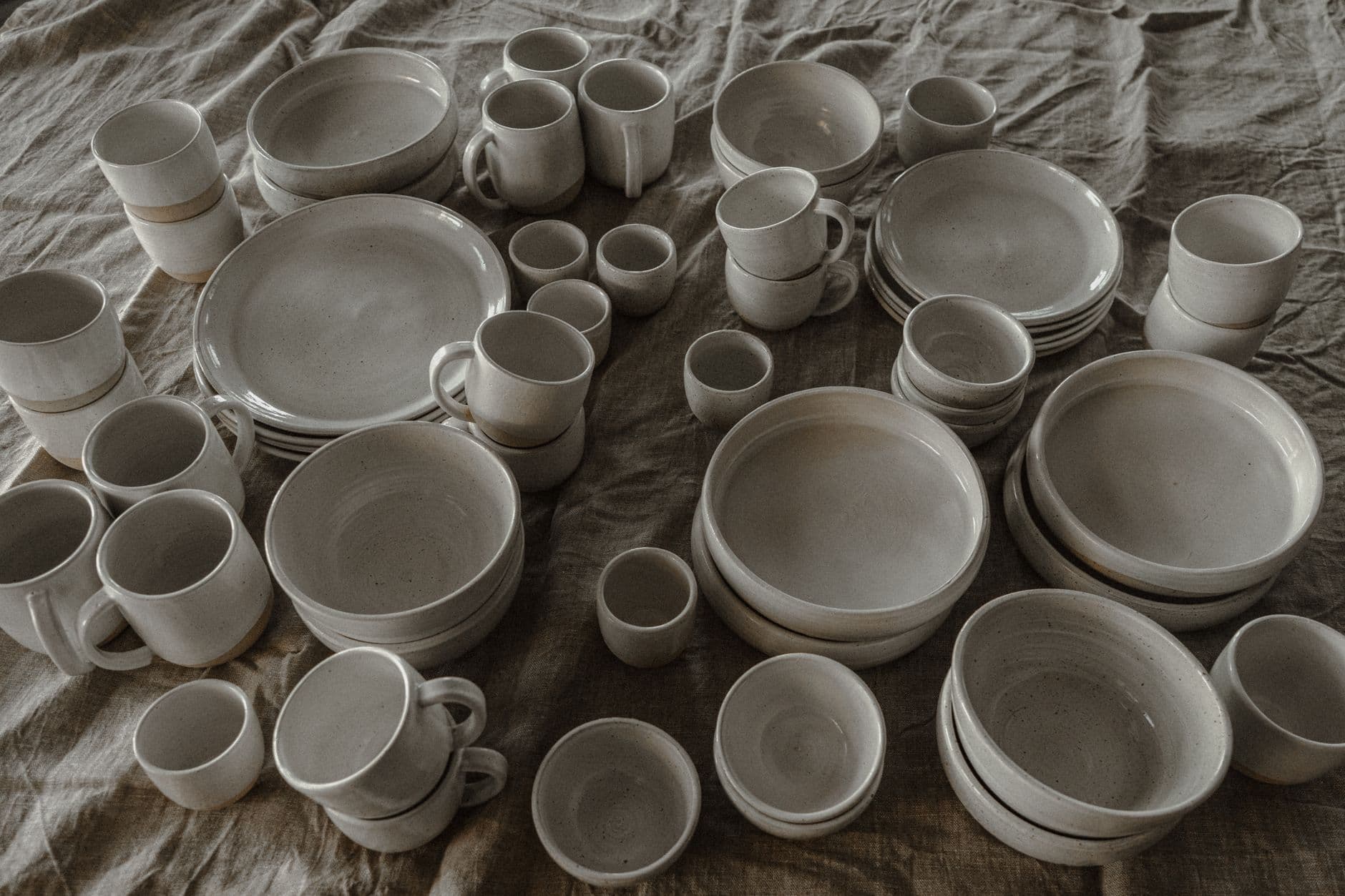
Choose stoneware for daily toughness, porcelain for a refined look.
Check size and storage
Measure cupboard depth and pick 16-20 cm plates that stack neatly.
Mind care and budget
Confirm dishwasher/microwave notes and expect R300-R1 600 for a coordinated set.
Why side plates matter
Side plates are small but important: they carry bread, starters, salad and the extras that keep a meal flowing. We recommend thinking about side plates as part of how your everyday table works - not a luxury. The right side plate makes serving feel natural, keeps counters cleaner and stretches a dinner service to handle guests without extra running to the sink.
How we approach buying side plates
When we choose side plates, we balance three practical things: size and stackability for storage, material for durability and look, and price for value. We'll walk through those decisions with examples that fit South African kitchens and weekday rhythms - from weekday lunches to braai accompaniments.
Quick comparison: common materials
| Feature | Porcelain side plates | Stoneware side plates |
|---|---|---|
| Look and finish | Refined, often bright white or glazed colours, smooth surface. | More textured, earthy tones and reactive glazes; rustic aesthetic. |
| Durability | Hard and chip-resistant with careful use; can be thinner and lighter. | Thicker, heavier and forgiving of everyday knocks; fewer visible chips. |
| Price (typical) | R150-R600 per plate or R350-R1 800 for sets, depending on brand and finish (estimated). | R120-R500 per plate or R300-R1 400 for sets (estimated). |
What the table tells us
If we want a refined dining look for weekends or guests, porcelain works well. If we need everyday toughness and a relaxed aesthetic, stoneware is often better. Both can be dishwasher-safe - check the product details and glazing - and both fit easily into mixed sets if we choose a simple rim or neutral colour.
Choosing the right size and shape
Side plates typically measure between 16 cm and 20 cm. Think about what you normally use them for. For small rolls and starters, 16-18 cm is ideal. If we often serve dessert or share small tapas portions, 18-20 cm gives more flexibility.
- Measure our cupboard or storage shelf depth to check stack height before we buy.
- Round plates stack most efficiently; scalloped rims or deep lips may look lovely but cost storage space.
- Lightweight plates ease handling for children and older family members.
Practical South African scenarios
For a weekend braai, choose sturdy stoneware side plates that won't chip when passed around outdoors. For sunlit weekend lunches and white tablecloths, porcelain side plates with a simple rim feel considered. Small households with limited counter and storage space should prioritise stackability and choose a 16-18 cm plate in a neutral tone so it complements existing dinnerware.
If we mix and match, pick one unifying element - a rim colour, a glaze family or a consistent diameter - so the table reads as intentional rather than accidental. You can find coordinated dinnerware and serveware in our Dinnerware selection to help build a complementary set.
Explore dinner plate pairings and serveware options on our Dinnerware and Serveware pages to see combinations that fit both daily and special occasions.
Care, finish and testing before you buy
We look at glazing, lead-free certification and dishwasher safety. Many modern side plates are microwave and dishwasher safe, but reactive glazes or metallic trims may limit that. If a plate has a gold or silver rim, it's usually not microwave-safe and might require handwashing.
A short checklist we use in-store or online
- Size: confirm diameter in centimetres and pictorial stack height.
- Material notes: porcelain, stoneware, earthenware or bone china.
- Finish: matte or gloss, presence of reactive glaze or metallic detailing.
- Care: dishwasher-safe? Microwave-safe? Oven-safe?
- Warranty or return window - helpful for fragile items.
Budgeting and value - realistic price bands
In South Africa we usually see three price bands. Entry-level sets (often earthenware or simple stoneware) start around R300-R700 for a four or six-piece side-plate set. Mid-range porcelain or branded stoneware sets typically fall between R700-R1 600. Designer or artisanal plates, reactive-glaze sets, or imported bone china can be R1 600 and up for a set. These are estimates and vary by brand and finish.
How to decide on budget
If we use side plates every day, invest in durable mid-range stoneware or porcelain; the extra cost often pays back in fewer replacements. If side plates are mostly for guests, a more decorative, less-durable option is acceptable. Remember to factor in delivery costs and any packaging for fragile items.
Mixing and matching - real examples we recommend
Example 1: Small family with limited storage - choose a set of 16.5 cm porcelain plates in white or soft cream. They stack shallowly, look good with any dinner plate and are light to handle.
Example 2: Entertaining often and serving substantial sides - pick 18.5-20 cm stoneware in an earthy glaze. They can double as small dessert plates and hide wear well.
Example 3: Starting from scratch - choose a neutral-coloured side plate that matches the rim or main tone of your dinner plate. Browse coordinating sets on our Dinnerware hub and read our article on crockery to refine materials and finishes.
Sustainability and local choices
Local brands and small studios often produce stoneware or earthenware with lower transport emissions and unique glazes. We appreciate buying locally when it supports makers and reduces shipping. Check product pages for origin and maker notes; many Bash listings show brand and origin information clearly on the product card.
Storing and using side plates the Bash way
- Stack plates with a paper or cloth interleaf for fragile glazes.
- Keep a small hand towel on the table for quick crumb clearing during service.
- Use a designated counter basket to carry plates to and from the dishwasher to minimise slips.
Where to start on Bash
We suggest starting with a neutral 4-6 piece side-plate set from a trusted material (porcelain or stoneware). Compare size and care notes on the product page and read customer reviews. If you want more guidance on matching plates to a small kitchen or apartment, our article on crockery offers practical spacing and material tips.
Explore curated examples in our Dinnerware hub and browse coordinating serveware on the Serveware page to build a set that fits both everyday life and occasional entertaining.
Sources
- South African Bureau of Standards (SABS)
- The Spruce - Dinnerware Buying Guide
- BBC Good Food - Buying Dinnerware
If you want, we can suggest three side-plate sets that match a particular budget and kitchen size - tell us your storage space and whether you prefer porous/earthy or refined/gloss finishes, and we'll pick options from Bash that match.
Ready to shop? Browse Dinnerware to find the right option for you.

Performance Marketing Lead at Bash, with a background in marketing from UNISA and years spent driving paid search strategy at leading e-commerce brands like takealot.com, I focus on data-driven growth, Google Ads optimization, and scaling digital performance.
Disclaimer: This content is for educational purposes only. Product availability, pricing, and specifications are subject to change. Always verify current details on the retailer's website before making a purchase.