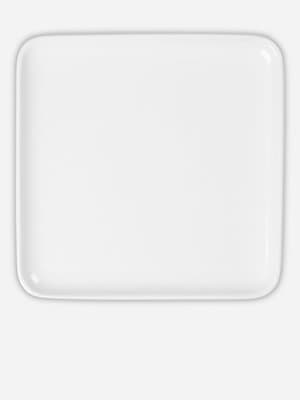
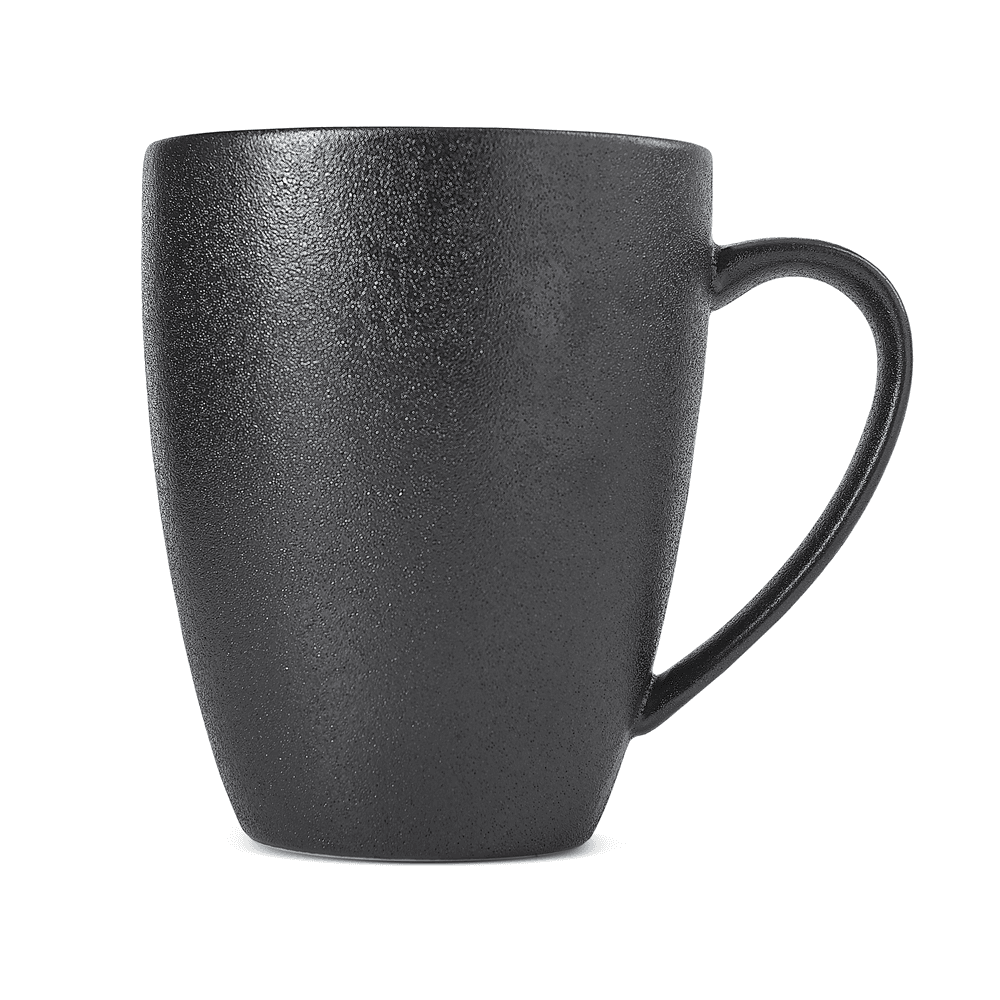
Crockery: How to choose dinnerware that fits your home and life
Practical, South African-focused advice on choosing crockery-materials, set sizes, care tips and estimated price ranges to match real homes.
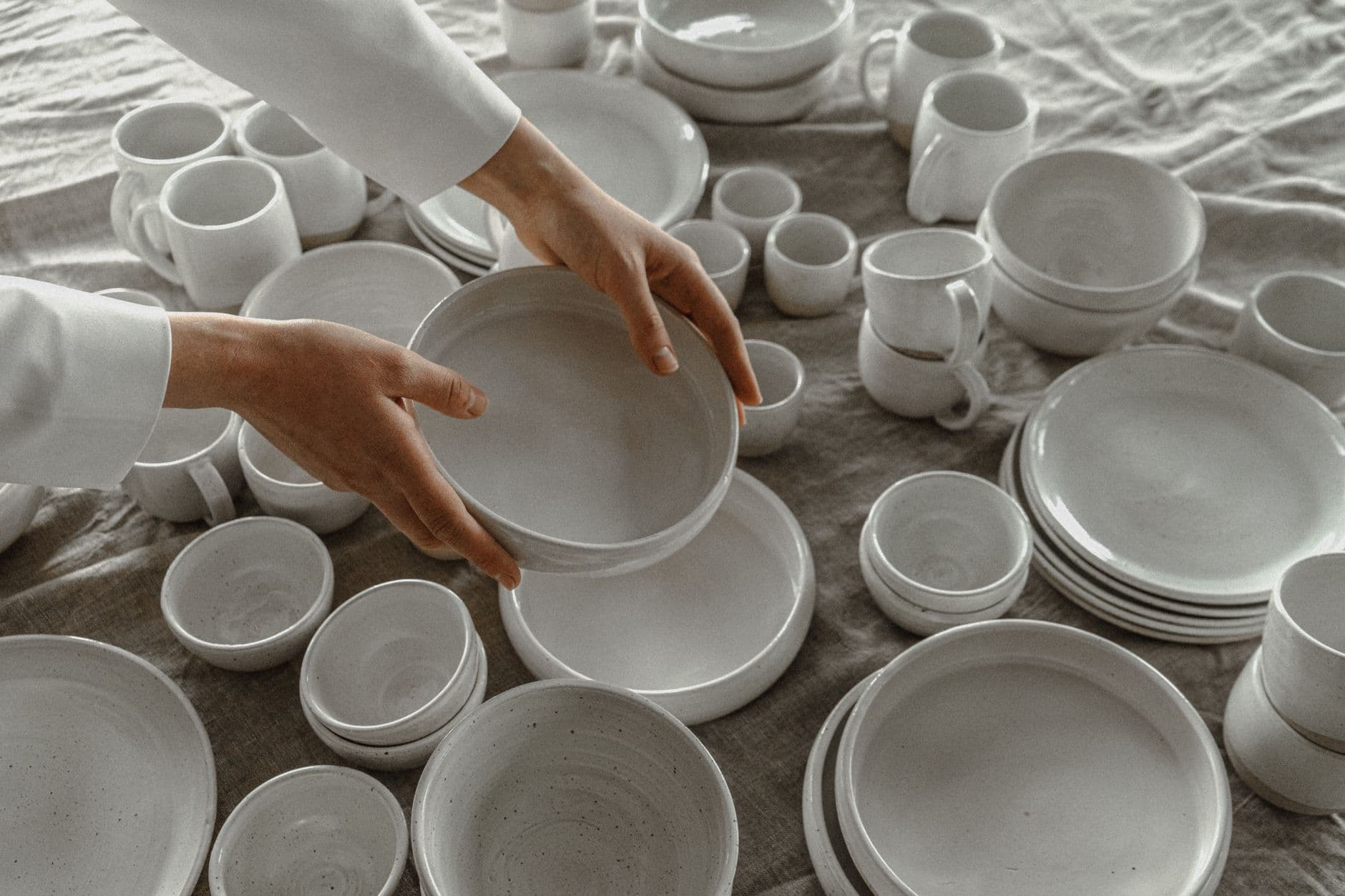
Pick material with use in mind
Porcelain for versatility, stoneware for casual durability, earthenware for colour.
Prioritise care labels
Check microwave and dishwasher suitability to match weekday habits.
Start with a core set
A 12-16 piece core keeps daily meals simple and leaves room to add pieces.
Why crockery matters
Crockery is more than plates and bowls on a countertop; it shapes how we cook, serve and enjoy food. The right dinnerware makes everyday meals easier, reduces breakages and can even simplify storage. When we think about crockery for South African homes, we balance durability for daily use with style for weekends and guests.
Key choices at a glance
- Material - porcelain, stoneware, earthenware and bone china each behave differently.
- Finish and colour - matt or gloss, patterned or plain - affects chip visibility and versatility.
- Set composition - how many dinner plates, side plates, bowls and mugs you actually need.
- Care and compatibility - microwave and dishwasher suitability matters for weekday life.
Materials explained
We recommend understanding three common materials before you buy:
- Porcelain: Fine, slightly translucent, and usually chip-resistant when glazed. Good for both everyday and dressy use.
- Stoneware: Heavier with rustic finishes; it hides scratches well and suits casual family meals.
- Earthenware: Affordable and colourful but generally less hard-wearing than porcelain or stoneware.
Match the set to how you live
Think about real routines: do you eat at a counter most nights, host braais on weekends, or pack lunches for kids? For a small family we often suggest a core 16-piece set (four dinner plates, four side plates, four bowls, four mugs) so everyday washing cycles are straightforward. Larger households or those who entertain regularly may prefer to add extra side plates or serving bowls.
If you want guidance on styling and combinations, check our Kitchen & Dining for complementary pieces and ideas.
Choosing crockery-our practical checklist
Here are the concrete steps we take when choosing a set for a home:
- Decide function first: everyday, occasional or mixed use.
- Check marking: microwave-safe, dishwasher-safe and oven-safe temperatures if specified.
- Pick neutral colours for flexibility (white, cream, soft grey) or one accent set for special meals.
- Measure storage: ensure plates fit stacked on your kitchen counter or in cupboards without overcrowding.
Care tips that save money
Small habits extend the life of crockery: avoid thermal shock (don’t move directly from hot oven to cold countertop), use silicone mats for stacked storage, and run a gentle cycle in the dishwasher for mixed materials. For families with young children, choose matte finishes and thicker rims to hide small chips and keep replacements for frequently used pieces.
Budgeting and what to expect
Expect a range of price points: entry-level 16-piece sets often start from around R300-R600; mid-range porcelain and stoneware sets commonly sit between R700 and R2 000 depending on brand and design; premium or designer sets can cost more. These are estimates and vary by material, piece count and finish.
How we help you decide
We know shopping for crockery can feel overwhelming. That’s why we highlight product details like microwave and dishwasher suitability, show lifestyle photos so you can picture pieces on your counter, and group matching items so you can build a set over time. You can also read more practical advice in our Dinnerware articles: Dinnerware articles.
Ready to browse? Explore curated crockery collections in our Dinnerware for sets, single pieces and serving ware to match your home and habits: Dinnerware. For broader ideas on coordinating tableware with furniture and décor, our Kitchen & Dining pages show paired looks and practical bundles: Kitchen & Dining.
Simple examples we use with customers
- A small household that eats mostly at the counter: a 12-piece porcelain set plus two extra bowls for lunches.
- Families who entertain: a durable stoneware core set and a few dress plates for special meals.
- City flats with limited storage: single-tone stackable plates and multi-use bowls that serve soup and cereal.
If you’re unsure where to start, pick a neutral, dishwasher-safe 16-piece set and add an accent pattern over time-this keeps your day-to-day easy while letting your table evolve.
Sources
- Dinnerware (shop) - Bash product pages and specifications.
- Kitchen & Dining (shop) - Bash category for coordinated tableware and appliances.
- South African Bureau of Standards - general product safety and standards guidance.
We keep our crockery selection focused on practical durability and honest styling so you can enjoy meals without fuss. If you’d like help narrowing options for your home type, we’re here to make the process simple and useful.

Performance Marketing Lead at Bash, with a background in marketing from UNISA and years spent driving paid search strategy at leading e-commerce brands like takealot.com, I focus on data-driven growth, Google Ads optimization, and scaling digital performance.
Disclaimer: This content is for educational purposes only. Product availability, pricing, and specifications are subject to change. Always verify current details on the retailer's website before making a purchase.