
Cooling mattress toppers for hot sleepers: types, materials and how to choose
Practical advice for South African sleepers: compare gel, latex, open-cell foam and fibre toppers, plus selection and care tips to sleep cooler.
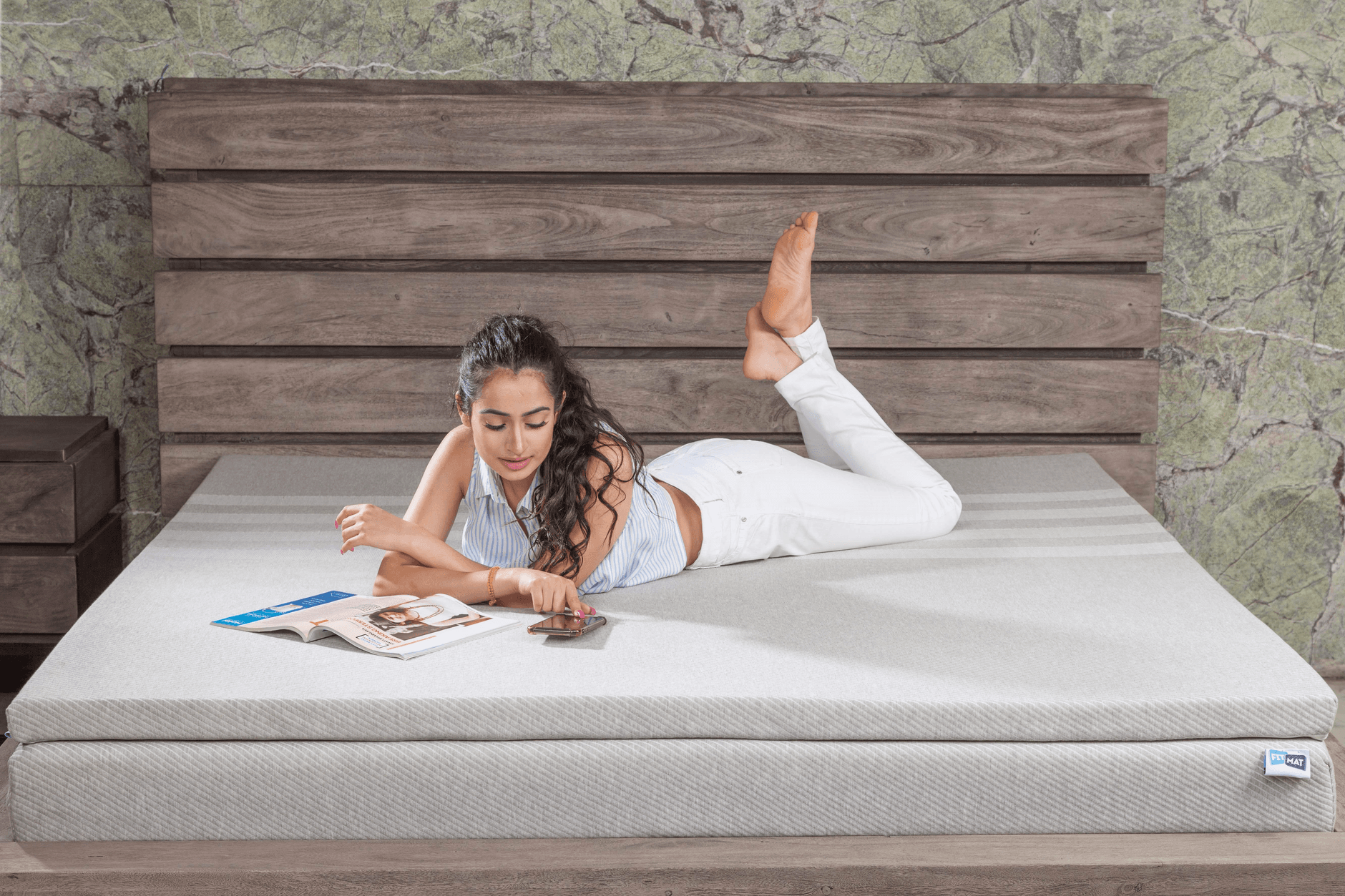
Pick by cooling behaviour
Choose gel for initial coolness, latex for airflow, or wicking fibres for humidity control.
Thickness matters
3-6 cm usually balances cooling and support; thicker can trap heat if not breathable.
Care and compatibility
Rotate, use breathable protectors and match topper to mattress size for best results.
Why a cooling mattress topper can help
If you wake hot more nights than not, the mattress surface is a common culprit. We notice two repeat problems: trapped heat at the surface, and slow moisture transfer away from the body. A cooling mattress topper improves the immediate sleep surface without replacing your mattress, and it can be a low-effort way to change how your bed feels in hot South African summers or in warm, stuffy rooms.
How toppers differ from protectors and mattress pads
Toppers are thicker and designed to change comfort and temperature; mattress protectors mainly shield against spills and allergens. If you want to change how the bed sleeps, look at mattress toppers. For shopping options and to compare related products, see our Mattress Protectors & Base Covers category.
Types of cooling mattress toppers (what we actually test)
We focus on four practical topper types you’ll find on Bash and elsewhere. Each one manages heat differently, so think in terms of what matters most to you: immediate cool feel, long-term heat draw, moisture wicking, or airflow.
- Gel or gel-infused foam: Adds a cooler initial feel and modest heat dispersion. Good for lighter sleepers who want a cooler first touch without losing support.
- Latex (natural or blended): Naturally aerated and springy; it moves air better than solid foam and resists heat buildup for many sleepers.
- Open-cell memory foam: Treated or constructed to increase airflow; softer than latex but can still trap heat if the cell structure is dense.
- Fiber / down-alternative with cooling finishes: Light, breathable toppers with moisture-wicking outer layers; ideal when you want airflow and minimal change to mattress support.
A quick reality check on "cooling" claims
Manufacturers often use words like "cooling" or "temperature-regulating". In our experience, those phrases usually mean either an initial cool surface (phase-change materials or gel) or improved airflow/moisture wicking. Decide whether you need faster surface cooling (immediate relief) or better overnight heat removal (sustained comfort).
Key materials and what they do
Below are the materials we recommend depending on common sleeping patterns. These reflect repeated testing and customer feedback in South African climates.
- Phase-change materials (PCMs): Feel cool on contact but may level out as they absorb heat; best when paired with breathable structure.
- Gel-infused foams: Improve the initial feel; choose open-cell gel foams for better long-term heat movement.
- Talalay or Dunlop latex: Highly breathable and durable; a good option if you prefer a responsive, lifted surface.
- Wicking synthetic fibres: Lightweight, allow airflow and draw moisture away from skin - good for humid nights.
If you’re unsure where to start, our Bed & Linen collection helps match toppers to sheet types that work well together for cooling performance.
Sizing, thickness and how they change feel
Toppers typically range from 2 cm to 10 cm. Thinner toppers (2-4 cm) alter surface feel and coolness without changing overall support. Thicker toppers (6-10 cm) change the mattress’s support profile and can trap more heat unless their material is very breathable. We usually recommend 3-6 cm for hot sleepers who want a balance of comfort and cooling.
Practical selection checklist
- How hot are you at night? If you only feel warm briefly, a thin gel or PCM topper may suffice. If you sweat heavily, prioritise latex or open-cell constructions.
- Do you share a bed? Two sleepers with different temperature needs often fare better with toppers that improve airflow rather than ones that change firm/soft feel dramatically.
- Room ventilation: A breathable topper performs best in a room that has airflow. A heavy duvet in the same room can negate the topper’s benefits.
- Budget and durability: Expect to pay more for natural latex; it also lasts longer. Mid-range gel-infused foams offer a cost-effective balance - in South Africa we commonly see sensible options from about R600 to R4 000 depending on size and material quality.
Care, compatibility and real-world tips we use
Rotate toppers every 1-3 months to prevent localised wear and to keep airflow channels open. Use breathable fitted topper protectors rather than thick plastic protectors - they preserve breathability and make washing easier. For mattress sizes and to shop matching items, try our Beds, Mattresses & Headboards hub for mattress compatibility notes and sizes.
Real example: We had a customer in Durban who swapped a 5 cm gel-infused topper for a 4 cm Talalay-latex topper and found overnight sweat reduced - not because latex is magically colder, but because the latex allowed constant airflow and avoided the gel layer reaching equilibrium overnight.
When to consider replacing your topper
If your topper compresses, develops permanent impressions, or no longer breathes the way it used to, replacement makes sense. Expected lifespan varies: synthetic foams 2-4 years, quality latex 5-8 years depending on use.
Next steps we recommend
Start by identifying which cooling behaviour you value most - immediate cool touch, sustained heat removal, or airflow. Use our checklist above, compare material behaviour, and check size and thickness before you buy. If you want to try before committing to a full mattress change, a well-chosen topper is an effective, lower-cost test.
Explore our related categories on Bash to find compatible sheets, protectors and mattress sizes that work with your chosen topper. We’ve linked the most useful hubs above to help you compare options and see products in context.
Sources
- Sleep Foundation - How to stay cool at night
- NHS - Why good sleep is important
- CSIRO - Research on materials and thermal comfort

Performance Marketing Lead at Bash, with a background in marketing from UNISA and years spent driving paid search strategy at leading e-commerce brands like takealot.com, I focus on data-driven growth, Google Ads optimization, and scaling digital performance.
Disclaimer: This content is for educational purposes only. Product availability, pricing, and specifications are subject to change. Always verify current details on the retailer's website before making a purchase.


