
Step-by-step Highveld bedding swaps for summer and winter
A practical, step-by-step routine for swapping bedding on the Highveld. Learn what to change, when, and how to care for summer and winter kits.
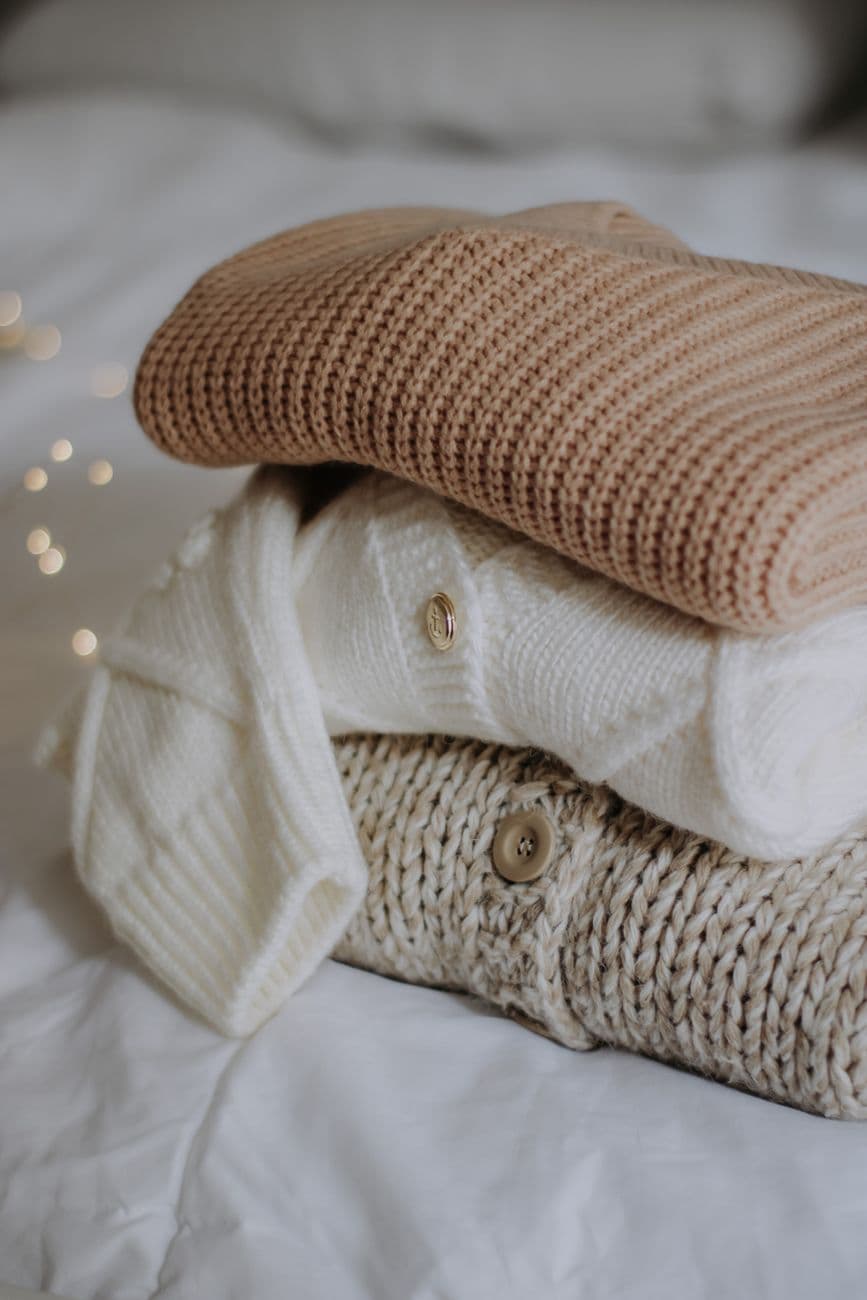
Two seasonal kits
One light kit for Highveld summers and one insulated kit for winters - swap twice a year.
20-40 minute swaps
A repeatable routine that saves washing and keeps nights comfortable.
Practical fabric choices
Percale/linen for summer; wool or microfibre plus a warm duvet for winter.
Why a seasonal bedding swap matters on the Highveld
We live with large day-night temperature swings on the Highveld: hot afternoons and cool nights in summer, and cold, dry mornings in winter. That means a single bedding setup rarely suits both seasons. A focused, repeatable swap - not a full bedroom overhaul - keeps sleep comfortable, saves washing, and stretches the life of your bedding. In this article we use step-by-step swaps you can do in 20-40 minutes, twice a year, plus small habit changes that make the difference.
The quick plan (what we swap and when)
- Late October: switch to summer kit (light base, breathable cover, thin top layer).
- Late April: switch to winter kit (insulating middle layer, warmer duvet or layered blankets).
- Between swaps: nightly micro-adjustments (open/close covers, add a throw) depending on actual night temperatures.
How we choose fabrics and pieces for each season
On the Highveld we favour breathable natural fibres in summer and a combination of natural and insulating layers in winter. For summer, cotton percale, linen and light Tencel or modal blends work well next to the skin because they feel cool and allow moisture to move away. For winter, we build an insulating middle layer: a wool or thick microfibre blanket plus a heavier duvet if needed. Pillows follow the same rule - cooler pillowcases in summer; warm, insulating covers in winter.
Essentials to have ready before you start
- One fitted sheet set for summer (light weave), one for winter (higher thread-weight or flannel as preferred).
- Two duvet covers: light-weight cotton or linen for summer; denser cotton or brushed cotton for winter.
- One insulating blanket or throw and one thin coverlet.
- A mid-weight duvet (tog/weight suitable for local winters) and a lighter duvet for summer or a removable inner with carriers.
Where to look on Bash
When you’re ready to shop, start at our Bed & Linen hub for fitted sheets and duvet covers, and explore Blankets & Throws for insulating layers. If summer nights are often still warm indoors, a quiet bedroom fan can help - see our Fans selection for low-noise models.
Quick note: use calendar triggers. We set a simple recurring reminder for 'Highveld bedding swap' in late October and late April. Doing the swap when temperatures reliably change means less trial-and-error and fewer mid-season washes.
Step-by-step swap: Summer kit (late October)
Time: 20-30 minutes. Outcome: a bed that releases heat overnight and dries quickly after humid evenings.
1 - Strip and inspect
Remove winter layers and check sheets/duvet inners for wear or damp spots. If anything smells musty, air it in the sun for a few hours before storing.
2 - Build the base
Put on a light percale or linen fitted sheet and a breathable pillowcase. Percale breathes well for sweat-prone nights; linen softens with washes and is excellent for warm seasons.
3 - Choose the top layer
Use a thin summer duvet or a lightweight quilt folded at the foot of the bed. Keep a light cotton or linen duvet cover in place - eases washing and feels cooler than brushed options.
4 - Nightly micro-routine
- If the night cools, drape the thin duvet across hips only and sleep with limbs partly uncovered.
- For unexpectedly warm nights, remove the duvet and use only the fitted sheet and pillowcase.
- Use a fan on low if air circulation is limited; position to avoid direct drafts on the face.
Step-by-step swap: Winter kit (late April)
Time: 30-40 minutes. Outcome: a layered bed that traps warmth steadily through cool Highveld mornings while still allowing temperature control at night.
1 - Strip and refresh
Start with a clean mattress protector and a winter-rated fitted sheet. If you prefer a slightly warmer feel, choose a brushed cotton or flannel sheet set for the base.
2 - Add the insulating middle layer
Place a thick wool or heavy microfibre blanket over the sheet as the middle layer. Wool is breathable and regulates temperature well; microfibre is lighter but traps heat effectively. Fold the blanket lengthwise so you can kick your feet free if you overheat.
3 - Duvet and final cover
Use a denser duvet (medium to warm tog depending on how cold your nights get). Pop it into a denser cotton duvet cover and zip or button closed to avoid heat loss. If your bedroom gets very cold pre-dawn, add a thin throw at the foot for extra warmth without overheating the whole bed.
4 - Morning and evening habits
- Open windows early to clear night humidity if the day will warm up.
- Fold back covers mid-morning so the middle blanket and duvet air out on sunlit mornings once a week.
- If you use a heater, run it briefly before bed and avoid leaving heaters on all night to keep air dry and safe.
Practical examples and estimated costs
From our experience, a reliable seasonal kit can be assembled without premium spend. Expect to pay roughly: a decent percale sheet set R350-R900, a mid-weight wool or microfibre blanket R400-R1 200, and a mid-range duvet R600-R1 800 depending on fill and size - prices vary by brand and size. These are estimates to help plan; check product pages for exact pricing and variants.
Caring for layered bedding
Rotate and air layers monthly. Wash duvet covers and sheets every 1-2 weeks; blankets and duvets can be washed less often (follow the care label). Using mattress protectors extends the life of the set and reduces deep cleaning frequency - see Mattress Protectors & Base Covers for options.
Wrap-up: a twice-year routine we keep
A successful Highveld bedding swap is simple: plan two short sessions a year, use the right fabrics for each season, and practise small nightly adjustments. We recommend starting with the checklist above and refining choices based on your bedroom’s microclimate - if you share a bed, find a compromise that suits both sleepers. When you’re ready, explore our Bed & Linen and Blankets & Throws categories to build a kit that fits your budget and preferences.
Sources
- The Woolmark Company - guidance on wool bedding
- Sleep Foundation - ideal bedroom temperature and bedding tips
- South African Weather Service - Highveld climate patterns

Performance Marketing Lead at Bash, with a background in marketing from UNISA and years spent driving paid search strategy at leading e-commerce brands like takealot.com, I focus on data-driven growth, Google Ads optimization, and scaling digital performance.
Disclaimer: This content is for educational purposes only. Product availability, pricing, and specifications are subject to change. Always verify current details on the retailer's website before making a purchase.


