
One-layer seasonal swap: move from winter flannel to summer cotton with a single change
Make the seasonal bedding change simple. Learn how a single swap-from winter flannel to a lightweight cotton layer-keeps your bed comfortable through South African shoulder seasons.
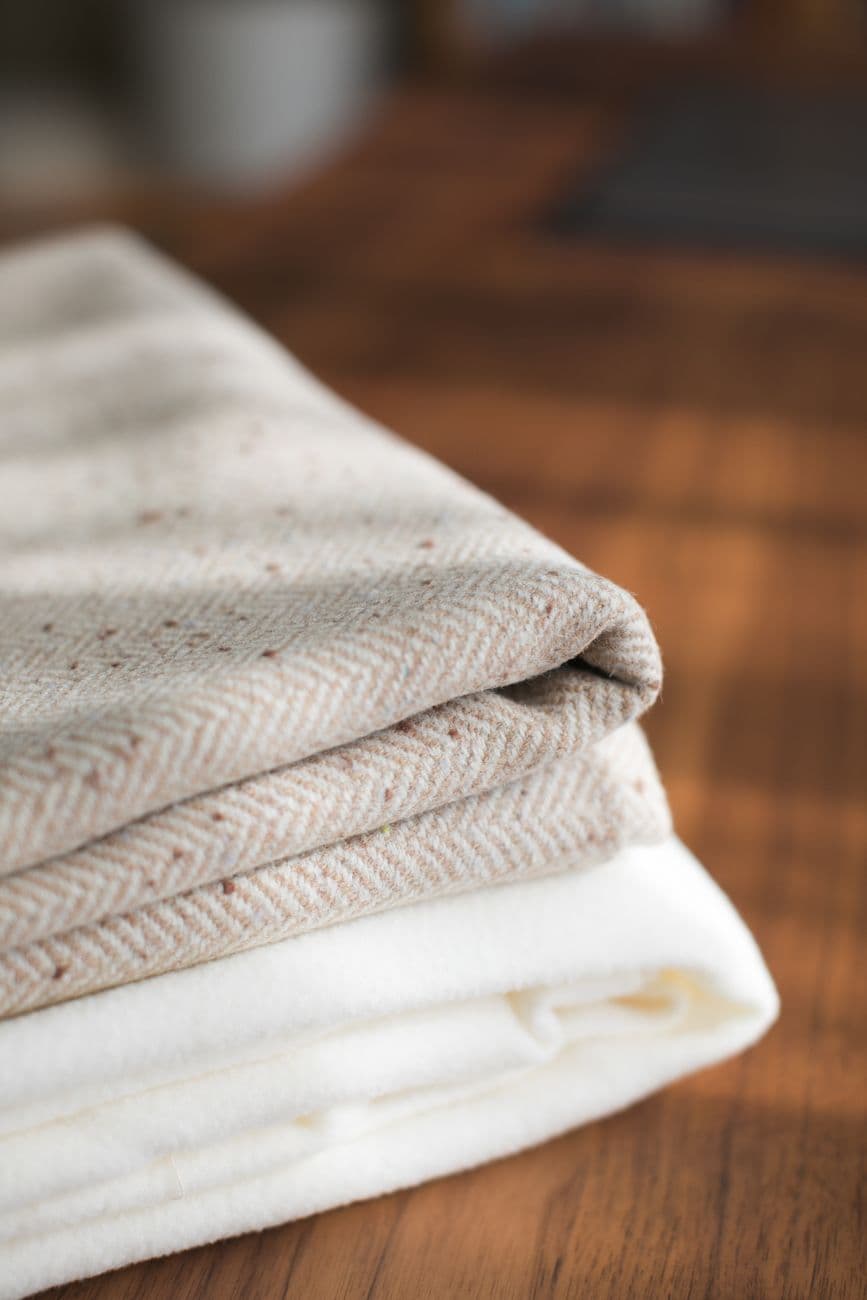
Swap one layer
Replace a heavy flannel piece with a lightweight cotton layer for instant seasonal comfort.
Choose percale
Lightweight cotton percale gives breathability and quick drying for busy homes.
Keep the extras
Use a cotton throw or blanket at the foot of the bed for flexible warmth control.
Why a one-layer swap works for transitional season bedding layers
Transitional seasons in South Africa can be unpredictable: mornings still have a bite while afternoons warm up. Instead of replacing every bedding piece, we recommend a single, intentional swap that replaces a winter flannel layer with a lightweight cotton alternative. That keeps evenings cosy and afternoons breathable - and it’s a low-cost, low-effort change that fits busy lives.
What we mean by “one-layer swap”
By one-layer swap we mean removing a heavy winter layer (for example, a flannel duvet cover, thick blanket, or heavy throw) and replacing it with one breathable cotton layer - such as a cotton percale cover, a cotton blanket, or a lightweight cotton throw. The rest of your bed - fitted sheet, mattress protector, and pillow setup - stays the same.
Benefits for home and pocket
- Fast: takes under five minutes to change the bed and experiment with comfort.
- Affordable: a single cotton layer can cost from around R200-R900 depending on weight and brand - less than a whole sheet set.
- Sustainable: fewer purchases and less washing of heavy items saves energy and water.
When to do the swap
Try the one-layer swap when daytime highs regularly exceed your bedroom’s overnight comfort temperature by 5°C or more, or when you notice waking up slightly sweaty after nights that felt cool at 21:00. In most South African towns this is often late spring (September-October) and early autumn (March-April), but local microclimates vary.
How to choose the right summer cotton layer
Not all cotton is the same. For a versatile transitional layer we favour cotton percale or light-weight cotton weaves because they lie cool against the skin, breathe well, and wash easily. Here’s a short checklist to guide your pick:
- Weave: prefer percale (crisp, breathable) over sateen (smoother but slightly warmer) for transitional use.
- Weight: look for 120-200 gsm (grams per square metre) or labelled "lightweight" - enough warmth for cooler nights, still airy for warm afternoons.
- Finish: avoid heavy brushed finishes (like flannel) in the cotton layer; smooth finishes dry faster after washing.
- Size: pick a blanket or duvet cover that matches your existing insert so the swap is seamless.
If you’d like to shop, our Bed & Linen category has a range of lightweight cottons to consider. Bed & Linen
Practical fabric choices we use
- 100% cotton percale duvet cover - breathable and crisp.
- Cotton-knit blanket or cotton throw - softer drape, good for layered control.
- Lightweight cotton quilt (single layer) - handy when you want more structure than a loose throw.
We avoid synthetic ‘cooling’ labels for this swap unless you know you prefer that finish - natural cotton is familiar, washes easily, and suits most skin types.
A quick sizing and care note
Buy a cotton layer sized to your existing bed so corners and tuck-ins work. Most cotton percale covers are machine-washable at 40°C; dry on a line where possible to save energy. If you’re replacing a duvet cover, keep your winter duvet insert in a breathable storage bag until cold returns.
For related small upgrades - if you want a lightweight top layer for sofas or guest rooms - take a look at our Blankets & Throws selection. Blankets & Throws
Setups we recommend: three simple, realistic bedroom examples
1) The apartment bedroom (small space, quick wash)
Keep your fitted sheet and pillows the same. Swap a heavy flannel duvet cover for a percale duvet cover (lightweight, 120-160 gsm) and use a cotton-knit throw for nights that still feel cool. Percale covers dry quickly in a short wash cycle - ideal if you don’t have much drying room.
2) The family bedroom (shared warmth preferences)
We recommend layered control: one percale duvet cover over your existing duvet insert, plus a separate cotton blanket folded at the foot of the bed. This lets each person add or remove the folded blanket without changing the entire bedding setup. If you need quick daytime cooling, a fan placed on low helps move air without making the bed chilly at night - see Fans for simple options. Fans
3) The guest room (flexible, low-maintenance)
Keep a cotton quilt or lightweight percale duvet on hand for guest turnover. Store your winter flannel cover in a breathable bag so it’s ready for returning cold spells. A cotton throw in a neutral colour provides both warmth and an easy, tidy appearance.
Small rituals that make the swap feel right
A few practical habits stop the swap from feeling experimental and start making it part of your routine.
- Swap evening: change the layer on a cool evening so you can assess comfort overnight.
- Night test: sleep one night with the new cotton layer alone; if you wake chilled, add the cotton throw rather than returning the heavier item.
- Wash schedule: aim to wash cotton layers every 2-3 weeks in transitional months; lighter items clean faster and dry in a day on a line.
How to decide when to revert to flannel
If overnight lows consistently drop below what feels comfortable (for many people that’s commonly around 12-14°C indoors), it’s time to bring the winter flannel layer back. Store the cotton layer where it’s easy to reach so you can test again next season.
Keep it simple: the one-layer swap is not about perfect science but a small change that gives you flexible control through shoulder seasons. It saves time, money, and the frustration of sleeping too hot or too cold.
Explore our Bed & Linen and Blankets & Throws sections to try the swap, or browse Fans for easy airflow solutions. We’re here to help you find simple, everyday ways to sleep better - with less fuss and sensible choices that suit South African homes.

Performance Marketing Lead at Bash, with a background in marketing from UNISA and years spent driving paid search strategy at leading e-commerce brands like takealot.com, I focus on data-driven growth, Google Ads optimization, and scaling digital performance.
Disclaimer: This content is for educational purposes only. Product availability, pricing, and specifications are subject to change. Always verify current details on the retailer's website before making a purchase.
Sources
- Commonwealth Scientific and Industrial Research Organisation (temperature and thermal comfort research)
- South African Bureau of Standards (textile care and labelling guidance)
- BBC House & Home (practical advice on bedding materials and seasonal swaps)


