Sneakers for kids: choosing breathable, washable and flexible pairs
Practical South African guide to choosing kids' sneakers with breathable uppers, washable materials and flexible soles-fit tests, care tips and real-life examples.
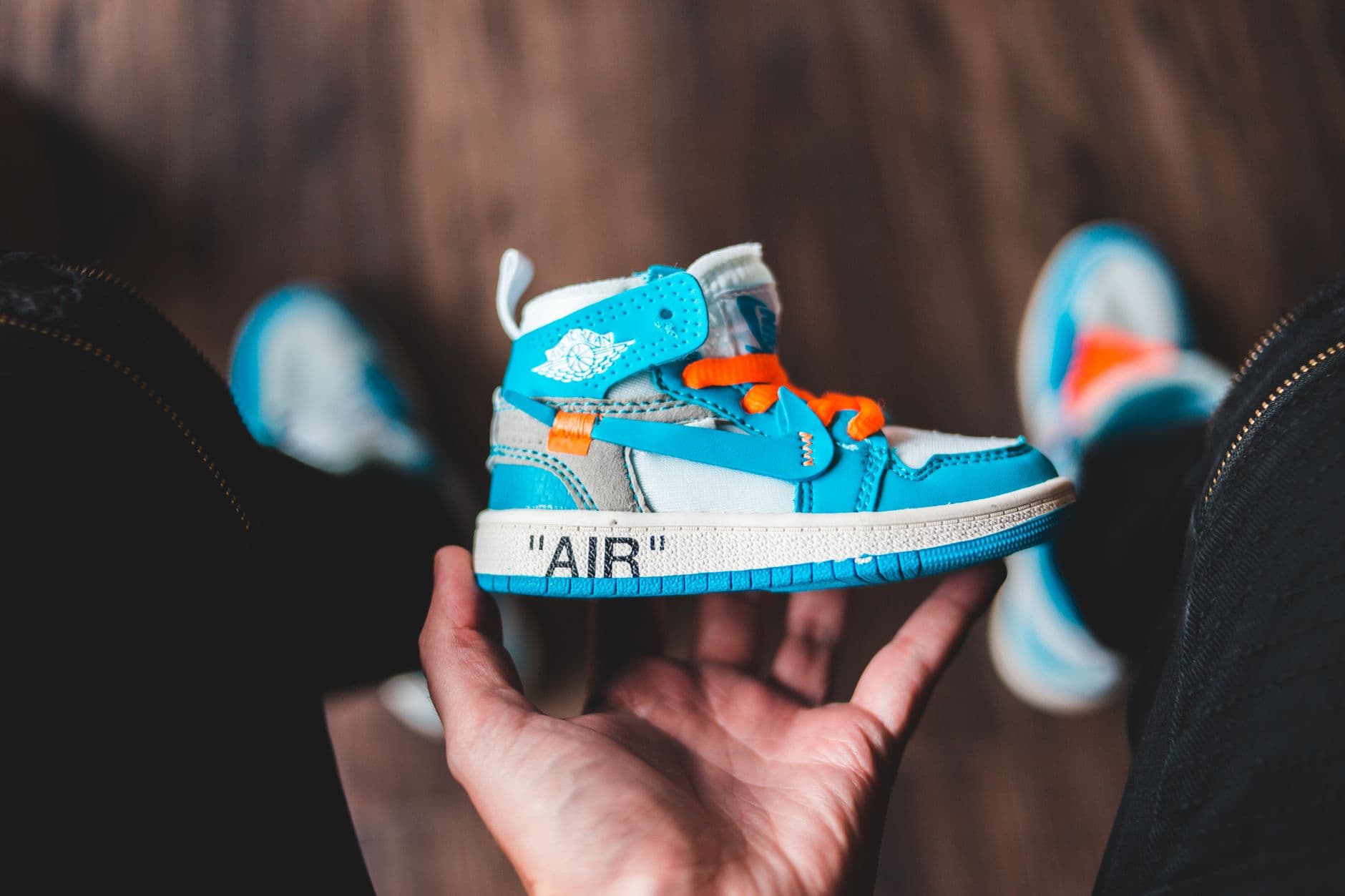
Focus on three features
Pick breathable uppers, washable materials and flexible soles for comfort and longevity.
Fit matters more than style
Ensure heel security, a thumb-width toe gap and a forefoot that bends naturally.
Easy care tips
Remove insoles, wash gently and air-dry in shade to extend usable life.
Why breathable, washable and flexible sneakers matter for kids
We see sneakers as everyday tools: they carry little feet to school, play and family outings. For busy South African households, breathable, washable and flexible pairs reduce sweat, cut down on laundry hassle and let feet move naturally. Choosing these features well can mean fewer blisters, longer usable life and a simpler morning routine.
How these three features help in real life
- Breathable uppers (meshes or perforated synthetics) lower the risk of overheating and odour build-up.
- Washable materials let parents clean mud, grass stains and school dust without damaging structure.
- Flexible soles permit natural toe-off and balance - vital for running, jumping and climbing.
A quick checklist before you buy
- Look for a roomy toe-box (about a thumb’s width from longest toe to end of shoe).
- Prefer single-piece breathable uppers or panels that dry quickly after washing.
- Choose non-toxic glues and simple constructions to avoid delamination after cleaning.
- Fastenings: elastic laces or single velcro straps are faster for younger kids; adult shoelaces are fine once they can tie confidently.
Sizing and fit: how flexibility changes what we buy
Flexible soles often feel different when you pick them up. Instead of bending the shoe at the middle, test it across the forefoot: a good children’s sneaker bends where the toes naturally lift. We measure fit the same way across ages - heel snug, toe room, and no pinching across the forefoot. If a flexible shoe lets toes splay slightly when standing, that’s usually a sign the foot can move naturally.
Because kids’ feet grow quickly, allow for roughly 1 to 1.5 cm (a thumb’s width) of free space. In South Africa we often see seasonal growth spurts before school terms; that extra room helps extend wear without compromising gait.
Fit-test you can do at home
- Have the child stand while you press the toe cap - check for the thumb-width gap.
- Ask them to walk and stop to see if the heel lifts more than 1 cm (too loose) or not at all (too tight).
- Flex the forefoot with your hands: the bend should be where the toes naturally pivot.
Materials and care: making washable sneakers last
Not every 'toe washable' label means machine-proof. We prefer sneakers where uppers are synthetic meshes or treated canvas and where the lining and insole can be removed. That way you can hand-wash or use a gentle machine cycle and dry them fast in shade - direct sun can fade and warp glue joins.
For everyday household reality: a pair that survives regular surface scrubs or a 30°C machine wash is worth paying a little extra for. Estimate: good washable kids’ sneakers in South Africa commonly range from about R350 to R1 200 depending on brand and build; choose based on how often the shoes will need cleaning and how long you want them to last.
Quick care steps
- Remove insoles and laces before washing.
- Hand-scrub stubborn stains with mild soap; use a gentle machine wash only when the label permits.
- Air-dry in the shade and reshape while damp - avoid tumble-dry or direct heat.
If you want to shop breathable, washable and flexible sneakers for kids now, explore our curated kids’ sneakers at Sneakers to compare materials and sizes.
Choosing by activity and age - practical examples
One pair doesn’t fit every use. Here are realistic pairings we recommend from our experience working with families across South Africa.
Toddlers (1-3 years)
Pick lightweight, highly flexible soles with wide toe-boxes. Fastenings should be simple - a single velcro strap or wide elastic. Breathable mesh uppers help during hot Gauteng or Durban summers when feet sweat more.
Primary school kids (4-10 years)
Durable, washable uppers with reinforced toe caps are helpful for playground wear. A mid-level flexible sole gives enough support for sports and free play while still allowing natural foot motion. For shoes used every day, aim for fabrics that dry quickly after washing.
Older kids and pre-teens (11+ years)
They can wear slightly firmer soles if their activity demands it (sports training), but breathable panels and removable insoles remain useful for hygiene and washing. Let them choose colourways within your fit and material rules - ownership helps them care for their shoes.
Balancing durability and washability: what we recommend
A durable shoe often uses stronger overlays at the toe and heel. When paired with breathable mesh panels and a washable insole, this combination gives tough everyday wear without locking in moisture. If you expect heavy mud (garden weekends or farm visits), choose models with rubberised toe caps and quick-dry lining.
When to replace rather than repair
- Separation between sole and upper after washing.
- Permanent insole collapse or loss of arch support that affects walking.
- Structural damage to fastenings so shoes no longer stay closed on the foot.
For more shopping ideas and complimentary advice on sizing, read our related articles in Kids articles and explore broader kids’ categories at Kids. If you want adult-style sneaker ideas for family matching, see Sneakers for men’s options too.
Practical note: when you try on shoes in the afternoon, feet are slightly larger from daily activity. We recommend fitting later in the day where possible and keeping a simple size log for each child (brand, size, measured room) to speed up repeat buys.
We’ve written this from hands-on experience helping families choose practical sneakers that stand up to South African days - from township streets to suburban sports days. If you’d like, we can suggest specific breathable, washable and flexible models within your child’s age and activity needs.

Performance Marketing Lead at Bash, with a background in marketing from UNISA and years spent driving paid search strategy at leading e-commerce brands like takealot.com, I focus on data-driven growth, Google Ads optimization, and scaling digital performance.
Disclaimer: This content is for educational purposes only. Product availability, pricing, and specifications are subject to change. Always verify current details on the retailer's website before making a purchase.
Sources
- American Academy of Orthopaedic Surgeons - How children’s feet develop
- South African Family Practice - professional resources for child health
- National Department of Health, South Africa - child health and hygiene guidance
- PubMed Central - footwear and foot development studies (selected review)