
How to measure a boy’s foot for shoes (step-by-step at home)
Learn how to measure your boy’s foot at home with easy, accurate steps. Save time, avoid rubbing, and pick the right Kids shoes on Bash.
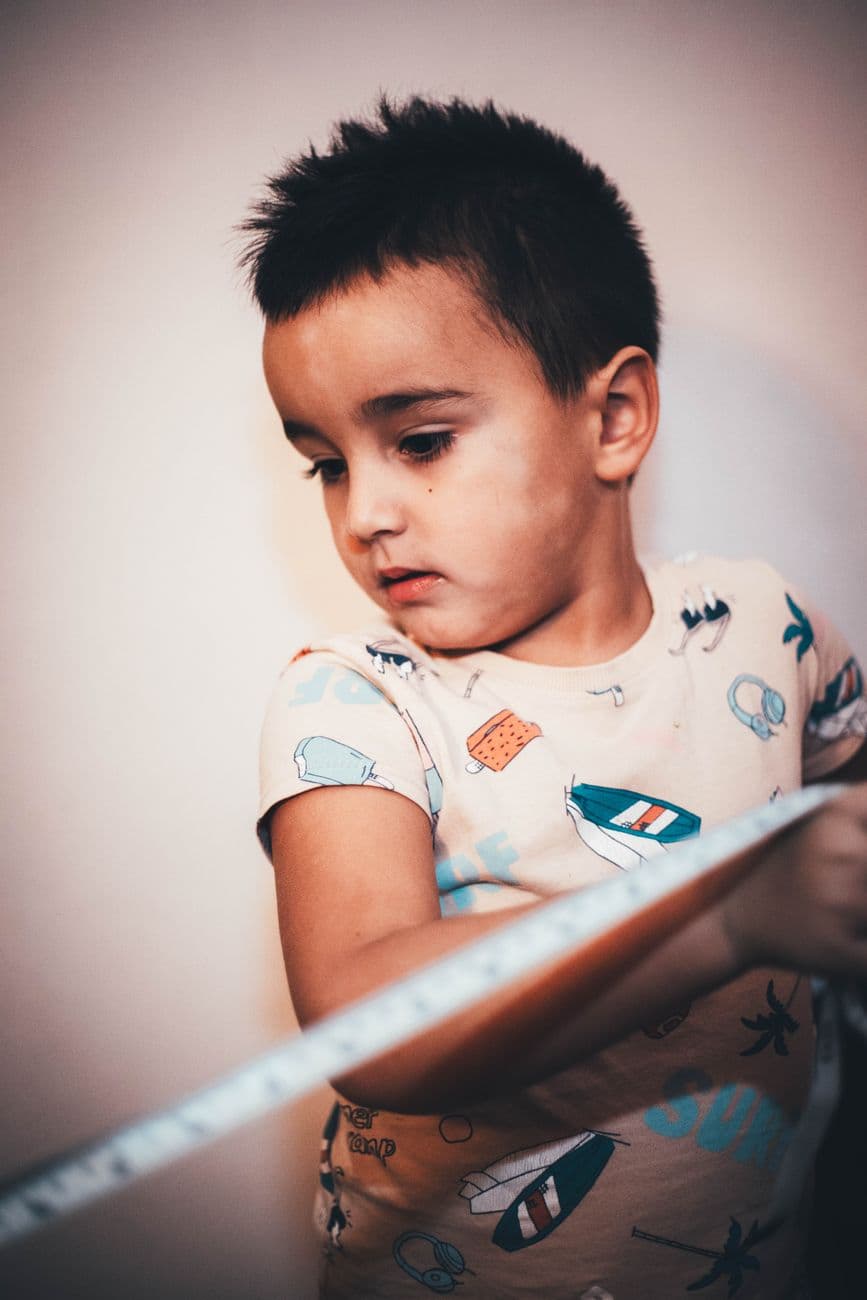
Measure standing
Always trace and measure with the child standing to capture true length and width.
Add growth allowance
Add 6-12 mm depending on age so shoes fit now and next season.
Match internal length
Use the final internal length to compare with brand size charts when you shop.
Why measuring correctly matters
Growing feet change fast. We’ve helped many families choose shoes that fit now and still feel good after a week of play. A correct measurement reduces rubbing, prevents hurried returns, and helps you pick a style that works for your boy’s foot shape. This page shows a calm, step-by-step method you can follow with a ruler and pencil - no special tools required.
When to measure
- Measure at the end of the day - feet are slightly larger after activity.
- Measure while your child is standing (weight-bearing) to capture the true length and width.
- Re-measure every 8-12 weeks for toddlers and every 3 months for older kids - growth varies.
What you’ll need
- A sheet of paper larger than the foot, a pencil, a ruler or measuring tape.
- One pair of socks your child will normally wear with those shoes (thin sports socks are common for school shoes).
- Help from someone else if your boy won’t stand still - it makes the tracing more accurate.
Step-by-step: measure length and width
Follow these exact steps to get reliable measurements you can use with size charts and product filters when shopping.
1. Prepare and position
Place the paper on a hard floor against a wall. Have your boy stand with his heel lightly touching the wall and weight evenly distributed. If you’re measuring both feet, measure the larger foot and use that size for buying.
2. Trace the outline
Hold the pencil vertically and trace around the foot, keeping the pencil close to the skin but not angling underneath. Keep the child standing - a seated trace will underestimate length and width.
3. Measure the length
Draw a straight line from the heel point to the tip of the longest toe. Measure that line to the nearest millimetre. Record the measurement in millimetres (mm) or centimetres (cm). If you measure in cm, record one decimal place (for example 18.7 cm).
4. Measure the width
Find the widest points of the forefoot on your tracing (usually across the ball of the foot). Draw a straight line between these points and measure across. Width helps decide rounded versus narrow shoe lasts and whether you might choose adjustable fastenings like laces or straps.
If the two feet differ, always use the larger measurement as your buying reference.
5. Add allowance for movement
For growing boys we recommend adding 6-12 mm of extra length (about a thumb’s width) depending on age and growth speed: younger children and toddlers need more room to grow (closer to 10-12 mm); older kids (school age) often do well with 6-8 mm. Note this is for length only - width allowance should be modest and based on how snug the tracing felt.
Write down the final recommended internal length (foot length + allowance). This is the number you’ll match to size charts when shopping for Kids shoes.
Quick checklist before you buy
- Measured standing, with socks on, both feet checked.
- Added appropriate growth allowance (6-12 mm).
- Checked width and noted if a wide fit is needed.
- Kept the measurement for reference next time.
How to use your measurements when choosing shoes
Different brands and styles use different internal lasts. Rather than relying only on age or a numbered size, compare your final internal length (mm/cm) to the brand’s size chart. If a product lists internal length, match it directly; if it lists standard shoe sizes, convert using the brand chart or try the next half-size up if the foot is between marks.
Choosing by activity and fastening
For busy boys we recommend prioritising fastening and sole type as much as size: Velcro or quick-lace systems suit kids who need independence, while lace-up shoes offer the best adjustability for narrow-to-wide feet. For everyday school wear choose a flexible sole with a bit of energy return; for sports look for extra forefoot room and breathable uppers.
What to check when the shoes arrive
- With shoes on and laced as usual, check there is roughly a thumb’s width (about 6-12 mm) between the longest toe and the front of the shoe.
- The heel should sit comfortably with no slipping; a slipping heel often means the shoe is too big or the fastening isn’t tight enough.
- Walk on a hard floor - the shoe should bend near the ball of the foot, not at the midsole.
Sizing notes for common situations
If your boy will wear thicker socks (for winter) add a little more allowance. If you prefer a snug, sock-like fit for sports trainers, use a leaner allowance (6 mm) but ensure width is comfortable. When buying online, keep delivery and return times in mind - we find parents appreciate buying two pairs (one immediate, one slightly larger) for fast growers, then returning the unneeded pair if it doesn’t fit.
Local examples and where to go next
In South African schools children often switch between formal shoes and sport shoes. Measure with the socks they will wear for the intended use. For more advice about children’s shoe styles and care, see our Kids articles, and browse our range of Sneakers for practical, everyday options.
A quick tip from our experience: keep a simple measurement card (paper with foot trace and date) in the family drawer. When shoes feel tight, compare the new fit to the dated trace to decide whether it’s growth or an incorrect style.
Troubleshooting common fit problems
- If the heel slips but length is correct, try a different width or a lace-up style for better hold.
- Red marks after short wear can mean too narrow or stiff materials; choose softer uppers or a wider last.
- If one foot is noticeably longer, size to the larger foot and use insoles if needed for balance.
When to see a specialist
If a child experiences persistent pain, unusual toe shape, or walking difficulties, consult a healthcare professional. Most fitting issues resolve with a better-fitting pair, but persistent problems deserve assessment.

Performance Marketing Lead at Bash, with a background in marketing from UNISA and years spent driving paid search strategy at leading e-commerce brands like takealot.com, I focus on data-driven growth, Google Ads optimization, and scaling digital performance.
Disclaimer: This content is for educational purposes only. Product availability, pricing, and specifications are subject to change. Always verify current details on the retailer's website before making a purchase.
Sources
- NHS - Children’s foot problems
- American Academy of Pediatrics - Proper footwear for children
- South African health provider resources


