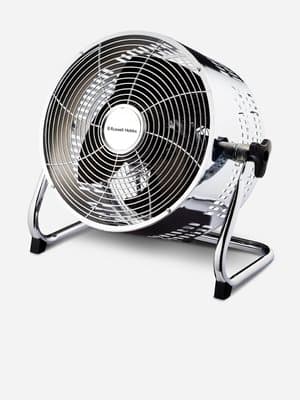
Russell Hobbs heater lineup compared: models, room sizes and key specs
Compare Russell Hobbs heater types, suggested room sizes, control features and running-cost tips. Practical, South Africa-focused advice to pick the right model.
Match heater to the room
Fan/convector for quick warmth; oil-filled for steady, quiet heat.
Controls save running cost
Thermostat, timer and ECO modes reduce cycles and energy use.
Safety first
Choose tip-over protection, overheat cut-out and bathroom-safe ratings.
How we think about a Russell Hobbs heater
We look at three practical questions when comparing Russell Hobbs heaters: what type of heater it is (fan/convector, panel, oil-filled), how much space it can warm comfortably, and the controls/features that make everyday use simpler. Below you’ll find a compact comparison table that contrasts representative Russell Hobbs product styles so you can quickly see which style fits a bedroom, livingroom or small open-plan area.
Quick comparison: heater styles in the Russell Hobbs range
| Feature / Use | Russell Hobbs fan / convector models | Russell Hobbs oil-filled radiator models |
|---|---|---|
| Typical use-case | Quick spot-warming (bathroom, small lounge, study). | Longer, gentler heat for bedrooms and medium livingrooms. |
| Room size guidance | Up to ~12 m² for fast warming; depends on insulation. | Best for 10-20 m² with steady, residual heat. |
| Controls & runtime behaviour | Often variable fan speeds, thermostat or ECO modes; stops quickly when off. | Thermostat with long warm-up and slow cool-down; maintains temperature with low cycles. |
Why choose one style over another
Fan and convector models are our go-to when we need fast, direct warmth - for example, a chilly bathroom in the morning or a small study while we work. Oil-filled radiators are better when we want a quieter, more consistent warmth for sleeping or long evenings in the livingroom. Russell Hobbs sells both styles across compact and taller form factors, so we can prioritise portability, quiet operation, or steady economy depending on the room.
Thinking about power: most household electric heaters sit between 1 000 W and 2 400 W. For an average South African room with reasonable insulation, a 1 500 W model often suits a small bedroom. For larger spaces or poor insulation, we look to higher output or multiple units. Remember that higher wattage means faster warm-up but higher instantaneous electricity draw.
If you want to browse current Russell Hobbs heaters and compare models directly, check our Heaters category on Bash. For a deeper read on how heater types differ, our Electric heater primer is a useful companion.
Links:
Matching Russell Hobbs models to real South African rooms
Here are experience-based matchups we use when advising customers in South Africa. These assume typical daytime schedules and that the house has average insulation (single-glazed windows, standard ceilings). Adjust up if you have large windows, high ceilings or poor insulation.
Small bedroom or nursery (6-12 m²)
What we choose: a compact Russell Hobbs fan/convector with a thermostat and timer. Why: fast warm-up in the hour before bed, a timer to turn off once the room reaches a comfortable temp, and light weight to move between rooms. Expect short on/off cycles and quick cooling when turned off.
Medium livingroom or dining area (12-20 m²)
What we choose: an oil-filled radiator or a larger convection unit. Why: quieter operation and residual heat after the heater cycles off give steady comfort during evening family time. With an oil-filled radiator set to a lower thermostat the unit runs in longer, gentler cycles - useful during load-shedding evenings when we want lasting warmth from shorter heating periods.
Bathroom and short-use spots
What we choose: small wall-safe fan heaters or quick convectors designed for bathrooms. Why: immediate warmth around the mirror and shower area. Always check IP ratings and positioning to comply with safety guidelines for wet rooms.
Practical tip: use a plug-in timer for short morning routines rather than leaving a heater running all day. That reduces running cost and keeps the heater’s lifespan longer.
Controls, safety and running cost notes
Controls matter. We favour Russell Hobbs units with a clear thermostat, an ECO setting, and an accurate timer. These let us reduce average draw while keeping comfort. From a safety angle, look for tip-over protection, overheat cut-out and, for bathrooms, IP-rated units or specific bathroom-safe models.
Running cost example (estimate): a 1 500 W heater operating for one hour draws 1.5 kWh. If your electricity tariff is around R3.00/kWh, that’s ~R4.50 per hour. If you run a heater for three hours each evening, expect ~R13.50 per day - adapt this for your tariff and daily use. These are estimates only; actual costs vary by model efficiency and local tariffs.
How we choose when shopping on Bash
When we pick a Russell Hobbs heater on Bash we check: the listed wattage and suggested room size, whether a thermostat and timer are included, stated safety features, and customer feedback on noise and build. Use filters on the Heaters category to narrow to fan, convector or oil-filled styles and compare specs side-by-side.
If you’re unsure, start with a smaller, portable model you can move between rooms. If you need longer-term warmth for sleep and evenings, choose an oil-filled radiator for quieter, steady heat.

Performance Marketing Lead at Bash, with a background in marketing from UNISA and years spent driving paid search strategy at leading e-commerce brands like takealot.com, I focus on data-driven growth, Google Ads optimization, and scaling digital performance.
Disclaimer: This content is for educational purposes only. Product availability, pricing, and specifications are subject to change. Always verify current details on the retailer's website before making a purchase.
Sources
- Russell Hobbs - official product information
- Eskom - understanding electricity tariffs and usage
- South African Bureau of Standards (SABS) - appliance safety standards