
Patio heater: choosing the right outdoor heater for South African patios
Learn how to choose between gas and electric patio heaters for South African patios. Practical siting, safety, running-costs and maintenance advice.
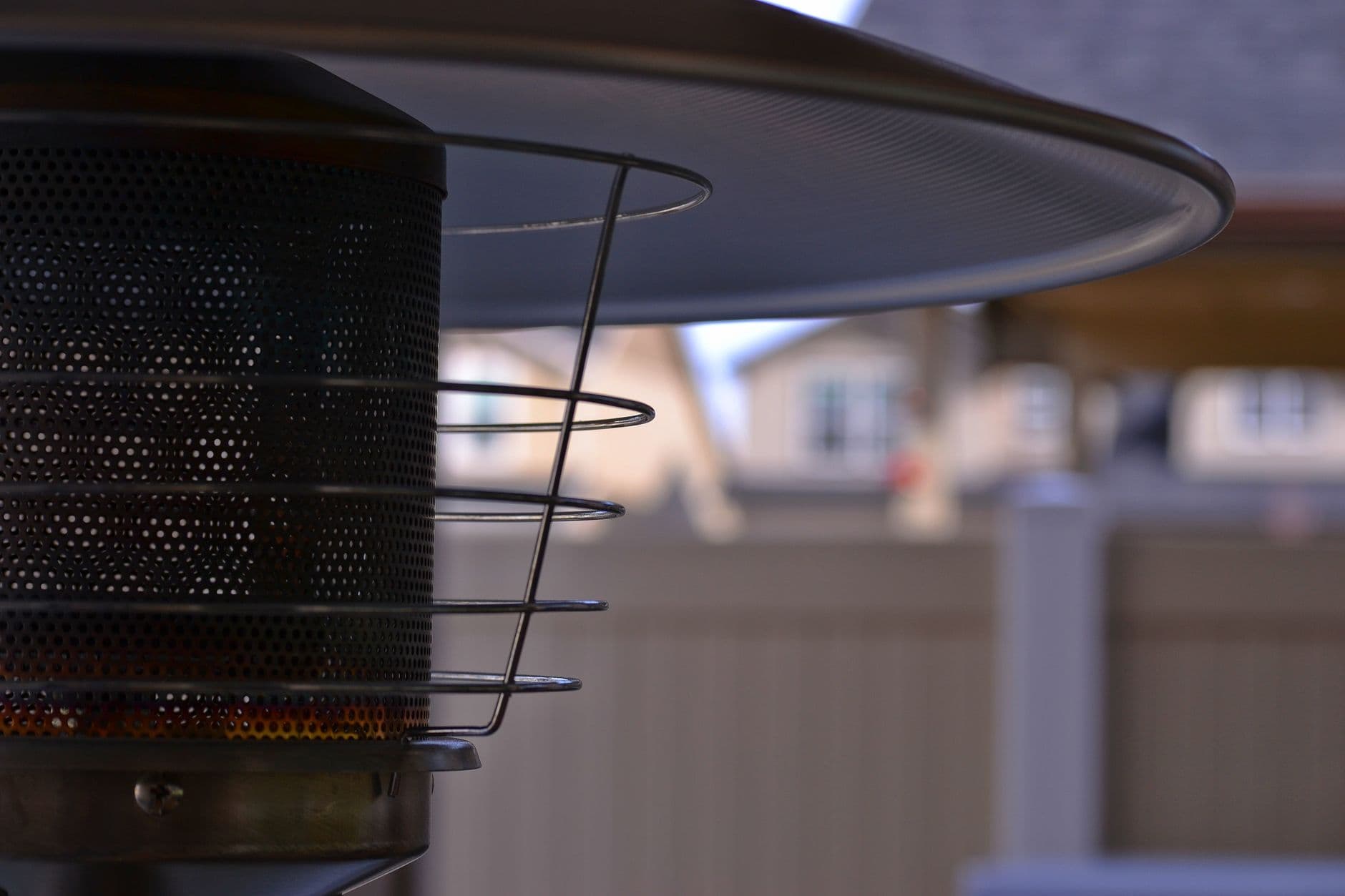
Pick by space type
Gas for open yards, electric infrared for covered patios and pergolas.
Plan for safety
Keep clearances, fit outdoor-rated units, and follow installation rules.
Manage running costs
Use targeted heat and short bursts to keep monthly costs reasonable.
Why choose a patio heater for your outdoor space
We often hear from customers who want to keep evening braais, small patios and covered verandas comfortable through cooler months. A patio heater extends the season for outdoor living without expensive renovations, and it can be a better fit than moving people indoors when you want fresh air. In this guide we explain how patio heaters work, compare the main types, and give practical advice for safety, running cost and siting so you can make a confident choice.
Patio heater types at a glance
- Gas freestanding heaters - tall, portable units using LPG (propane or butane).
- Electric infrared heaters - wall- or pole-mounted units that emit radiant heat.
- Electric element heaters - fan-assisted or convector types adapted for outdoor-covered areas.
- Built-in or tabletop tabletop models for small covered patios or sheltered spaces.
Quick comparison table: patio heater options
| Feature / Dimension | Gas freestanding patio heater | Electric infrared patio heater |
|---|---|---|
| Typical use case | Open patios, braai areas where portability and quick heat are needed. | Covered patios, pergolas, restaurants where directed radiant heat is preferred. |
| Ease of installation | Plug-and-play with cylinder; no wiring but needs safe storage for gas bottle. | Requires permanent mounting and electrical connection; professional install recommended for hardwired models. |
| Running cost (estimate) | Moderate - typical cylinder use; expect R150-R400 per month depending on occasional use and cylinder prices. | Lower for short bursts - electricity cost varies; estimated R80-R300 per month depending on wattage and use patterns. |
How these differences matter for South African patios
The right choice depends on how open your space is and how you use it. Gas heaters shine in open-air braai spots because they quickly heat the surrounding air and don’t rely on a roof to reflect heat. Electrically driven infrared heaters work best where there’s a roof or partial enclosure to reflect radiant heat back to people - a common setup for covered verandas in our neighbourhoods. If you plan to host small groups regularly or run seating for guests, a mounted infrared unit gives a steady, directional warmth that makes people comfortable without heating the whole yard.
Where we typically suggest each type
- Gas freestanding: short-term, portable warmth and where mains electricity is inconvenient.
- Electric infrared: long-term, low-visibility solution for covered patios and semi-enclosed restaurant terraces.
- Fan/convector electric: only for very sheltered covered spaces; otherwise energy is wasted outdoors.
If you want to browse products while you think, our Heaters category has a range of patio and outdoor heaters we carry. Heaters
Safety, siting and local rules
Safety is the simplest way to avoid regrettable choices. For gas heaters we recommend a clear zone around the cylinder and unit, away from overhanging thatch or low rafters. Check that any mounted electric heater is rated for outdoor or damp locations - ratings and IP class matter. When in doubt, choose a model explicitly described as suitable for covered outdoor use.
Practical safety checklist
- Keep LPG cylinders upright and stored in a ventilated space when not connected.
- Maintain at least 1 metre clearance above and to the sides of units (follow the manufacturer instructions).
- Hardwire installations should be performed by a qualified electrician; portable electrics should use outdoor-rated plugs and sockets.
- Consider flame guards or powder-coated shields for units near children and pets.
If you use a covered pergola, mounting an infrared heater above the seating gives efficient, direct warmth with less energy used than trying to heat the full surrounding air volume. For fully open yards where wind is common, gas units with wind-protecting domes give more usable warmth per cylinder.
We also recommend checking municipal bylaws or complex rules about open-flame appliances - some communal spaces restrict open-flame heaters for safety. If permanent mounting is planned, include that decision in any body corporate or landlord conversation early on.
For inspiration on outdoor furniture and layout that works with heaters, our Garden & Outdoor category shows tables and outdoor seating that pair well with mounted or freestanding heaters. Garden & Outdoor
Running costs, maintenance and lifetime considerations
We want choices that feel sensible month to month. Running cost depends on how often you run the heater and what you’re replacing. For occasional weekend use a gas cylinder may be cost-effective: expect a full 9kg LPG cylinder to last several uses, but prices vary - typical cylinder refill costs can range widely, so budget R150-R400 monthly for casual users. Electric infrared heaters draw from 900W to 2 000W per unit; short, targeted use (a few hours at a time) keeps electricity costs reasonable. Always consider how many units you’ll need to cover the seating area.
Maintenance tips we recommend
- Gas units: inspect hoses and regulators at the start of winter and replace parts showing wear; check for leaks with soapy water test.
- Electric units: keep reflectors and elements clean; dust reduces performance. Ensure mounted units remain firmly fixed and wiring is intact.
- Store portable heaters in a dry place out of direct weather when not in use; cover permanently-mounted units if they’re exposed to coastal salt spray.
Choosing the right size and number of heaters
Rather than oversized single units, we often favour a distributed approach: two smaller mounted infrared panels can give more even warmth than one large heater. For freestanding gas units, one heater typically covers a circular area of 2-3 metres in radius in still conditions - wind will reduce this effective range. If you plan to use your heater mainly for evenings with light breezes, consider extra wind protection like screens or heavier textiles to keep heat local.
Where we suggest looking first on Bash
Start with the product type that fits your space: for covered verandas browse electric infrared and wall-mounted options listed under our Heaters category. If you want portability, filter the heaters list for freestanding patio heaters and LPG-compatible models. If you’re updating an outdoor seating area, check our Garden & Outdoor selection for weather-rated tables and seating that don’t block heater coverage. Electric heater technologies explained
Real-world examples and budget scenarios
Example 1 - Small covered patio for family dinners: two mid-power infrared panels (roughly 1 000-1 500W each) mounted above the seating give immediate, even warmth with modest electricity use. Example 2 - Open braai courtyard used on weekends: one or two freestanding LPG heaters give quick heat and can be moved where people gather. Example 3 - Guest seating for a small bistro: hardwired infrared panels create a tidy look and avoid cylinders in sight while giving reliable warmth for customers.
Price signals we see: entry-level electric infrared panels commonly start in lower R bands, while commercial-grade hardwired systems and designer freestanding gas units can be R3 000-R8 000 or more. For many homes a R1 500-R4 000 range covers solid, reliable options - choose based on siting, finish and installation needs.
Our practical buying checklist
- Confirm your space type (open, covered, partially enclosed).
- Decide between portability (gas) and permanence (electric infrared).
- Check installation requirements and any body corporate rules.
- Budget for installation and ongoing fuel or electricity costs.
- Look for outdoor ratings, IP class and clear safety instructions.
If you’d like to explore suitable models, our Heaters category is a good starting point - you can filter by type, mounting style and price to match your situation. Heaters
Quick tip: measure the seating area and place heaters so people face the reflective surface (for infrared) or sit within the effective radius (for gas). Targeted heat is more efficient than trying to warm the whole yard.

Performance Marketing Lead at Bash, with a background in marketing from UNISA and years spent driving paid search strategy at leading e-commerce brands like takealot.com, I focus on data-driven growth, Google Ads optimization, and scaling digital performance.
Disclaimer: This content is for educational purposes only. Product availability, pricing, and specifications are subject to change. Always verify current details on the retailer's website before making a purchase.
Sources
- South African Bureau of Standards (SABS)
- National Energy Regulator of South Africa (NERSA)
- Eskom - household electricity information


