Robert Welch cutlery: what to know before you buy in South Africa
Practical South Africa-focused guide to Robert Welch cutlery - how to compare collections, care for finishes, and choose the right set for your home.
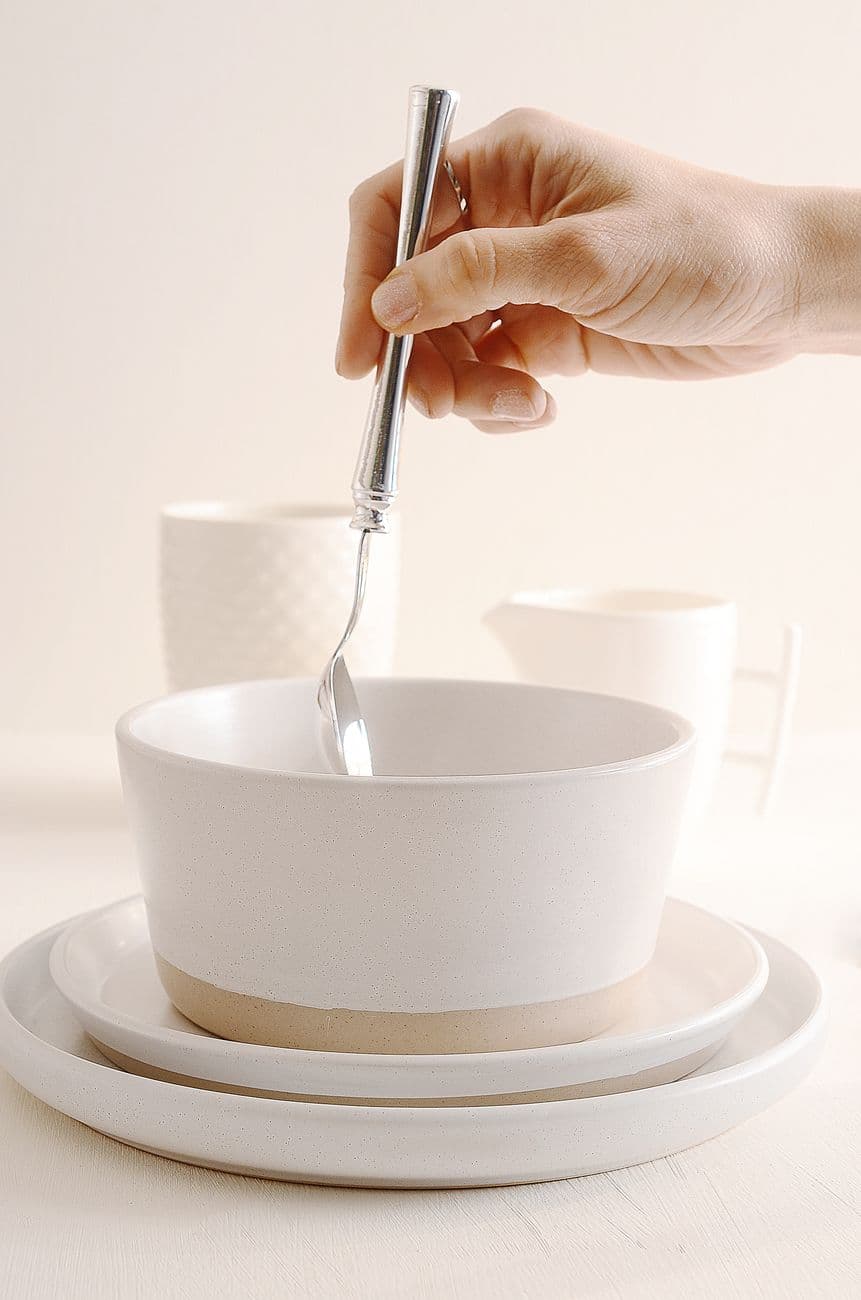
Designer vs everyday
Designer cutlery offers balance and tabletop presence; mainstream sets prioritise cost and durability.
Practical care
Rinse soon, remove from dishwasher promptly in hard-water areas, and hand-dry satin finishes.
Buy what you use
Choose set size based on real place-settings and look for spare-piece availability.
Why Robert Welch cutlery matters for South African kitchens
We understand that buying cutlery is more than style - it’s about how a set lives with us: on our counter, through weekday meals, and at the occasional dinner with family. Robert Welch has a long design history: clean, sculpted handles and accessible modern lines that work well with local table settings. In this guide we focus on what matters practically in South Africa - materials, long-term care, how a Robert Welch piece compares to mainstream stainless sets, and the buying choices that make sense for different households.
How to read Robert Welch product lines
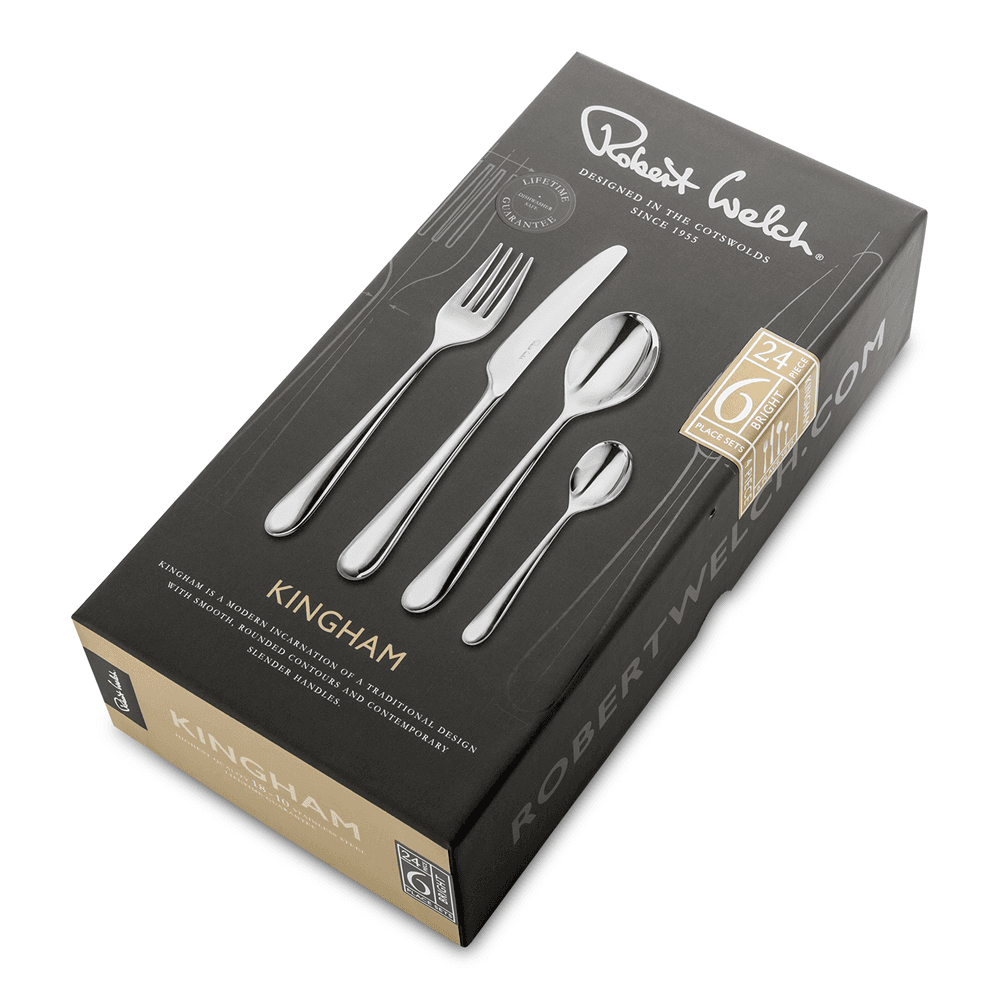
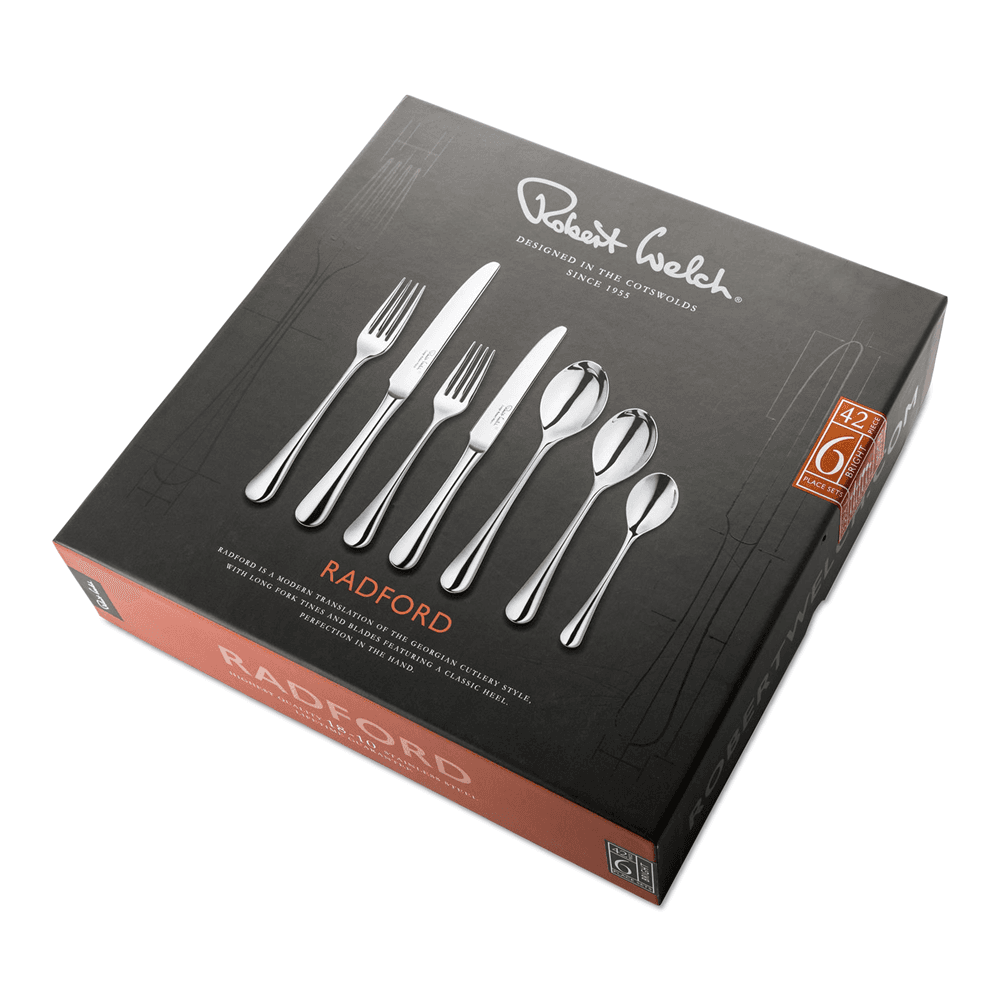
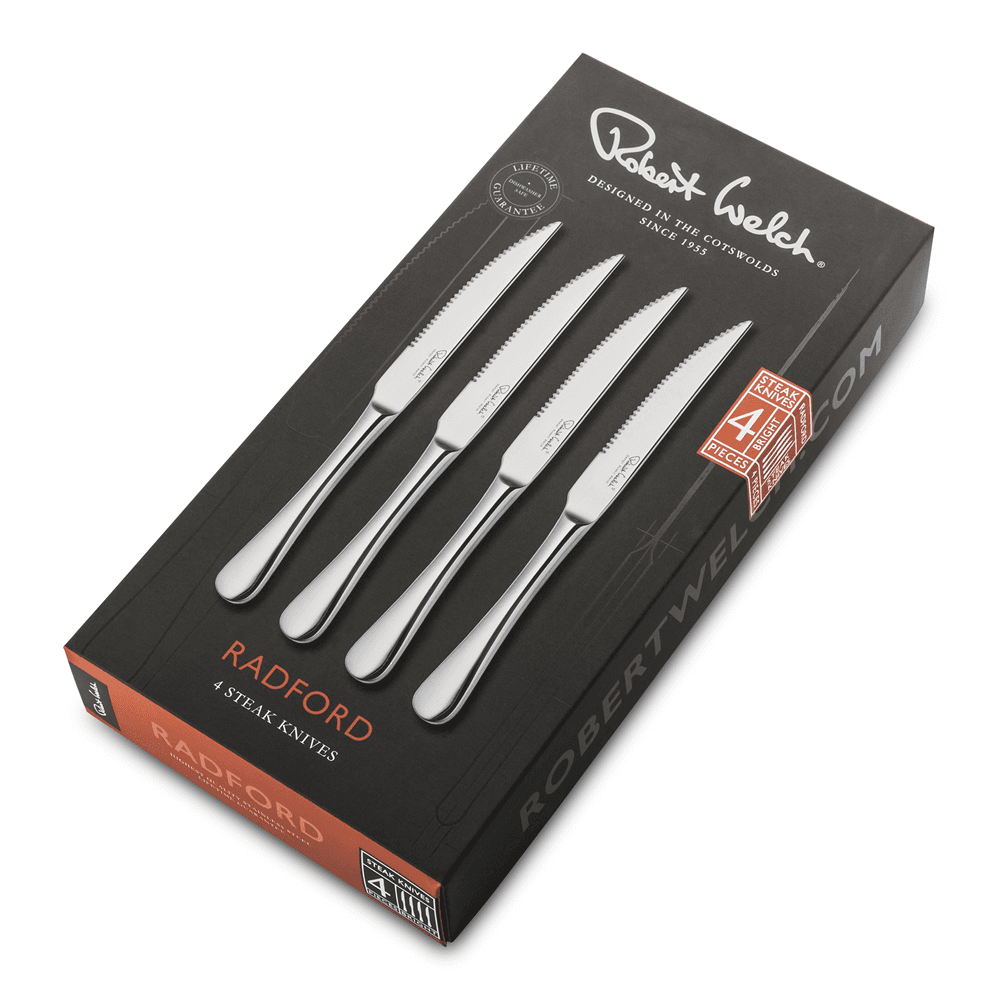
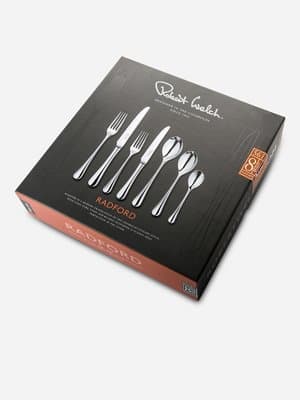
Robert Welch cutlery is usually presented as designer collections (for example, the Classic or Signature ranges) rather than anonymous mass-market sets. Collections vary by profile (weight and balance), finish (mirror or satin), and the mix of pieces in a set. We recommend checking the product page for each collection to confirm what’s included - a 24-piece set often covers six place settings, but some designer ranges use different piece mixes. For a browse that helps you compare ranges, see our Cutlery category.
Key questions to answer before you choose
- How often do we entertain? (Daily household use favours heavier, durable stems.)
- Do we want a matching look with our plates and serving pieces?
- Will we keep cutlery in a drawer organiser or on counter display?
- Are dishwasher-safe finishes important to our routine?
Quick practical comparison
| Feature | Robert Welch (designer collections) | Mainstream stainless alternative |
|---|---|---|
| Typical use | Everyday and formal - refined balance, designed for table presentation. | Everyday-first; often lighter and focused on cost-effectiveness. |
| Finish and care | Mirror or satin finishes; follow gentle dishwasher advice - hand dry to avoid water spots. | Usually mirror-finish 18/10 stainless; generally dishwasher-friendly but can dull over years. |
| Price (approx.) | Design ranges often sit in the mid-to-premium band: approx R1 200 - R4 500 for common set sizes (estimate). | Mass-market sets typically R400 - R1 500 for comparable piece counts. |
What that comparison means for you
Designer cutlery like Robert Welch’s is about a small premium for design, weight and longevity. If you value a sculptural handle and a set that reads as part of a table composition, a designer collection is a sensible investment. If budget and high-turnover are key, mainstream stainless gives similar day-to-day performance for less cost.
We suggest matching your choice to how you use your kitchen. If you keep plates on a counter or entertain regularly, consider a design-led set for the visual payoff. For busy households with children, a more robust, lower-cost everyday set may be preferable.
Sizing and set composition - a practical checklist
- Count real place settings: do you normally set for 2-4 people, or more? A 16-piece often covers 4 everyday settings; 24-piece covers six.
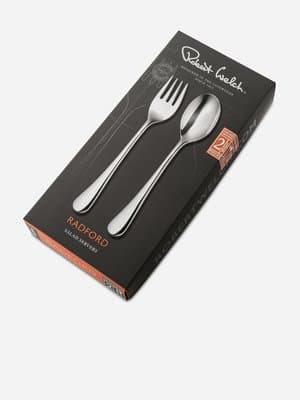
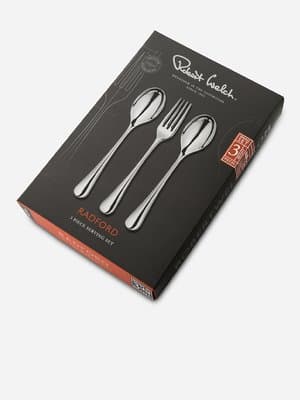
- Look at included serving pieces - some designer sets omit serving spoons or cake forks; you may want to add them separately.
- Check handle profiles in photos and product specs - wider handles sit better in hands used to heavier tableware.
For browsing related tableware (dinnerware and serveware that pairs with designer cutlery), explore our Kitchen & Dining category to see coordinated options and complementary ranges.
Buying and care tips specific to South African kitchens
South African water hardness varies by region and can affect how stainless finishes age. Here are steps we use to keep cutlery looking its best:
- Rinse or remove food soils soon after use - acidic foods (tomato, fruit) left on cutlery can mark finishes over time.
- If using a dishwasher, place cutlery in the basket with handles down for better cleaning; remove and dry within an hour to prevent water spots in hard-water areas.
- For satin finishes, avoid abrasive scouring pads - a microfibre cloth and mild detergent preserve texture.
How to evaluate set value - an experienced approach
Price alone doesn’t tell the full story. Consider these practical value points:
- Cost per usable place setting: divide the set price by the number of place settings you actually use.
- Replacement policy and availability: designer lines may have individual spare pieces available from authorised stockists, which matters if you lose a fork.
- Pairing flexibility: a neutral-profile set pairs with patterned dinnerware and is easier to keep for years.
To take action when you’re ready, we recommend starting with a focused search of designer ranges and everyday options in one place. If you want design-led cutlery alongside coordinated tableware, try browsing our Home hub or return to the Cutlery category to compare sizes and collections quickly.
Examples of typical buying decisions
Here are three everyday scenarios and the cutlery choices that match them:
- Small household (1-2 people): A compact 16-piece designer set or a 16-piece mainstream set - saves counter space and suits daily use.
- Family home (3-5 people): A 24-piece designer set if you want table presentation, or a 24-piece everyday stainless set for durability and lower replacement cost.
- Frequent entertainers: Mix a designer 24-piece set for the table with a durable everyday set for casual meals and children.
Where to buy and what to check
We recommend buying from authorised stockists so you can access spares and guarantee authenticity. When viewing product pages, check:
- Material specification (e.g., 18/10 stainless steel) and finish description.
- Set composition (which pieces are included and how many place settings the set serves).
- Spare parts availability and return policy.
Final thoughts - balancing design and daily life
Robert Welch cutlery brings designer balance and a polished table presence. In South Africa, the practical questions - how often you entertain, local water hardness, and whether you want spares - determine whether the designer premium is worthwhile. For a careful, calm shopping experience that balances design with utility, start by comparing collections in our Cutlery category and explore matching tableware in Kitchen & Dining.
Ready to shop? Browse Cutlery to find the right option for you.

Performance Marketing Lead at Bash, with a background in marketing from UNISA and years spent driving paid search strategy at leading e-commerce brands like takealot.com, I focus on data-driven growth, Google Ads optimization, and scaling digital performance.
Disclaimer: This content is for educational purposes only. Product availability, pricing, and specifications are subject to change. Always verify current details on the retailer's website before making a purchase.
Sources
- Robert Welch official site
- Dezeen - design coverage and product launches
- South African homecare advice and product maintenance resources