A step-by-step cutlery buying guide for first-time South African homeowners
A practical, step-by-step cutlery buying guide for first-time homeowners in South Africa - choose materials, set size and care tips to match your life and kitchen.
Start with needs
Choose set size by household and hosting frequency for immediate usefulness.
Material matters
18/10 stainless balances durability, care and price for daily South African kitchens.
Buy in stages
Get a starter set first; add serving pieces and upgrades over 6-12 months.
Why a simple, step-by-step approach matters
Moving into a new place means decisions everywhere. For many first-time homeowners, cutlery is one of the first small purchases that quickly becomes part of daily life. We focus on a step-by-step method so you can choose cutlery that looks right on your countertop, works with your routine, and gives long-term value without over-complicating the choice.
Step 1 - Decide how you’ll use it
Start by listing how you eat and host. Do you mostly cook for yourself, share meals with a partner, or expect occasional visitors? For one or two people a compact 24-piece set often covers everyday needs (table, salad, teaspoons); for small households we suggest a starter 16-24 piece range. If you entertain often or plan to host larger gatherings, bump up to 40-60 pieces or supplement with serving cutlery later.
Quick checklist
- Daily meals per household member
- How often you host (weekly, monthly, rarely)
- Dishwasher use and storage space on your countertop or in drawers
Step 2 - Pick a material that matches daily life
Material determines durability, feel and care. For South African homes we most often recommend stainless steel because it resists rust, is affordable, and works in dishwashers. Here are the practical options and where we usually place them in a buying plan:
- 18/10 stainless steel: Best balance of corrosion resistance and finish; good for daily use and occasional hosting.
- 18/0 stainless steel: Affordable and sturdy, slightly less corrosion-resistant - fine if you dry items promptly and avoid long soaking.
- Silver-plated or sterling: Reserved for special occasion sets; heavier care and higher cost.
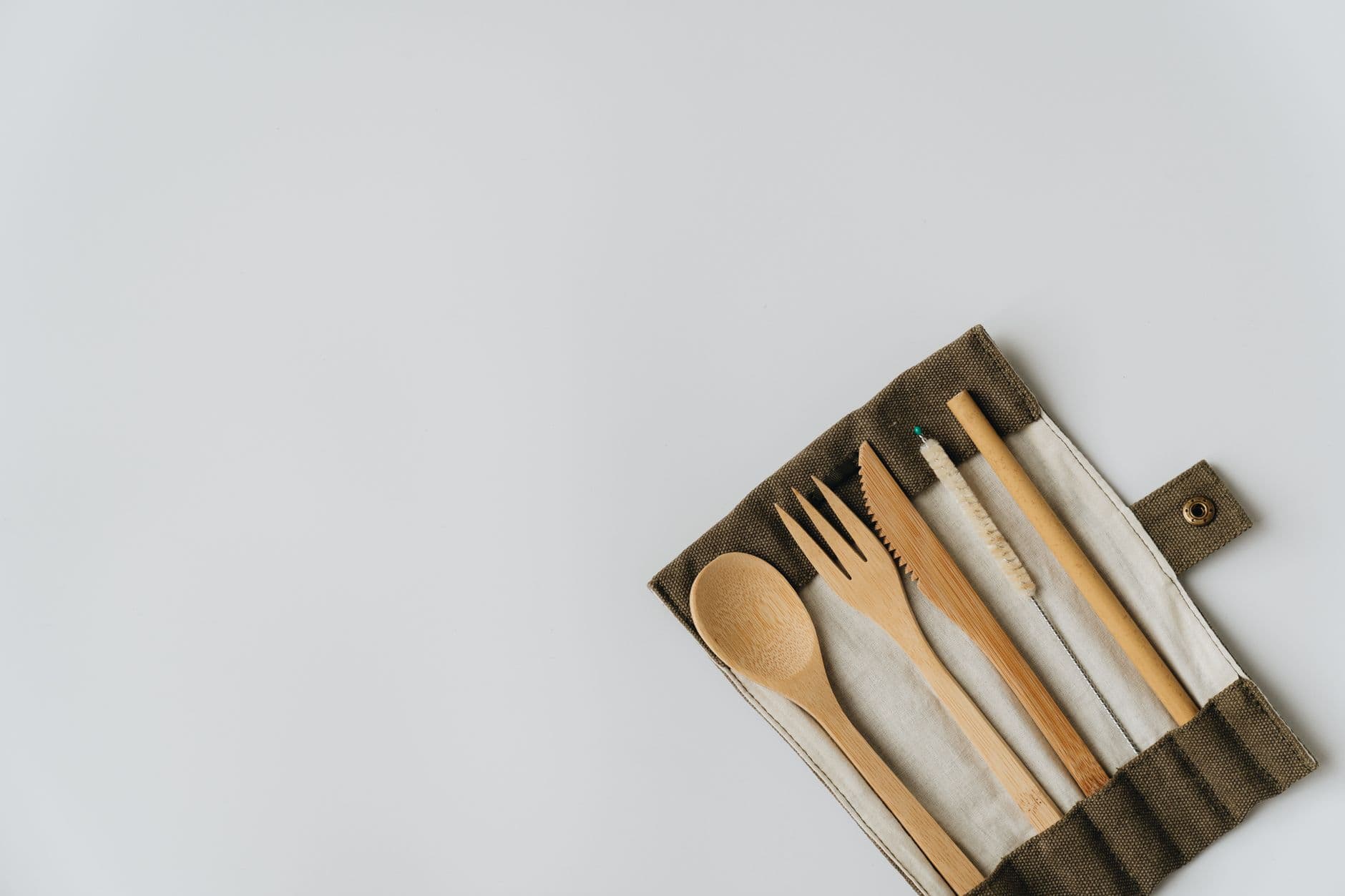
- Wood-handled or mixed materials: Stylish, but check care instructions - some are not dishwasher-safe and can need more storage consideration.
Step 3 - Choose a style and handle feel
Style affects how the set sits on your countertop and in your hand. For first-time homeowners we recommend a modest, versatile style: a matte or polished finish with a medium-weight handle that feels balanced when you hold it. If you prefer a specific interior look (minimal, vintage, or contemporary), choose a finish that works with plates, glassware and your table setting. Keep in mind: simple lines usually stay relevant longer than trend-led motifs.
Step 4 - Decide on the set composition
Sets vary a lot. A sensible starter set for a couple or small household usually includes:
- Table forks, knives and spoons
- Salad/dessert forks
- Teaspoons
- Service spoon or two (optional)
If you eat a lot of braai-style meals or share platters, add serving tools and braai utensils later - these are cheaper to add individually than to buy an oversized set up front.
How to compare - a simple materials and use table
| Feature | 18/10 stainless steel | 18/0 stainless steel |
|---|---|---|
| Durability and rust resistance | High - resists stains and frequent dishwashing. | Good - more prone to spotting if left wet; avoids long soaks. |
| Typical price band | R300-R1 200 for starter sets (varies by finish and brand). | R200-R800 for starter sets (budget-friendly). |
| Care and maintenance | Dishwasher-safe; dry quickly to keep shine. | Hand-washing recommended for best finish longevity. |
Why we include this comparison
This table helps you match realistic price bands and care needs to the way you live - for many first homes, the durability and low maintenance of 18/10 is worth the slightly higher price.
Where to place your purchase on the timeline
We recommend staging your purchases: buy a practical starter set first, then add special pieces over 6-12 months as your routine and hosting needs become clearer. This spreads cost and reduces impulsive buys that don’t fit your home later.
What to check before you buy (a short pre-purchase test)
- Feel: hold a fork and knife - they should feel balanced in hand.
- Finish: check for smooth joins at the handle and head; rough edges indicate poor finishing.
- Weight: medium weight usually feels substantial without being clumsy.
- Dishwasher label: confirm dishwasher-safe if that’s your plan.
We also encourage checking the warranty or return policy - many sets that look similar have very different guarantees.
Links to explore on Bash
When you’re ready to look, explore our Cutlery category for options that match the steps above: Cutlery. For broader kitchen essentials and appliance pairings, check our Kitchen & Dining hub.
Practical examples for South African homes
Example 1 - A young professional couple in an apartment: buy a 24-piece 18/10 stainless starter set (approx R450-R900). Choose polished finish and medium-weight handles so the set works with simpler plates and occasional guests. Keep extra serving pieces in a small drawer organiser.
Example 2 - A small family that hosts weekly: invest in a 40-60 piece 18/10 set to cover children’s meals and visitors. Add a separate set of braai service tools from our Garden & Outdoor range for outdoor entertaining. This avoids overloading table service and keeps the dining setup flexible.
Storage and countertop considerations
Measure your drawer depth before buying a cutlery tray. If drawer space is limited, consider a slim 24-piece set and keep extra pieces in a storage box labelled by type - this protects finish and makes daily life easier. If you leave items to dry on the countertop, choose finishes that show water spots less readily (matte or brushed finishes hide marks better).
Cost-saving tips without sacrificing quality
- Buy a reliable starter set and purchase single high-quality serving pieces later.
- Watch for sales around public holidays - sets can drop by 20-40% during promotions.
- Consider mix-and-match: pairing a good-quality table set with a cheaper everyday set for kids keeps wear even.
Caring for your cutlery so it lasts
Use mild detergent, avoid prolonged soaking of mixed metals, and dry promptly when possible. For wooden-handled items, follow the manufacturer’s care instructions. Small habits - like removing acid foods quickly and avoiding steel wool - extend life considerably.
Final step-by-step recap
- Step 1: Note household size and hosting frequency.
- Step 2: Choose material (we usually recommend 18/10 stainless steel).
- Step 3: Select a handle style and finish that matches your kitchen.
- Step 4: Buy a starter set sized to your immediate needs, add serving pieces later.
- Step 5: Check feel, finish and dishwasher labelling before purchase.
We know moving into a first home comes with many choices. By following these steps you’ll make one decision that is simple, practical and durable - cutlery that sits well on your countertop and serves your everyday life.

Performance Marketing Lead at Bash, with a background in marketing from UNISA and years spent driving paid search strategy at leading e-commerce brands like takealot.com, I focus on data-driven growth, Google Ads optimization, and scaling digital performance.
Disclaimer: This content is for educational purposes only. Product availability, pricing, and specifications are subject to change. Always verify current details on the retailer's website before making a purchase.
Sources
- Cutlery
- Kitchen & Dining
- South African Bureau of Standards (SABS)
- Consumer Goods Advice - Consumer Protection in South Africa