
Organic cotton bedding benefits: why choose organic for your bedroom
Learn the benefits of organic cotton bedding for comfort, skin sensitivity and sustainability. Practical buying and care tips for South African households.
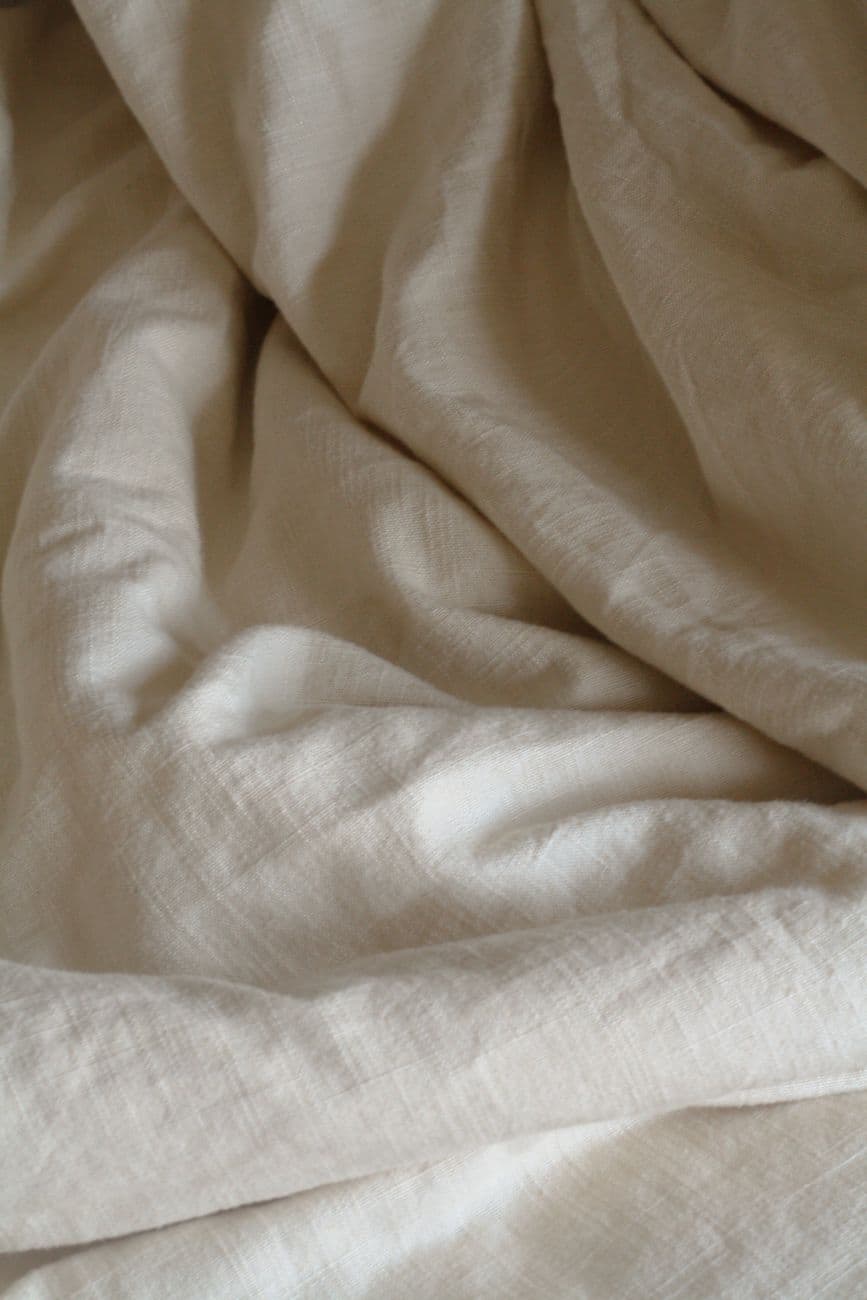
Cleaner for sensitive skin
Organic cotton often has fewer chemical residues, which can be gentler on skin.
Comfort and breathability
Choose percale for coolness or sateen for a softer finish suited to seasons.
Value with care
Proper washing and drying help organic bedding last as long as conventional sets.
Why organic cotton bedding matters
We often think of bedding as simply soft fabric, but what it’s made from and how it’s produced changes both the feel and the wider impact. Organic cotton bedding is grown without synthetic pesticides and is usually processed with fewer harsh chemicals. For households in South Africa that want simple, healthier choices, organic cotton can be a practical step-from cooler summer sleeps to kinder farming practices.
Practical benefits at a glance
- Comfort: organic cotton is usually softer and breathes well, which helps regulate temperature on warm Gauteng or coastal nights.
- Lower chemical exposure: fewer residues from pesticides and bleaches can mean gentler sheets for sensitive skin.
- Durability: well-made organic cotton can last as long as conventional cotton when cared for correctly.
- Environmental footprint: organic farming methods can use less synthetic inputs and support healthier soil over time.
Material, weave and what they mean for sleep
Not all cotton feels the same. Organic cotton bedding comes in different yarn counts, weaves and finishes. A percale weave gives a crisp, cooler feel; sateen has a silkier, warmer finish. For many South African homes, a percale sheet set is a good all-rounder-breathable for summer yet comfortable layered in winter.
Health and allergy considerations
We’re careful about family health. Organic cotton reduces the chance of lingering agricultural chemicals on fabric, which some people prefer if they have sensitive skin or eczema. That said, true allergy management also depends on washing routines, mattress protection and house dust control.
How to choose organic cotton bedding
Follow a few simple steps when comparing sets:
- Look for credible certifications on labels that confirm organic farming and responsible processing.
- Choose the weave and thread-count appropriate to your climate and sleeping habits.
- Check care instructions-some finishes need gentler washing to stay soft.
- Compare sizes and inclusions so you get fitted sheets, pillowcases and duvet covers that match local mattress sizes.
If you’re ready to browse styles and sizes, our Bed & Linen range is a useful place to compare patterns and sets - Bed & Linen.
Small practical checklist before you buy
- Measure your mattress depth so fitted sheets sit snugly on the counter of your bed.
- Decide if you prefer a cooler percale or a softer sateen finish.
- Note any certifications on the label and ask for clear fibre content (100% organic cotton vs blends).
Cost, value and what to expect in South Africa
We know price matters. Organic cotton bedding often comes at a premium because of farming and certification costs. As a guide, expect estimated price ranges depending on set type and quality: single or single duvet cover sets from around R400-R900 (estimate), and double/queen sets from roughly R700-R2 000 (estimate). These bands are indicative - quality, brand and thread finishing affect the final price.
Care tips to make organic bedding last
Good care keeps bedding soft and extends life:
- Wash in warm or cool water on a gentle cycle with a mild detergent.
- Avoid strong bleach; sunlight is a natural refresher but rotate items to prevent uneven fading.
- Line-dry when possible in local conditions; tumble-dry on low to soften if needed.
- Iron lightly if you prefer crisp sheets-this can also extend the perceived freshness.
Where organic bedding makes the biggest difference
Think of organic cotton bedding as a practical upgrade in these situations:
- Families with sensitive skin who prefer fewer chemical residues.
- People who want longer-term value rather than replacing low-cost sheets each season.
- Households aiming to reduce their environmental footprint in small, everyday choices.
Common questions answered
Will organic cotton last as long as regular cotton? Usually yes, if the weave and finishing are comparable and you follow recommended care. Is organic always better for the planet? Organic farming can reduce certain chemical inputs and support soil health, but other factors (transport, dyeing, water use) also matter when assessing the full footprint.
If you want deeper reading about fabrics and home care, our articles can help - Bed & Bath articles and broader tips live in Home articles.
A quick practical note: choose the weave that matches your season. In hot months, percale keeps sleep cool; in colder seasons, layer with a duvet or thicker duvet cover for warmth.
We hope this helps you choose bedding that fits your home, climate and values. When you’re ready to compare sets and sizes, visit our Bed & Linen shop to see options and filter by material or certification - Bed & Linen.

Performance Marketing Lead at Bash, with a background in marketing from UNISA and years spent driving paid search strategy at leading e-commerce brands like takealot.com, I focus on data-driven growth, Google Ads optimization, and scaling digital performance.
Disclaimer: This content is for educational purposes only. Product availability, pricing, and specifications are subject to change. Always verify current details on the retailer's website before making a purchase.


