
Memory foam vs latex mattress topper: which one suits your sleep?
Compare memory foam and latex mattress toppers: feel, cooling, durability and price. Practical buying tips and South African price estimates.
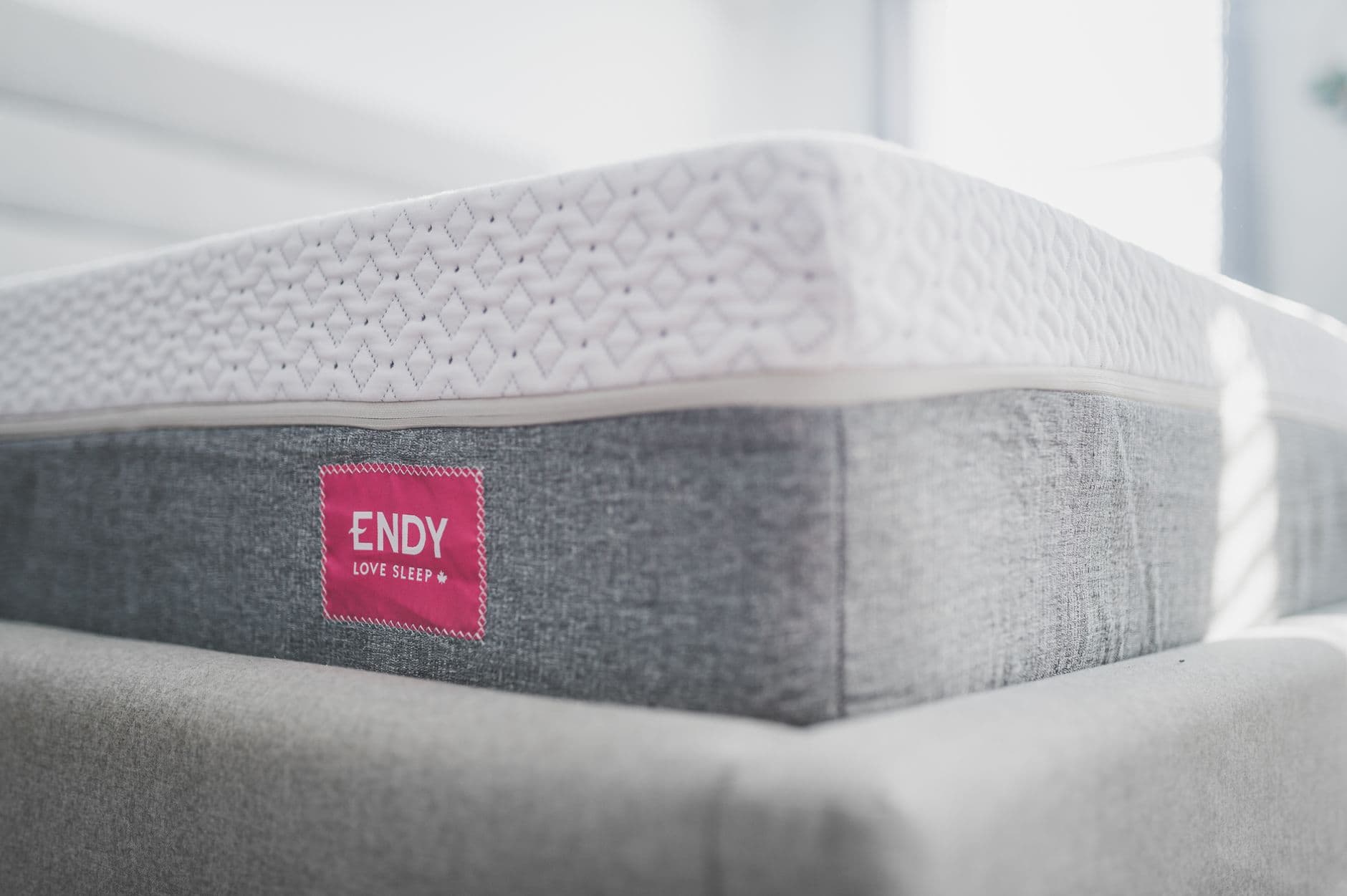
Main feel difference
Memory foam hugs for pressure relief; latex feels springy and more responsive.
Temperature & durability
Latex usually sleeps cooler and lasts longer; memory foam varies by density and cooling tech.
How to choose
Match topper type to sleep position, heat sensitivity and budget; check return policies.
Why a mattress topper can be the right fix
A mattress topper is an affordable way to change how your bed feels without buying a whole new mattress. Toppers can add pressure relief, make a mattress feel firmer or softer, and sometimes help with temperature regulation. We’ll compare memory foam and latex so you can match material to sleep style and budget.
Quick material overview
Memory foam is a viscoelastic foam that conforms closely to your body, giving a hugging feel and strong pressure relief. Latex is a springier, more responsive foam (natural or synthetic) that tends to sit more on top of the body and breathe more easily. Both types come in different densities, thicknesses and constructions, which affects feel and durability.
How they feel and who they suit
- Memory foam: excellent for side sleepers or anyone needing strong pressure relief around shoulders and hips; also good for light sleepers who share a bed because of strong motion isolation.
- Latex: better for people who want more bounce and easier repositioning, and for stomach or back sleepers who need more surface support. Natural latex is often chosen for durability and a more ‘lifted’ feel.
Temperature and ventilation
Traditional memory foam can trap heat because it’s dense, though many modern toppers use gel, graphite, charcoal or open-cell designs to reduce warmth. Latex is naturally more breathable-especially when perforated-so it generally sleeps cooler for most people. If you live in a warm room or sleep hot, that difference matters.
Where a topper fits in your shopping journey
If your mattress is still structurally sound but too firm, a softer memory foam or latex topper can add comfort. If the mattress is sagging or past its life, a topper is a short-term fix but won’t solve deep structural problems. For options and sizes, we often start people on the Beds, Mattresses & Headboards section to compare practical choices and local pricing. Beds, Mattresses & Headboards.
Practical trade-offs to consider
Below are the main differences to weigh when choosing a topper in South Africa: feel, heat, durability, maintenance and price. We use these points to match a topper to the way you sleep and live.
Pressure relief and motion isolation
Memory foam contours closely and reduces pressure spots; it also isolates movement very well. Latex gives pressure relief too but disperses weight over a larger area, so it feels more supportive and less hugging. If a partner moves a lot, memory foam usually reduces transfer better.
Durability and care
Latex toppers tend to hold their shape longer than many memory foams-particularly natural latex with GOLS certification. Memory foam quality varies widely: higher-density foam lasts longer, but cheaper foams can sag after months. Follow manufacturer care instructions and use a good cover to reduce wear.
Estimated price ranges (South African context)
Prices depend on thickness, brand and whether the material is natural. As a rough guide: memory foam toppers commonly range from about R500 to R3 000; latex toppers often start higher, from roughly R1 200 to R5 000 or more for certified natural latex. These are estimates-shop options and seasonal sales will affect final prices.
Choosing by sleep style: simple rules
Use the following quick checks to narrow choices: if you sleep on your side and want pressure relief, try a memory foam topper; if you sleep on your back or stomach or prefer a springier feel, try a latex topper. If you run hot at night, prioritise ventilated latex or gel-infused/open-cell memory foam. These practical rules come from comparative testing and reviews.
How thick and how firm should a topper be?
- 1-2 cm: minor surface change, little pressure relief.
- 3-5 cm: most common-adds noticeable softness or support depending on material and density.
- 6 cm or more: for a significant change in feel, but heavier and more likely to alter the bed height or sheet fit.
Practical buying tips
Try to test feel where possible, check return policies and look for trial periods. If you’re sensitive to smells, choose low-VOC or certified products and allow the topper to air for 24-72 hours before sleep. For local context, check product pages and sizing on Bed & Linen and related articles to match South African mattress sizes and covers. Bed & Linen and Bed & Bath articles.
If you share a bed with someone who sleeps hot, a hybrid approach (a ventilated latex topper or a cooling memory foam with a breathable cover) often gives the best balance of pressure relief and temperature control.
When a topper is not the right fix
A topper can’t fix deep mattress sag, edge collapse or an old mattress with lost support. If you’re seeing permanent indentations or waking with body aches that a topper doesn’t change after a few weeks, it’s time to consider a mattress replacement.
Final checklist before you buy
- Match material to sleep position and temperature needs.
- Check thickness and density for the change you want.
- Verify return/trial policy and warranty.
- Look for certifications (GOLS for organic latex, low-VOC labelling) if sustainability or smell is important.
We hope this helps you choose with confidence. If you want to explore local options, start in our Beds, Mattresses & Headboards section or browse Bed & Linen products and articles for sizing and covers that work with your chosen topper. Beds, Mattresses & Headboards • Bed & Linen.
Sources

Performance Marketing Lead at Bash, with a background in marketing from UNISA and years spent driving paid search strategy at leading e-commerce brands like takealot.com, I focus on data-driven growth, Google Ads optimization, and scaling digital performance.
Disclaimer: This content is for educational purposes only. Product availability, pricing, and specifications are subject to change. Always verify current details on the retailer's website before making a purchase.


