How to fit and layer mattress protectors over base covers - a step-by-step South African guide
Step-by-step instructions to fit mattress protectors over base covers, choose compatible layers and avoid bunching or heat. Practical tips for South African homes.
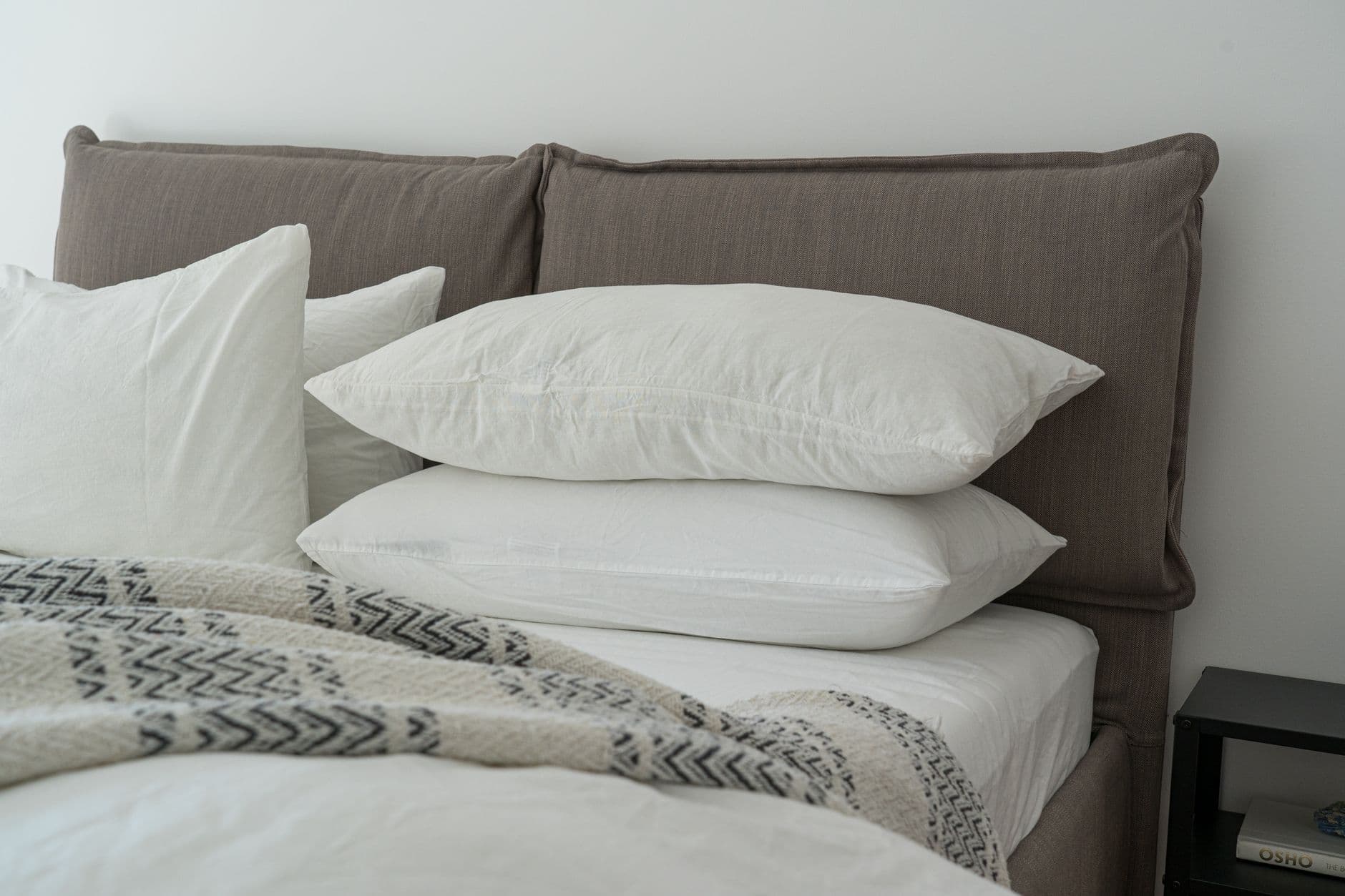
Layer in the right order
Base cover first, then mattress protector - this protects structure and sleeping surface.
Match depth and material
Measure mattress depth and pick protectors labelled for that depth to avoid bunching.
Anchor, test and re-check
Secure elastics, test movement and re-fit every three months for best performance.
Quick overview
We’ll walk through a simple, repeatable process for fitting mattress protectors over base covers, choosing compatible layers, and avoiding common problems like slipping, increased heat or bunching. This guide focuses on everyday South African homes - from single beds in student flats to double or king-size beds in family bedrooms. Wherever you are, a tidy, secure layering method means less washing, fewer spills reaching the mattress and a better night’s sleep.
What we mean by base covers and protectors
A base cover (sometimes called a divan cover or board-top protector) sits directly on the bed base or platform and protects the base and underside of the mattress. A mattress protector sits over the mattress surface to guard against spills, dust mites and wear. We treat them as a two-layer system where the base cover protects structure and the mattress protector protects the sleeping surface.
When to layer both
- New mattress deliveries - fit both before first use to prevent stains and warranty issues.
- Homes with pets, small children or frequent guests - extra protection reduces deep cleaning frequency.
- If the bed sits on a lower-cost base that can stain or absorb moisture from below.
Checklist before you start
Gather these items so the fitting goes quickly: a clean, flat area to work; a tape measure; the mattress protector and base cover (correct sizes); a non-slip pad if needed; and fresh bed linen. Check the care labels for temperature limits and whether the protector is waterproof, breathable or quilted.
| Item | Why it matters |
|---|---|
| Correct size (single, three-quarter, double, queen, king) | Prevents bunching and slack that lead to wear and noise |
| Waterproof vs breathable material | Waterproof keeps fluids out; breathable reduces heat build-up |
| Elastics and corner straps | Stronger anchors mean fewer adjustments |
Note on sizes and shopping
If your mattress is a non-standard depth (pillow-top, memory foam or extra-deep hybrids), measure depth and choose protectors labelled for that depth. We stock a range for standard and deep mattresses on our Mattress Protectors & Base Covers articles, where you can filter by size and features.
Step-by-step: fitting a base cover first
Fitting from the bottom up gives the neatest result. Work with a partner when the mattress is heavy, otherwise follow these solo steps.
1 - Clear and prepare
Remove bedding and lift the mattress or slide it gently if light enough. Wipe the bed base or platform to remove dust or pet hair. If the base has sharp edges, cover them or check for tears in the cover material.
2 - Check orientation and edges
Position the base cover so seams and fastening straps line up with base edges. Most base covers have a long seam at the head or foot to ease fitting - align that with the bed head for tidier lines.
3 - Secure the base cover
Pull the cover over corners, smoothing fabric as you go. Use corner straps or elastics to anchor the cover. If your base is a platform without a lip, a non-slip pad between base and cover prevents sliding.
4 - Re-position the mattress
Lower the mattress carefully onto the covered base. Check that the mattress sits square and that no fabric is trapped under the mattress edge.
Step-by-step: fitting a mattress protector over the mattress
5 - Choose the right protector for layering
For layering over a base cover, we prefer low-profile or thin waterproof protectors that offer spill resistance while keeping breathability. Quilted, padded protectors add comfort but may increase bulk; if you use a thick topper, pick a slim protector instead. You can browse related bedding options on our Bed & Linen articles.
6 - Fit the protector with tension in mind
Unfold the protector, align the head and foot, then pull each corner over the mattress corners. Keep even tension across the top surface - a protector that’s too loose will bunch, while one that’s too tight can pop elastics during use.
7 - Anchor and check movement
If the protector and base cover both have elastics, anchor both firmly. To reduce slipping, add a thin anti-slip pad under the mattress protector (not between protector and mattress if the protector is waterproof and intended to seal). Test by pressing and moving the mattress; the top protector should stay smooth with minimal shifting.
Layering tips and common fixes
Thin vs padded protectors
Thin, membrane-style waterproof protectors are best where overheating is a concern - they sit close to the mattress and are easier to anchor. Padded protectors add a little plushness and are better if your mattress feels too firm.
Solving bunching and noise
If the protector creases, re-fit starting from the middle and smoothing outwards. Noisy crackling usually comes from cheap plastics; choose cotton-top or blended protectors with a waterproof membrane for quieter sleep.
Washing and care - practical SA guidance
Wash protectors according to the care label. As a rule, machine wash warm and line-dry where possible to preserve the waterproof membrane. In South African cities where tumble dryers are used, low heat is fine for many protectors but check labels. Expect decent protectors to cost from about R150 for basic single sizes to R800+ for premium deep-fit king sizes; prices vary by material and brand.
Practical examples from everyday homes
Student flat: A single mattress on a shallow base - choose a thin, elastic-edge protector and a lightweight base cover to keep costs down and allow easy washing.
Family bedroom: For children or elderly users, a waterproof protector plus a padded topper adds protection and comfort - anchor both carefully and use a mattress protector labelled for deep mattresses if a topper is present.
Guest room: Use a zip-style protector for quick, full enclosure and an easy visual reminder to change layers between guests.
How often to replace or re-fit
We suggest checking fit every three months and washing protectors every 1-3 months depending on use. Replace waterproof protectors when you see wear at seams or persistent odour - typically every 2-4 years with regular use.
Where to learn more and what to shop
For product choices and sizes, visit the Mattress Protectors & Base Covers articles for a curated selection and filters that match mattress depth and material preferences. For broader bedroom textiles, our Blankets & Throws articles page helps you pair textiles without overheating the bed.
Quick consideration: if you or family members run hot at night, prioritise breathable, thin membrane protectors over quilted versions to reduce night sweats.
Sources
- Sleep Foundation - mattress protectors overview
- World Health Organization
- Government of South Africa - consumer and health guidance
Ready to shop? Browse Mattress Protectors & Base Covers to find the right option for you.

Performance Marketing Lead at Bash, with a background in marketing from UNISA and years spent driving paid search strategy at leading e-commerce brands like takealot.com, I focus on data-driven growth, Google Ads optimization, and scaling digital performance.
Disclaimer: This content is for educational purposes only. Product availability, pricing, and specifications are subject to change. Always verify current details on the retailer's website before making a purchase.