Base covers: choosing materials and styles for South African homes
Practical guidance on picking base cover materials and styles for South African bedrooms-climate-aware tips, maintenance routines and real-home examples.
Match material to climate
Choose breathable cotton blends for humid coasts and quick-dry synthetics for busy homes.
Pick a style that suits the room
Tailored, relaxed or fitted styles change the bedroom’s proportions and maintenance needs.
Plan care, not just purchase
Estimate washing frequency and total life-cost when choosing fabric and finish.
Why base covers matter beyond the mattress
A base cover is the unsung layer that keeps a bed frame and mattress base tidy, protected and comfortable to live with. We focus here on the materials and styles of base covers-how they behave in humidity, how they wear with regular washing, and how different fits change the look of a room. This piece does not repeat step-by-step fitting advice already covered elsewhere; instead we explain which fabrics and styles suit real South African homes, from coastal flats to inland family bedrooms.
Practical lenses we use
- Climate: coastal humidity, inland dryness, and seasonal shifts.
- Maintenance: how often you’ll wash, and what care labels tolerate.
- Wear and tear: pets, children, and daily use patterns.
- Style: how a base cover affects room proportion and bedmaking speed.
Quick overview of common base cover types
We break materials into three practical groups: natural fibres, engineered blends, and technical/treated fabrics. Each has trade-offs for breathability, durability and care. Below, the table contrasts two representative options to help you decide quickly.
Comparison: cotton-rich wrap vs. stretch-knit base cover
| Feature | Cotton-rich wrap (woven) | Stretch-knit (polyblend) cover |
|---|---|---|
| Hand-feel and breathability | Soft, very breathable; good for hot inland summers; may wrinkle. | Smoother finish, less breathable than cotton but vents reasonably well; fits snugly. |
| Durability and pet-resistance | Holds up to frequent washing but can abrasion-show with claws; natural fibres may fade. | Higher abrasion resistance and stretch recovery; better if you have active kids or pets. |
| Care and maintenance (est. cost) | Machine-washable; expect R150-R400 per year in water/energy depending on wash frequency. | Machine-washable; often quicker to dry; similar running cost but fewer replacements over years. |
How to read the table for your home
If you live near the coast and deal with dampness and salt air, a breathable cotton-rich wrap helps air circulate and reduces mustiness. If you have pets, a stretch-knit polyblend usually hides wear and pulls less and stays snug so it doesn’t snag on claws as easily. We’ll unpack more materials and style decisions next.
Material deep-dive: pros, cons and local notes
Natural fibres (cotton, linen)
Why we like them: breathability and comfort, especially during warmer months. Cotton and linen feel familiar and sit well under a fitted sheet. Care: they tolerate regular washing but can shrink or wrinkle; follow temperature limits on labels. South African households often prefer cotton for bedrooms because it’s cool against the skin and works well with local cotton-rich bed linen ranging from R200 to R1 200 depending on quality.
Engineered blends (cotton-poly, polyester blends)
Why we recommend them for busy homes: better shape retention and faster drying. A 60/40 cotton-poly blend balances breathability with durability. For families that wash frequently, blends often mean fewer replacements over time and lower visible pilling.
Technical and treated fabrics (microfibre, water-resistant finishes)
When to choose them: flats, short-term rentals, or rooms prone to spills. Microfibre covers resist stains and dry quickly, but they can feel less natural. Waterproof-treated base covers are helpful when you need spill protection on a lower price point base-remember treated fabrics change breathability and are best paired with good mattress protectors.
Small note on Sizing and fit
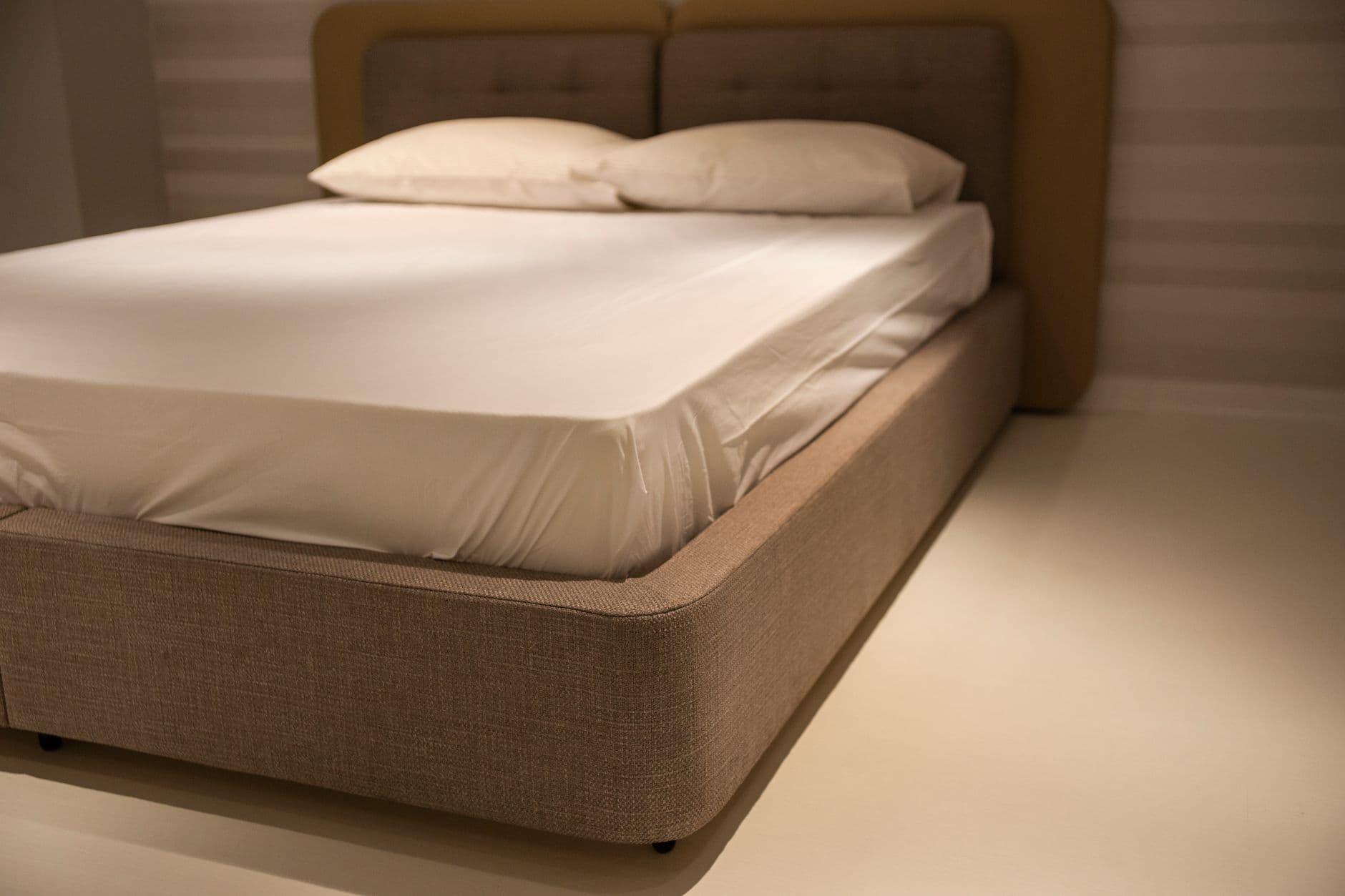
Measure mattress depth plus any base frame height. Stretch-knit styles offer forgiving fit up to a range of depths; woven wraps often use ties or an elastic skirt. For modern divan-style bases measure total height from floor to top of base to avoid an awkward overhang.
We recommend browsing our Mattress Protectors & Base Covers category to compare available fits and materials and to match your mattress dimensions.
Styles and visual choices that change a bedroom
A base cover is both functional and a visual anchor. The wrong style can make a neat bed look sloppy or make a small room feel cramped. We prefer three approachable styles for South African homes: tailored (box pleat or straight skirt), relaxed (draped woven), and fitted (stretch-knit). Each gives a different feel:
- Tailored: clean lines, best with classic or minimalist bedrooms. Works well with bedside tables and visible bed frames.
- Relaxed: softer look for casual coastal or bohemian interiors; hides uneven floor lines but needs more frequent straightening.
- Fitted: modern, snug finish. Ideal for compact rooms where a tight silhouette keeps the space tidy.
Real-world examples from South African homes
Case 1 - Coastal apartment, two adults, occasional guests: We advised a linen-blend tailored cover for breathability and a neat look that survives salty air. Case 2 - Family home with pets: a darker-toned stretch-knit base cover hides marks and recovers shape after washing. Case 3 - Guest room in a rental: microfibre with a stain-resistant finish for easy maintenance between stays. These recommendations come from testing fabrics in local conditions and seeing what lasts.
Maintenance routines that extend life
A few practices we use that help every material last longer:
- Wash on a gentle cycle with mild detergent and avoid high-heat drying where possible.
- Rotate or re-fit the cover when you change sheets to even out wear.
- For light-colour woven fabrics, spot-treat spills immediately to avoid set-in stains.
Budgeting and expected replacement rhythm
Initial cost bands for base covers in South Africa typically run from around R150 for basic stretch covers to R800-R1 200 for higher-quality woven or linen options. A durable blend or stretch-knit often lasts 3-5 years with regular washing; natural linen may need replacement sooner if heavily used, but it also softens with age. These are estimates; your frequency will depend on household conditions.
Where a base cover fits in your overall bed protection strategy
Remember: base covers protect the base and frame and affect appearance, while mattress protectors protect the mattress core from spills and allergens. We advise pairing an appropriate base cover with a mattress protector and good bed linen for a complete solution. Explore our Bed & Linen selection for complementary sheets and pillowcases, and for storage solutions see Baskets & Storage to help keep under-bed clutter away from the base cover.
Deciding checklist: pick the best base cover for your home
- Measure mattress plus base height; choose stretch-knit for variable depths.
- Match material to climate: natural fibres for breathability, blends for durability.
- Consider household life: pets and children favour tougher polyblends or microfibre.
- Decide on style-tailored, relaxed or fitted-based on room proportions and how often you make the bed.
- Factor in care: how often will you wash? That affects long-term costs and fabric choice.
If you want hands-on help, try filtering the Mattress Protectors & Base Covers category by material and depth. We curate options so you can compare feel, finish and price without guesswork.
Sources
- Consumer Goods Council - Caring for textiles
- South African Bureau of Standards (SABS)
- National Institute for Communicable Diseases - hygiene guidance
We hope this helps you choose a base cover that fits your daily life. We design our advice around how people actually live in South African homes-practical, calm and plain-speaking-so you can shop with confidence and keep your bedroom both comfortable and low-maintenance.

Performance Marketing Lead at Bash, with a background in marketing from UNISA and years spent driving paid search strategy at leading e-commerce brands like takealot.com, I focus on data-driven growth, Google Ads optimization, and scaling digital performance.
Disclaimer: This content is for educational purposes only. Product availability, pricing, and specifications are subject to change. Always verify current details on the retailer's website before making a purchase.