Choosing Stackable Kitchen Storage Containers for Small South African Kitchens
Step-by-step guide to picking stackable kitchen storage containers that save space and keep food fresh in small South African kitchens.
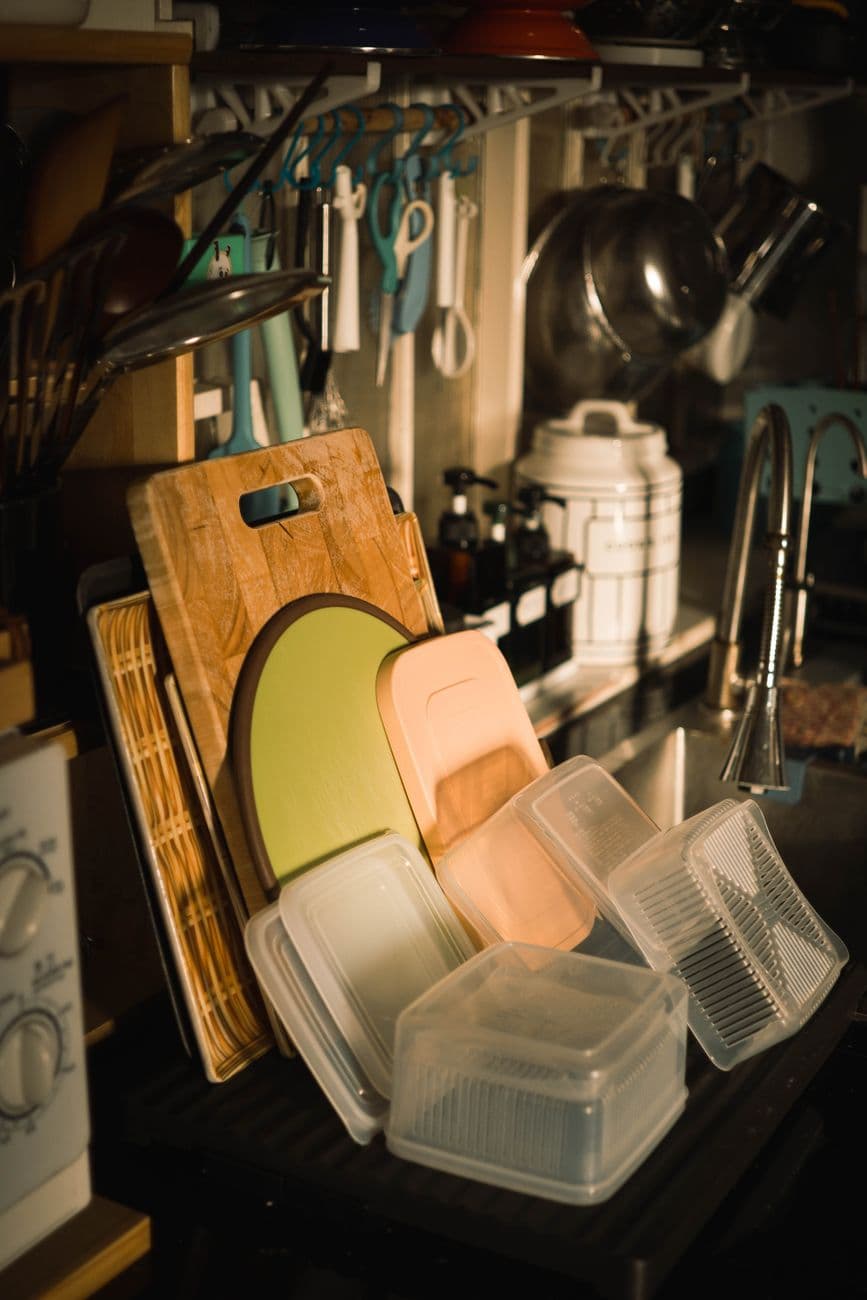
Measure before you buy
Record shelf depth and stack height so containers fit first time.
Match material to use
Choose polypropylene, glass or steel based on fridge, microwave and durability needs.
Start with a modular set
Buy a core stackable system, then add specialised pieces as needed.
Why stackable containers matter in small kitchens
In smaller South African kitchens every centimetre of counter and cupboard counts. We choose stackable storage to reclaim vertical space, make items easy to see, and reduce clutter on counters. This guide walks through decisions we make step by step - from measuring shelves to choosing lids - so you can buy with confidence and keep your kitchen working smoothly.
Measure first: the simple starting step
Before browsing, measure the deepest shelf, the tallest usable cabinet space, and the clear counter area where you’d stack containers. Record three numbers: depth, height between shelves, and the maximum stack height you’re comfortable with (often 30-60 cm). These measurements stop surprises at home and help us pick shapes that actually fit.
Decide how you’ll use them
Stackable containers serve different roles: pantry dry goods (rice, samp, maize meal), leftovers, fridge-ready meal prep, and bulk buying (2-5 kg packs). Note whether you need airtight seals for staples or refrigerator-safe containers for prepared meals.
Quick comparison: common stackable types
| Feature | Modular square/rectangular | Round jars/containers |
|---|---|---|
| Space efficiency | High - fits shelves and corners, stacks neatly | Lower - wasted gaps when grouped |
| Best uses | Dry goods, meal prep boxes, freezer stacking | Spices, snacks, display-ready items |
| Typical price band | R150-R700 per set, varies by material and count | R60-R300 per jar, varies by volume and finish |
How we read the table
This quick table helps us decide whether to prioritise maximum shelf use (choose square/rectangular systems) or presentation and small-batch storage (round jars). For tight cupboards we usually favour shapes that tessellate.
Step 1 - Match container shape to your kitchen layout
If your shelves are shallow and narrow, favour low-profile rectangles that stack two or three high. If you have a tall pantry column, look for taller modular towers. For fridge use, choose containers with flat lids that stack without wobble so you can safely place containers on top of each other.
Quick checklist before buying
- Have your shelf depth and shelf-to-shelf height recorded.
- Decide whether containers need to be freezer-safe, microwave-safe, or dishwasher-safe.
- Choose a maximum stack height you’re comfortable lifting from the top.
When we buy on Bash, we often start at the Kitchen & Dining category to compare modular sets and single containers. Kitchen & Dining
Step 2 - Pick material by use and durability
Materials change how containers perform in heat, cold, and everyday wear. Our usual recommendations by use:
- Food-grade polypropylene (BPA-free): lightweight, affordable, dishwasher-safe - good for pantry and fridge. Typical sets cost around R150-R400.
- Glass: non-staining and microwave-safe; heavier but ideal for long-term meal prep and leftovers. Expect single jars from R80 and sets from R300-R1 200 depending on size.
- Stainless-steel: great for dry goods and long storage; not microwave-safe. Prices vary by quality and finish.
Step 3 - Seal, stack, and label
We prioritise airtight lids for staples to keep moisture and pests out. For stacking, choose lids with a small lip or rubberised edge so containers don’t slip. Labelling clarifies contents at-a-glance - waterproof labels or a simple whiteboard marker on lids work well for rotating items like leftovers.
Step 4 - Buying strategy for small kitchens
Buy a core modular set that fits your deepest shelf, then add specialised pieces: a few wide shallow boxes for flat items (wraps, tortillas), taller narrow ones for pasta and rice, and small jars for spices. When we shop purposely, we save both counter and cupboard space while keeping frequently used items at hand.
How we test a set at home
We trial new containers by:
- Filling one or two common items (e.g., 2 kg maize meal, a week's leftovers) to check fit and seal.
- Stacking to the intended height and lifting the top container to test stability and ease of use.
- Running a dishwasher cycle if claimed dishwasher-safe, and checking for warp or discolouration.
Small-kitchen examples we use
Example 1: A 30 cm deep shelf - we choose two rectangular stacks (one low, one tall) so we can reach the front-most items easily. Example 2: Narrow pantry column - tall slim towers that slot together make the most of vertical space. Example 3: Shared fridge shelf - flat, stackable glass containers with uniform footprint for safe stacking and clear visibility.
Looking for storage that pairs well with baskets and open shelving? See our Baskets & Storage hub for complementary organisers. Baskets & Storage
If you want to compare containers with cookware or other kitchen tools while planning a full refresh, our Kitchen & Dining category has coordinated options. Kitchen & Dining
Final checklist before checkout
- Do measured containers match shelf depths and heights?
- Are the materials and seals suitable for your planned use (freezer/microwave/dishwasher)?
- Can the set be expanded later with the same brand or modular system?
- Is the price within your budget? Small starter sets typically start around R150; full modular systems can reach R1 200 depending on material and count.
We aim to make storage choices that last and make daily life simpler. If you’re ready to browse options that match the measurements you took earlier, begin in the Kitchen & Dining category to filter by material and size. Kitchen & Dining
Sources
- South African Government - Food safety guidance
- South African National Standards (SANS)
- Consumers International - local consumer advice

Performance Marketing Lead at Bash, with a background in marketing from UNISA and years spent driving paid search strategy at leading e-commerce brands like takealot.com, I focus on data-driven growth, Google Ads optimization, and scaling digital performance.
Disclaimer: This content is for educational purposes only. Product availability, pricing, and specifications are subject to change. Always verify current details on the retailer's website before making a purchase.