Food storage containers: comparing materials and airtight seal types
We compare glass, plastics, silicone and seal types to help South African kitchens choose food storage containers that suit reheating, freezing and carrying food.
Match material to use
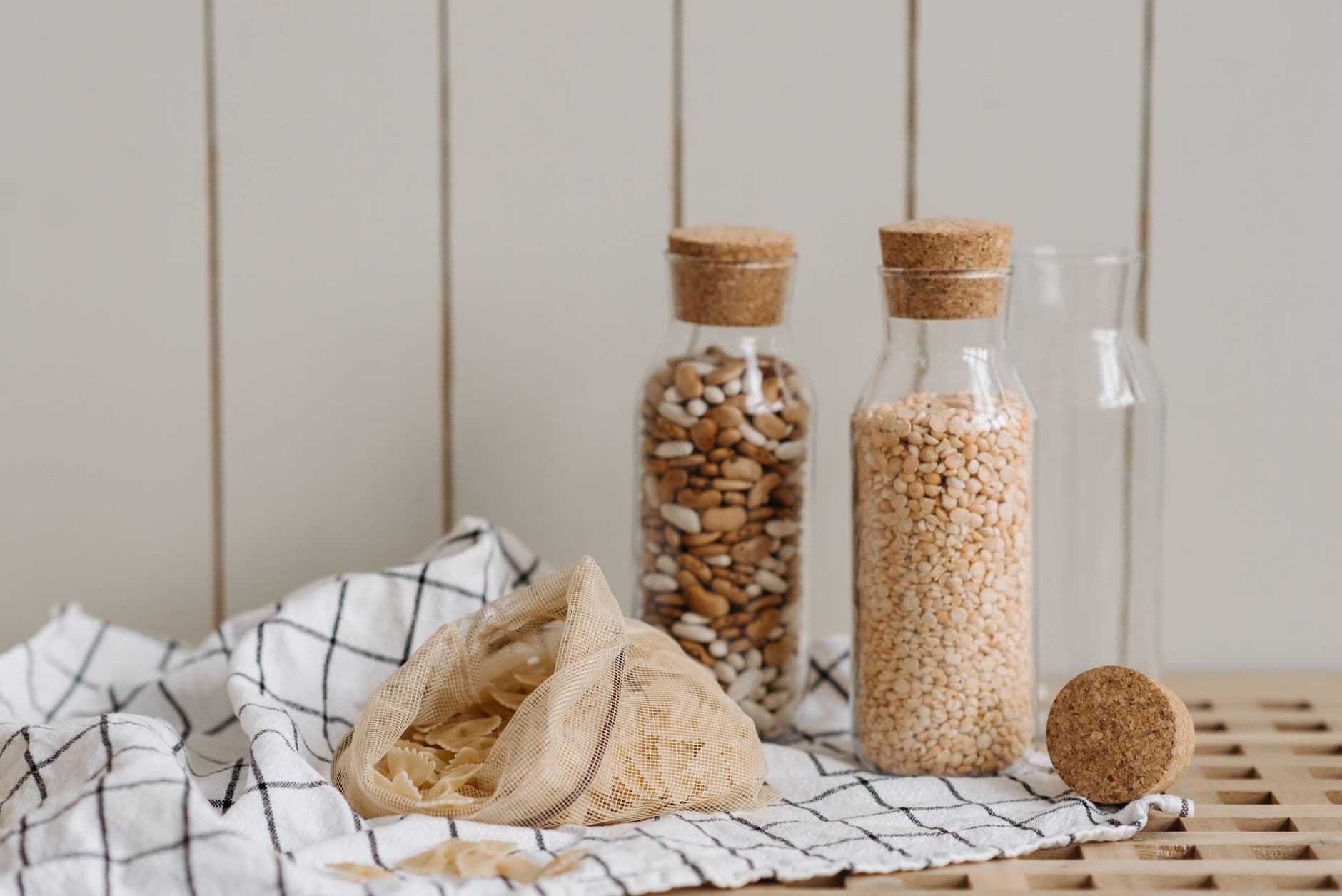
Glass for reheating/serving, plastic for lightweight freezer and lunch use.
Choose the right seal
Snap-gaskets for liquids; screw-tops for jars; vacuum lids for longer freshness.
Maintain seals
Replace gaskets, test lids for leaks, and label dates to reduce waste.
Why material and seal matter for food storage containers
We shop for containers not for the label but for how they fit real tasks: storing leftovers, marinating meat, freezing samp, or carrying lunch to work. Two decisions make the biggest difference in daily use - the container material and the type of airtight seal. Each affects durability, temperature tolerance, stain and odour resistance, weight, and whether a container is safe for the freezer, microwave, or dishwasher.
Common materials at a glance
- Glass (tempered/borosilicate) - heavy but stain-resistant and inert; works well from fridge to oven in many cases.
- Rigid plastics (polypropylene / Tritan) - light, affordable, and less fragile; newer food-grade plastics avoid BPA.
- Silicone (flexible) - collapsible options for saving counter space; heat- and cold-tolerant if approved food-grade silicone.
- Stainless steel - excellent for dry storage and lunch tins; not microwave-safe and usually not transparent.
Seal types we actually use
- Snap-lock lids with silicone gasket - common for general kitchen use, often very leak-resistant when the gasket and latches are good quality.
- Screw-top lids - simple and reliable for jars and some plastic containers, good for liquids if thread fit is tight.
- Push-button vacuum or one-way valve lids - remove air to extend freshness, useful for fragile foods like sliced avocado or cheese.
- Silicone stretch lids - flexible covers for bowls and plates, handy for quick short-term covering but not a long-term airtight solution.
Material vs seal: a quick comparison table
| Feature | Plastic (PP / Tritan) | Glass (tempered / borosilicate) |
|---|---|---|
| Typical use | Lightweight everyday containers for fridge, lunchboxes, and freezer (choose freezer-safe variants). | Fridge-to-oven or fridge-to-table; visible contents help with meal planning. |
| Durability and care | Resists drops better; may stain/retain odours; dishwasher-safe variants common. | Scratch-resistant and odour-free; heavier and breaks if dropped; usually dishwasher-safe. |
| Price range (estimate) | R150-R600 for 3-8-piece sets depending on brand and quality (economy to mid-range). | R300-R1 200 for 3-8-piece sets; borosilicate and oven-safe lines sit at the higher end. |
How we test seals at home
When we evaluate a seal, we try three quick checks: a leak test with water, a vacuum or suction feel on snap lids, and an odour/stain check after storing a curry or tomato sauce for a few days. Over time, gaskets can harden or stretch - we prefer sets that let us replace the silicone gasket rather than discard the whole lid.
If you prefer learning by browsing options, our Kitchen & Dining category is a handy place to compare models and price bands; use it to match material and seal choices to your routine.
Choosing by daily habits - examples that matter
We find the right container usually comes down to three lifestyle questions: how often do we reheat food in the microwave, do we freeze meals, and do we take liquids to work? Match materials and seals to those answers.
If we reheat food a lot
Glass tops the list - it doesn’t warp, won’t leach, and can often move from fridge to microwave or oven (check the product label). Choose tempered glass with a snap lid and silicone gasket if you want a visible, oven-capable solution. For quick reheats, microwave-safe plastics marked for high temperature can be fine, but avoid long, high-heat exposure.
If we freeze meals for the week
Pick materials marked freezer-safe. Rigid plastic is lighter and resists cracking in many home freezers, while borosilicate glass tolerates thermal change better than standard glass but is heavier. Leave headspace for liquids to expand and use screw-top jars for broths or soups to reduce leaks.
For batch cooks and braai leftovers, vacuum or one-way valve lids help reduce freezer burn and keep proteins fresher for longer.
If we carry meals and liquids
A reliable snap-lock lid with a replaceable silicone gasket or a threaded screw-top is essential. For school or work lunches, lightweight plastic or stainless-steel lunchboxes with tight seals balance weight and durability. If you pack chakalaka or chak for the road, double-test lids with a short commute before relying on them all week.
Practical tips for longer life and safety
- Label the lid or use masking tape for date tracking - leftovers are safer when we know when they were made.
- Replace gaskets every 6-18 months depending on use and cleaning; a brittle gasket loses seal integrity.
- Store nested lids separately to prevent warping; stack containers by size to save counter and fridge space.
- Avoid high-acid foods in low-grade plastic for long periods; acidity increases staining and odour retention.
A simple buying checklist we use
- Material: do we need oven-safe glass or lightweight plastic?
- Seal type: snap/gasket, screw, or vacuum?
- Replaceable parts: can we change the gasket or lid separately?
- Stackability and storage footprint for our counter(s) and fridge.
- Price vs warranty and brand support - for example, R200-R600 sets are common; higher-cost lines often include replaceable gaskets or longer warranties.
If you want containers that match specific kitchen tasks, explore our Baking & Kitchen appliances and Cleaning & Homekeeping sections for complementary tools and upkeep supplies. For straightforward storage solutions like tubs and baskets, our Baskets & Storage category helps organise counters, pantries and fridges so containers work more efficiently.
Real South African scenarios we consider
Many households cook once or twice and repurpose meals across the week. We recommend keeping a combination set: a few glass oven-safe containers for reheats and serving, plus lightweight plastic or stainless-steel tins for lunchboxes and braai leftovers. For students or first apartments where budget and weight matter, a three-piece plastic set with good snap lids can cost around R150 and cover most needs; when entertaining or batch-cooking, invest in a glass set (R400+) that doubles as a serving dish.
Sustainability and end-of-life
We favour durable materials that reduce replacements. Glass and stainless-steel last longer; choose plastics rated for longer use and recycle responsibly if they wear out. Collapsible silicone is a good space-saving, long-lasting choice if stored correctly.
Quick takeaway: match material to main tasks and pick a seal type that fits the food you store. Replace gaskets when worn and choose at least one container type that lets you go from fridge to table to cut down on washing and transferring.
We hope this helps you choose containers that suit your week. If you want to compare specific sets or shop by function, check Kitchen & Dining and Baskets & Storage to see options grouped by use and price.

Performance Marketing Lead at Bash, with a background in marketing from UNISA and years spent driving paid search strategy at leading e-commerce brands like takealot.com, I focus on data-driven growth, Google Ads optimization, and scaling digital performance.
Disclaimer: This content is for educational purposes only. Product availability, pricing, and specifications are subject to change. Always verify current details on the retailer's website before making a purchase.
Sources
- South African sanitation and food safety guidance
- National Department of Health - Food safety in the home
- Consumer Reports - Storage containers overview
- Studies on food contact materials and safety (selection)