
How to make your bed for winter in South Africa - eco-friendly budget swaps
Practical, step-by-step winter bed-making for South Africa with budget-friendly, eco-conscious swaps that keep you warmer and lower costs.
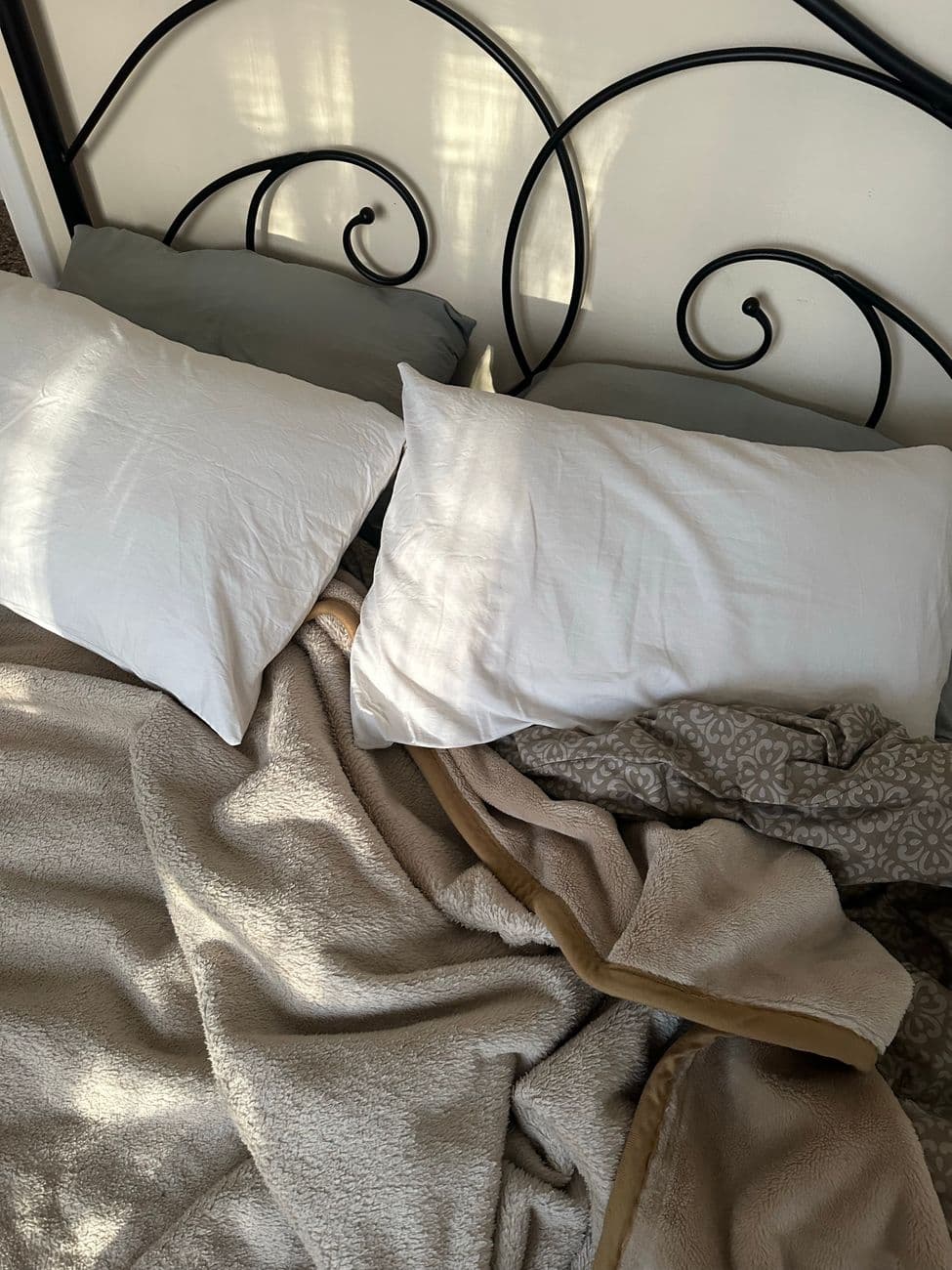
Layer from light to heavy
Start with breathable sheets, add an insulating mid-layer, finish with a duvet or heavy blanket.
Eco-friendly swaps
Use second-hand wool blankets, hot-water bottles and reduce washing to save energy.
Small upgrades matter
A good throw or mattress topper improves warmth at modest cost and low energy use.
Why a winter bed plan matters
We know winter in South Africa can mean chilly mornings, heavier blankets and higher energy bills. A deliberate bed-making routine transforms the single act of making the bed into a way to stay warmer at night, reduce laundry, and make small eco-friendly swaps that add up. Below we give a step-by-step approach aimed at everyday budgets and simple choices you can make with items you may already have.
Quick checklist before you start
- Clean base layer: mattress protector or fitted sheet
- Insulating layer: blanket, wool or fleece throw
- Duvet or duvet inner: check tog or weight
- Top layer: duvet cover or extra blanket
- Extras: hot-water bottle, draft stopper for under the bedroom door
Step 1 - Start with a dry, protected mattress
A mattress protector keeps moisture and dust from reaching your mattress, which helps insulation work better over time. If you don’t have a specialist protector, a tightly fitted cotton sheet will do; just make sure it’s dry before you make the bed so trapped moisture won’t cool you. We often recommend a washable cover because it extends mattress life and keeps laundering simple.
Step 2 - Layer from lightweight to heavy
Think of layers as a temperature ladder. Begin with a breathable base (cotton or percale) closest to your skin, add an insulating mid-layer (wool-blend blanket or fleece throw), then finish with a duvet or thicker blanket as the top layer. This order traps body heat without making the bed feel clammy.
Step 3 - Tuck smart: the envelope method
Tucking keeps drafts from pulling heat away. For double or queen beds, fold the duvet or top blanket at the foot of the bed during the day. At night, pull it up and tuck the sides under the mattress in an envelope-style tuck to reduce edge drafts. We find this method keeps heat concentrated where it’s needed without a tight hospital-style pull that feels restrictive.
Eco-friendly, budget-first swaps to make today
Small swaps can cut costs and use less energy. Below are simple substitutions that work in most South African homes.
- Replace a heavy synthetic blanket with a second-hand wool blanket - wool costs vary but second-hand finds often start from about R80-R300 and last many winters.
- Switch a high-wash-count duvet cover for a darker, lower-wash-count cotton cover to reduce laundering frequency (wash less often and spot-clean more).
- Use a hot-water bottle instead of heating the whole room - a quality rubber hot-water bottle is inexpensive and can replace one hour of electric heating at night.
If you want to shop specifically for duvet inners, covers or throws, see our Bed & Linen category for options and local availability: Bed & Linen. For cosy throws and blankets, browse our Blankets & Throws collection: Blankets & Throws.
Step 4 - Control moisture and airing
Warmth comes from trapped dry air. In damp winters, air the room briefly mid-morning when the sun is out or when humidity is lower. Take off the top layer and allow the mattress and bedding to breathe for 20-30 minutes. This reduces the need for heavy washing and keeps fibres loftier, which improves thermal performance.
Step 5 - Practical pillow and head-area care
Warm heads lose heat quickly. Use an extra pillowcase layer or a thin knitted cap if you sleep without a hat. If you prefer, add a small wool cushion near the headboard to stop cold air from pooling at the top of the bed. For bedding purchases related to pillows and duvet inners, check Duvet Inners & Pillows.
Step 6 - Night routine that saves energy
Adopt a simple night routine: 1) Heat the bed locally with a hot-water bottle for 10-15 minutes before sleep, 2) climb in with the duvet pre-warmed, and 3) keep bedroom doors closed to maintain trapped heat. This approach lets us avoid running room heaters for long stretches and still feel snug.
Low-cost upgrades that make a difference
A few small investments pay off quickly. A medium-quality fleece throw (R120-R350) placed under the duvet adds insulation without bulk. A snug mattress topper can add warmth and comfort and costs anywhere from R250 for basic foam toppers to higher for better materials; consider second-hand or seasonal sales for savings. If you want coordinated bedding at modest prices, explore our Bed & Linen and Blankets & Throws pages for seasonal ranges and price-checking.
Care tips to keep winter bedding performing
- Wash duvet covers and pillowcases less often - spot-clean and air them instead to preserve fibre loft.
- Follow label care: wool blankets usually need gentle washes or hand-wash cycles; fleece can be washed cold and dries quickly.
- Store spare blankets in breathable bags when not in use to avoid damp and moth damage.
When to replace vs repair
We prioritise repair where possible. Patch small holes in blankets or use a decorative throw to conceal wear. Replace items when they lose structural warmth - a duvet that no longer lofts or a blanket that has significant thinning should be replaced. For responsibly sourced options, our Bed & Linen and Blankets & Throws categories list natural fibres and mid-range options that balance cost with longevity.

Performance Marketing Lead at Bash, with a background in marketing from UNISA and years spent driving paid search strategy at leading e-commerce brands like takealot.com, I focus on data-driven growth, Google Ads optimization, and scaling digital performance.
Disclaimer: This content is for educational purposes only. Product availability, pricing, and specifications are subject to change. Always verify current details on the retailer's website before making a purchase.
Sources
- South African Weather overview
- South African energy efficiency guidance (selected public resource)
- Sleep Foundation - bedroom environment and layering


