
Cotton beach towel absorbency and weight for South African summers
Decide between lightweight, terry and Turkish cotton: how GSM, fibre and care affect absorbency and drying for South African beach days.
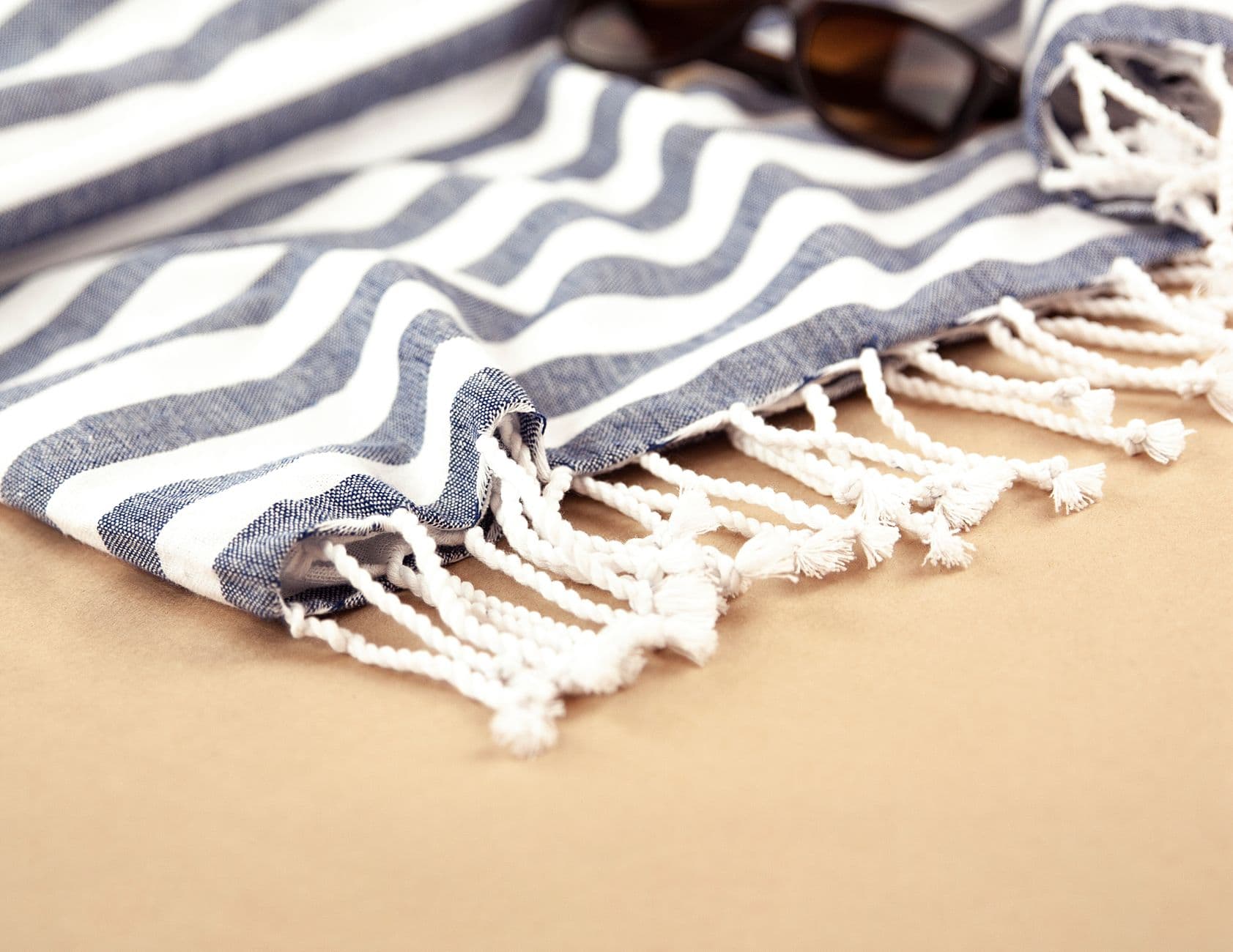
Match GSM to use
300-450 GSM for quick drying and travel; 450-600 GSM for plush absorbency.
Prefer long-staple cotton
Long-staple or Turkish cotton softens with wash and resists pilling.
Care keeps absorbency
Wash new towels, avoid fabric softener, and sun-dry when possible.
Why towel weight and absorbency matter in South African summers
Summer at the coast means long days, sudden swims and warm evenings. A cotton beach towel does more than look good - its weight (often expressed as GSM) and construction determine how quickly it soaks up water, how fast it dries, how bulky it is in a beach bag, and how it behaves in humid conditions. We want towels that lift water away from skin without staying damp for hours or trapping sand against our skin.
What we mean by weight, absorbency and feel
When shoppers say "weight" they usually mean GSM (grams per square metre) or simply the towel's heft. Absorbency depends on fibre type (100% cotton, cotton blends), yarn twist, pile depth and finishing. Heavy towels can feel luxurious but take longer to dry on a hot, humid day; lightweight towels pack small and dry quickly but may feel thin and lose warmth after a late-afternoon dip.
Quick orientation: what common cotton types do
- Standard cotton (terry): soft, loops that hold water well - good absorbency.
- Turkish cotton: long fibres, lighter feel, gets softer with washes, balances absorbency and quick-dry.
- Combed cotton: smoother yarns, less pilling, reliable absorbency but can be heavier.
A practical comparison table for cotton beach towels
| Feature | Lightweight cotton beach towel | Classic terry (mid-weight) | Turkish/long-staple cotton |
|---|---|---|---|
| Typical GSM / feel | 300-400 GSM; thin, packable | 450-600 GSM; plush and substantial | 350-550 GSM; smooth and soft |
| Absorbency vs drying time | Moderate absorbency, fast drying | High absorbency, slower to dry | Good absorbency, reasonable drying speed |
| Price band (estimate) | R120-R350 (budget to mid) | R250-R800 (mid to premium) | R350-R1 000 (mid to premium) |
How to read that table for your summer plan
If you live near the Cape coast where winds and sun speed drying, a lightweight cotton beach towel is often a better everyday choice. In warmer, more humid areas like KwaZulu-Natal, terry towels will feel more absorbent after a swim but may stay damp longer in the car or bag. Turkish cotton sits in the middle: a good compromise for families who want softness without excessive bulk.
Choosing a towel for specific South African summer situations
We find it helpful to match towel properties with typical local moments rather than just chasing "softness" or "price". Here are situations and our straightforward picks.
Weekend beach trips and small cars
If you fit a family of four into a small hatch or want to leave more room for groceries after the beach, choose a lightweight cotton towel that folds small and dries quickly. Pack one plush terry towel for late afternoons if you expect cooler evenings.
See our selection of Beach Towels for easy browsing: Beach Towels.
Braai and poolside days
When you’ll sit on a wooden deck or picnic blanket, look for towels with a tighter weave or a reversible design (one side short-pile, other side looped) so sand and grass don’t cling. A mid-weight terry is fine here because you can hang it over a rail to dry between uses.
Travelling with towels-plane or overnight stays
For flights and overnight stays, a compact Turkish cotton towel is a smart compromise: it’s soft, becomes more absorbent with wash, and packs smaller than heavy terry. If you prefer very compact gear, pick a lightweight cotton towel rated around 300-350 GSM. Luggage choices can also help you pack neatly.
For guidance beyond towels, our Bed & Bath articles offer useful linen choices: Bed & Bath articles.
Material and construction details that change how a towel performs
Beyond GSM, we look at loop density (how tightly the loops are woven), yarn length, and finishing. Longer-staple cotton fibres perform better over time - they resist pilling and soften without losing absorbency. That’s why Turkish and long-staple options often last longer than low-cost terry towels.
A few practical checks when you shop
- Feel the edge: well-finished hems reduce fraying after many washes.
- Weight in hand: lift the towel folded-if it feels like a small blanket it will dry slowly in humid conditions.
- Look at the label: 100% cotton is best for absorbency; blends dry faster but absorb less.
Our rule of thumb: if you want fast drying and a light bag, pick 300-450 GSM; for beach comfort and higher absorbency, aim for 450-600 GSM. Expect prices to rise with fibre quality and brand. Typical South African retail ranges are shown in the table above.
Care and small habits that keep absorbency high
How you treat a towel affects absorbency more than small differences in GSM. Avoid fabric softeners - they coat fibres and reduce absorbency. Wash new towels before first use to remove manufacturing finishes that slow absorbency. Dry in the sun when you can; UV and fresh air help both freshness and drying speed.
A short South African washing checklist
- Wash new towels separately once with mild detergent.
- Skip softeners; use half the recommended detergent dose in soft-water areas to avoid residue.
- Line-dry in sun or tumble-dry on low when humid - this keeps towels fluffy and absorbent.
Real examples from our shoppers
We hear from coastal families who keep lightweight towels for kids (easy to shake and dry) and one larger terry towel for adults who prefer a plush feel after a swim. Surfers often favour quick-dry light towels that fold into a wetsuit bag; couples on overnight road trips pick Turkish towels for compact comfort. When choosing, think about your storage and how often you’ll need a towel to be usable within a few hours.
Shopping on Bash
When you browse our Beach Towels collection you’ll find filters for size, material and price so you can narrow to the GSM or fibre you prefer. If you want ideas for matching beach gear, our Garden & Outdoor section is a useful place to look: Garden & Outdoor. For towel-adjacent home items, check our Towels & Bath Mats category: Towels & Bath Mats articles.
Final checklist before you buy a cotton beach towel
- Decide whether you prioritise drying speed or plush absorbency.
- Match GSM to your travel and storage habits (300-450 for packable; 450-600 for plush).
- Prefer long-staple or Turkish cotton if you want softness that improves with washes.
- Follow simple care tips: wash new towels, avoid softener, and sun-dry when possible.
Choosing the right cotton beach towel is about matching material behaviour to how you actually spend summer days. We try towels ourselves and share what works for real South African moments - short drives to the beach, long braai afternoons, and quick overnight trips. When you know the trade-offs between weight and absorbency, the right towel becomes an uncomplicated part of the day.
Sources
- Cotton South Africa
- Textile Exchange - fibre and sustainability guidance
- Council for Scientific and Industrial Research (CSIR) - consumer textiles research
Ready to shop? Browse Beach Towels to find the right option for you.

Performance Marketing Lead at Bash, with a background in marketing from UNISA and years spent driving paid search strategy at leading e-commerce brands like takealot.com, I focus on data-driven growth, Google Ads optimization, and scaling digital performance.
Disclaimer: This content is for educational purposes only. Product availability, pricing, and specifications are subject to change. Always verify current details on the retailer's website before making a purchase.


