
Keep beach towels sand-free, quick-drying and fresh after every swim - South Africa
Practical, South African-tested steps to keep beach towels sand-free, drying fast between swims and staying fresh. Real routines, simple kit and care tips.
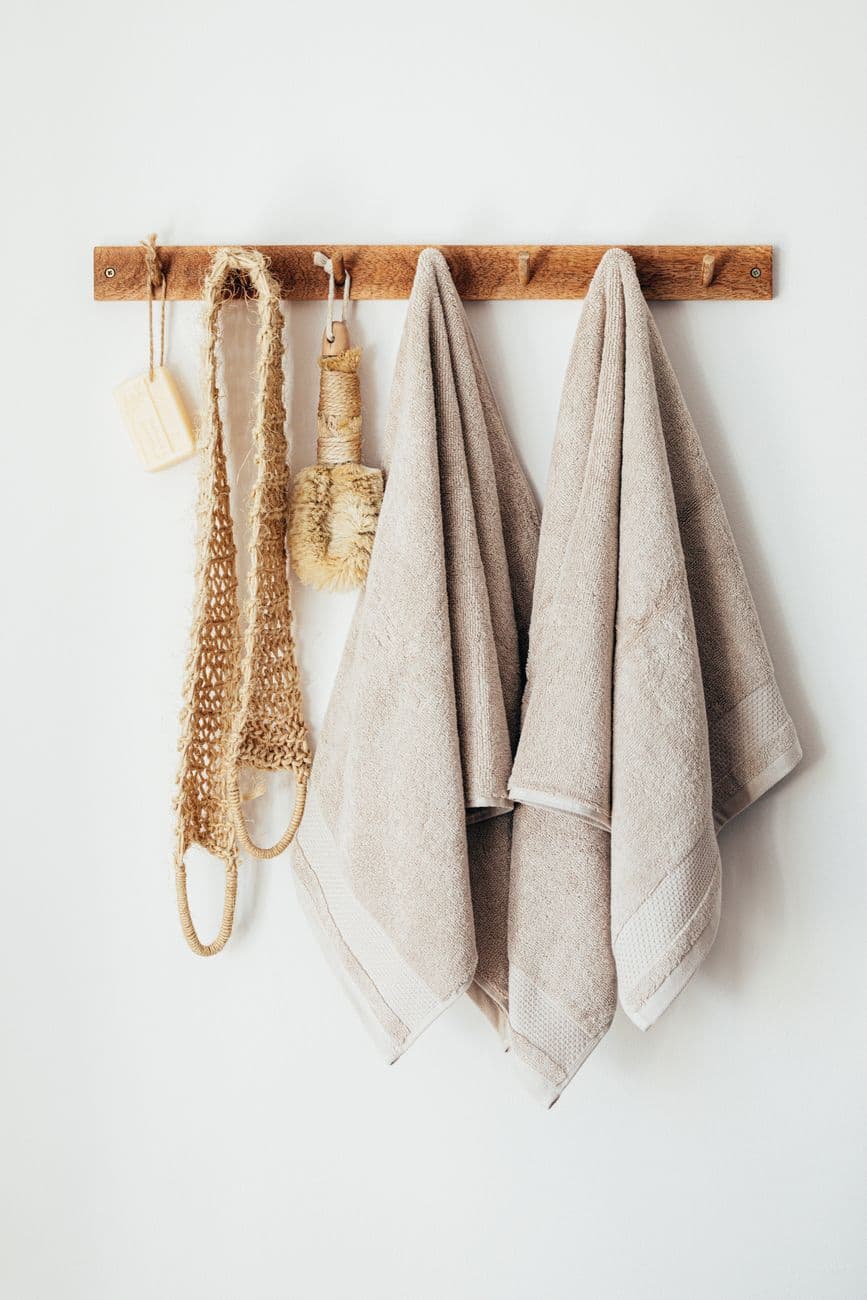
Choose for how you dry
Pick microfibre for multiple swims; cotton for comfort when you can fully dry it.
Shake, don’t rub
Firm shakes and a mat at the beach remove most sand without grinding it in.
Dry completely before storing
Sun and airflow stop odour; store only fully dry towels in breathable spaces.
Why this matters for South African beach days
We live for warm afternoons at the coast, but a sandy, sodden towel can undo the best day. This page focuses tightly on three things: keeping sand off towels, getting them to dry quickly between swims, and keeping them smelling fresh for the next outing. We draw on everyday experience - family weekends at Muizenberg, quick dips at Durban’s Golden Mile, or a weekday swim at a nearby lagoon - and offer steps that work with local weather patterns and our typical home drying options.
Quick overview - what we’ll cover
- Pre-beach choices that make sand less clingy.
- At-the-beach routines to stay sand-free and speed-dry.
- Post-beach cleaning, storage and refresh tips that prevent odour.
How towel material affects sand, drying and smell
Different fabrics behave very differently on sand and when wet. Rather than generic “pick a towel”, we compare three common kinds so you can choose with purpose for your usual routine (family outings, beach runs, or travel). Use this to match a towel to where you go and how you dry it afterward.
| Feature | Cotton (terry) towels | Microfibre / fast-dry |
|---|---|---|
| Sand behaviour | Fuzzier surface holds sand; shake out required. | Smoother surfaces let sand fall away when shaken. |
| Drying speed | Slow to dry in high humidity; heavier when wet. | Dries quickly; ideal for multiple swims in one day. |
| Freshness and smell | Absorbs salts and oils; needs good drying and occasional washing. | Dries before bacteria multiply; less prone to lingering odours. |
Which one to pick for your routine
If we expect several swims in a day or have limited drying space at home, microfibre or lightweight waffle towels make more sense. For the classic beach-lounging, thicker cotton terry feels better underfoot and for wrapping up - but accept extra care to keep it sand-free and odour-free. For many households we recommend keeping one of each: a cotton towel for comfort and a microfibre towel for quick-dry practicality. Explore our Beach Towels articles to see styles and options that fit both needs. Beach Towels
A simple at-the-beach routine that really works
Practice beats theory at the shoreline. These short steps keep sand off, get the towel ready for the next swim, and stop odour before it starts.
Before you leave home
- Fold or roll towels tightly into a mesh bag or cotton carry sack - this limits exposure to wind-blown sand in parking areas.
- Bring a small, flat plastic mat or foldable beach mat to sit on - it gives a clean surface to lay towels and reduces shaking on the sand.
At the beach - sand-free steps
- Lay a towel on a mat or a dry patch of sand; avoid direct contact with damp sand near the waterline.
- After each dip, stand and wring by hand (for microfibre) or give a firm two-handed shake for terry towels - most sand falls out in the first shake.
- If wind is strong, hold one corner and gently brush sand downward with your hand; never rub sand into fibres.
These small moves make a noticeable difference: sand that doesn’t get ground into fibres is much easier to remove later, and a towel that’s not saturated dries faster in the sun and breeze.
Speed-drying while you’re still at the beach
- Open the towel fully and prop it on a towel rail, bag straps, or on a low fence so both sides get breeze.
- Use a microfibre towel as a quick-change option - it becomes usable again in 15-30 minutes on a warm, windy day.
- Rotate damp towels so the sun hits both faces; avoid folding a wet towel into a bag - that traps moisture and causes odour.
If we need to leave while towels are still damp, fold them so the damp parts are exposed to airflow rather than packed inside. For family days, consider swapping damp cotton towels for a dry backup kept in a ventilated bag.
For more product choices aimed at fast-dry, space-saving options, browse our Garden & Outdoor pages and see what suits your routine. Garden & Outdoor
How we clean and store towels so they stay fresh
A quick, honest routine after you get home finishes the job. Leaving salty, sandy towels crumpled in a car or a closed bag creates both odour and fibre damage. Follow these steps to keep towels hygienic and long-lived.
Short-term care (same day)
- Shake each towel outdoors to remove loose sand before it enters your home.
- Rinse in cold tap water if they’re oily or heavily salted - a quick rinse stops build-up.
- Hang towels unfolded on a line or clothes rail in sun and breeze; avoid tumble-drying daily as heat can harden fibres over time.
Washing and odour control
For regular washing, use a warm wash cycle with a good detergent. Add half a cup of white vinegar to the rinse cycle once a month to break down oils and reduce lingering smells - vinegar is a low-risk, effective option we use often. If towels feel stiff after washing, a short tumble on low heat or an extra rinse can soften them.
Storage tips that prevent mustiness
- Make sure towels are completely dry before folding; moisture trapped in folds encourages mildew.
- Store in an airy linen closet or a breathable cotton bag; avoid plastic boxes for long-term storage.
- Place a sachet of activated charcoal or low-scent lavender in the cupboard to absorb residual moisture and keep a fresh smell.
When to replace towels
Towels that fail to regain absorbency, shed excessively, or have permanent odour despite cleaning are ready to retire. For a good-quality cotton beach towel we often see useful life of 2-4 years with regular use; microfibre towels can last longer under heavy wet-use because they dry faster and avoid bacterial growth. For replacement browsing, our Beach Towels collection is a practical place to start. Beach Towels
Practical examples from everyday South African life
We asked ourselves how these steps play out in common local scenarios so you can picture them and adapt.
Family braai at the beach car park
Bring a folded cotton towel in a mesh bag plus a microfibre towel for the kids. After the swim, shake towels over the sand, do a quick rinse for sticky ice-cream spots, hang both on the car roof rack (if safe) to dry in the afternoon breeze, then fold the dry microfibre into a ventilated bag for the trip home.
Weekday run and dip
We keep a fast-dry microfibre towel and a light change of clothes in a ventilated gym bag. Quick shakes and an open bag let towels dry between swims; at home we hang them straight on a rail near a window so morning sun finishes the job.
Small kit that helps (what we keep in our beach bag)
- Foldable beach mat or small plastic tarp for a sand-free base.
- Mesh bag for damp towels and a spare microfibre towel.
- Small bottle of laundry soap for quick rinses and a clothespin or two for rails.
These items cost little and make our towels easier to manage - often saving time and wash cycles.
We hope these steps make beach days easier and more relaxed. When you’re ready to refresh your kit, our Beach Towels collection shows options across cotton and fast-dry designs - choose what fits your family’s rhythm and drying setup. For other outdoor kit and accessories that pair well with towels, explore our Garden & Outdoor hub. Garden & Outdoor

Performance Marketing Lead at Bash, with a background in marketing from UNISA and years spent driving paid search strategy at leading e-commerce brands like takealot.com, I focus on data-driven growth, Google Ads optimization, and scaling digital performance.
Disclaimer: This content is for educational purposes only. Product availability, pricing, and specifications are subject to change. Always verify current details on the retailer's website before making a purchase.
Sources
- Bash - Beach Towels
- Textile care and laundering guidance - University extension
- South African environmental and coastal best-practice resources


