
Moisture-wicking bedding sets for humid coastal regions
Compare moisture-wicking bedding options for humid coastal homes. Practical picks, care tips and South African price ranges to help you choose the right set.
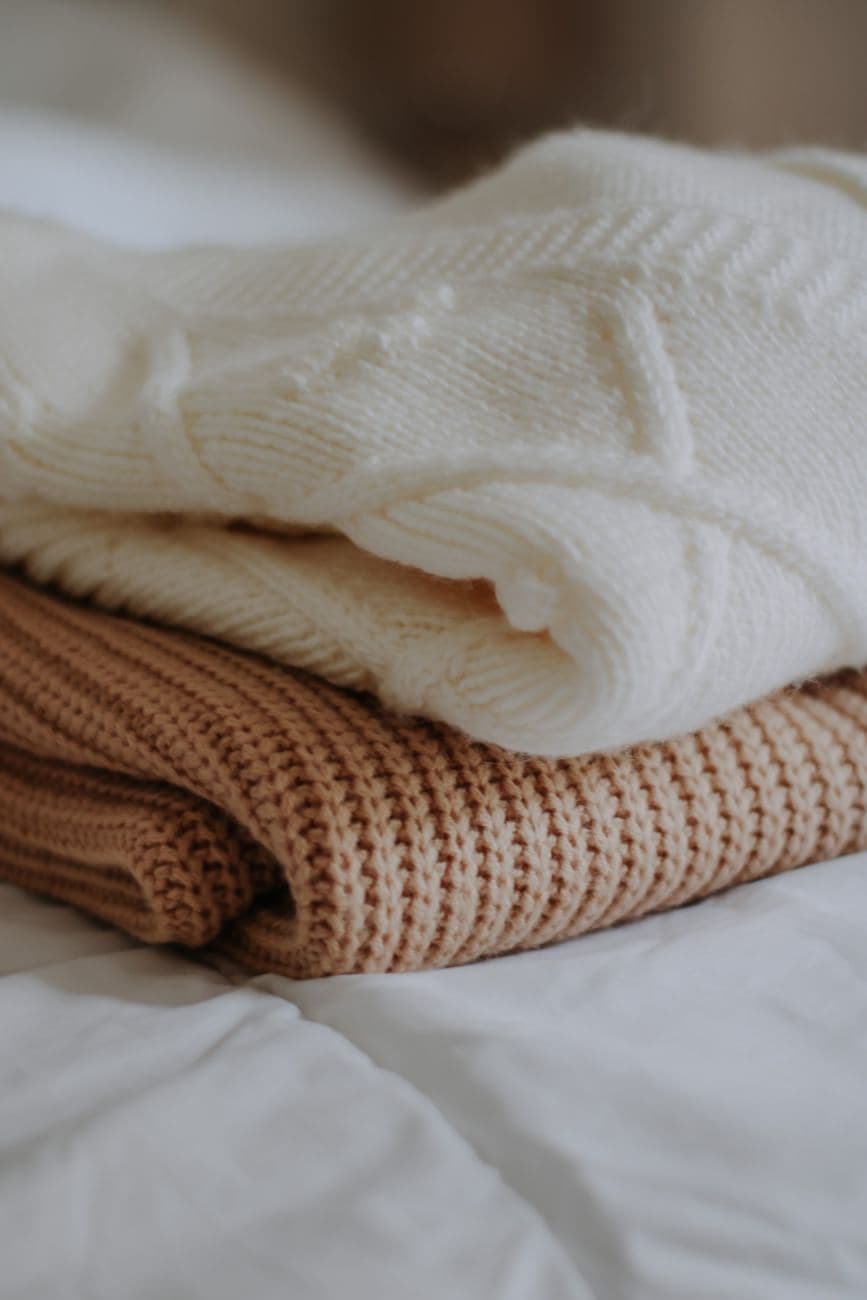
Pick by moisture handling
Prioritise fabrics that move sweat away from skin and dry quickly in humid air.
Pair sheets and inners
Combine breathable sheets with a light duvet inner for adaptable coastal comfort.
Care for coastal conditions
Wash, air, and rotate sets often; avoid airtight storage while humidity is high.
Why moisture-wicking bedding matters on the coast
Living by the coast means warmer nights and higher indoor humidity for much of the year. That extra moisture changes how bedding performs: fabrics that trap dampness feel clammy, smell faster and take longer to dry. We focus on bedding sets that move sweat and humidity away from the body, dry quickly, and stay comfortable without heavy, layered solutions.
What we mean by "moisture-wicking bedding sets"
A moisture-wicking bedding set pairs a breathable sheet weave with inner layers (like a light duvet or breathable duvet inner) designed to transfer moisture to the fabric surface where it evaporates faster. For coastal homes we prefer lighter fills and open weaves that balance cooling with night-time warmth when the breeze drops.
Quick comparison table: two practical approaches
| Feature | Natural-fibre blends (cotton/linen blends) | Performance fibres (bamboo-derived rayon / technical microfibres) |
|---|---|---|
| Material & feel | Light, slightly textured; improves with washing; cool-per-touch when dry. | Smooth, jersey-like or sateen finishes; engineered for quick moisture transfer. |
| Breathability & moisture handling | Very breathable; wicks modestly but slower to shed heavy humidity. | Higher wick rate; dries faster but may feel less airy on very hot nights. |
| Price & care (typical South Africa ranges) | R450-R2 500 depending on blend and brand; machine wash, line-dry recommended. | R350-R2 200; machine wash, tumble-dry low often possible but check label. |
How we compare options for coastal homes
We judge sets by three practical measurements: how quickly they move moisture from skin to fabric surface; how fast they dry in still, humid air; and how comfortable they feel against skin at night temperatures between 18-26°C (a common coastal range). For people who sweat or share a bed with different temperature needs, moisture-handling should be the leading factor over thread count or sheen.
A short checklist before you buy
- Choose open weaves (percale or lightweight linen blends) or engineered performance weaves.
- Prefer lighter duvet inners (200-300g hollowfibre or lightweight natural fills) rather than heavy duvets.
- Look for labelled moisture-wicking or quick-dry claims and check care instructions for drying options.
- Consider a breathable mattress protector to reduce dampness transfer to sheets.
Where to look on Bash
To explore options that match each approach, browse our Bed & Linen category for cotton and linen-blend sets and check Duvet Inners & Pillows to pair lighter inners. For lightweight throws and extra layers, see Blankets & Throws-these let you adapt as coastal evenings change.
Three recommended moisture-wicking bedding set profiles
Not every coastal bedroom needs the same solution. Below are three profiles we use when helping customers choose bedding that handles humidity while staying comfortable.
1. Everyday coastal: cotton-percale set + light hollowfibre duvet inner
Why it works: percale's open weave breathes well and feels crisp; paired with a 200-300g hollowfibre duvet inner you get warmth without trapping moisture. Typical budget: R450-R1 200 for a full set and R250-R700 for a light duvet inner. Care tips: wash regularly, line-dry on windy days and store in a breathable bag between seasons.
2. Performance comfort: bamboo-derived rayon sheets + low-fill natural inner
Why it works: bamboo-rayon and similar viscose blends wick quickly and feel silky, which helps when nights are muggy. Pair with a low-fill natural inner (e.g., light wool or low-fill down alternative) if you want some warmth without bulk. Typical budget: R650-R2 000 for sheets and R600-R1 800 for a natural light inner. Note: check care labels-some viscose blends need gentler washing.
3. Minimalist coastal: lightweight linen blend sheets with an adaptable throw
Why it works: linen-blend sets give the natural breathability of flax but soften faster than pure linen. Use a thin duvet inner and keep a breathable throw at the foot of the bed for cooler nights. Typical budget: R900-R2 500 depending on blend and brand. Linen blends are forgiving in humid conditions and dry relatively quickly when the sun or breeze returns.
Practical buying and care advice for South African coastal homes
Small daily habits make a big difference in humid conditions. Open windows when the morning breeze comes, avoid heavy comforters that stay damp for days, and rotate sets so one is always fully dry while the other is in use. For storage, never seal damp bedding in airtight bags-use breathable cotton storage sacks instead.
Simple care routine we recommend
- Wash bedding every 1-2 weeks in warm water; aim to dry thoroughly in sun or on a line when possible.
- For rainy stretches, use a low-heat tumble-dry cycle briefly and finish on a line to avoid fabric breakdown.
- Air mattress protectors weekly and swap sheets immediately after any damp or salty exposure (e.g., after an overnight coastal run or coming in from the beach).
How we test recommendations at Bash
When selecting moisture-wicking bedding for our ranges we check feel, dry time in still-humid conditions, and real-use comfort across multiple nights. We prefer options that require minimal special care and that pair well with breathable mattress protection and light inners.
If you want to explore these options, start with our Bed & Linen category and match a light Duvet Inner that suits your typical night temperature. Small swaps-a lighter inner, a breathable protector, and a performance sheet-often have the biggest impact.
Sources
- Sleep Foundation - What is moisture-wicking fabric?
- CSIRO - Research on thermoregulation and fabric performance
- South African Weather Service - Climate context for coastal regions

Performance Marketing Lead at Bash, with a background in marketing from UNISA and years spent driving paid search strategy at leading e-commerce brands like takealot.com, I focus on data-driven growth, Google Ads optimization, and scaling digital performance.
Disclaimer: This content is for educational purposes only. Product availability, pricing, and specifications are subject to change. Always verify current details on the retailer's website before making a purchase.


