How to choose wine glass shapes and sizes for different wines
Learn which wine glass shapes and sizes suit sparkling, white and red wines. Practical tips, South African context, and product pointers from Bash.
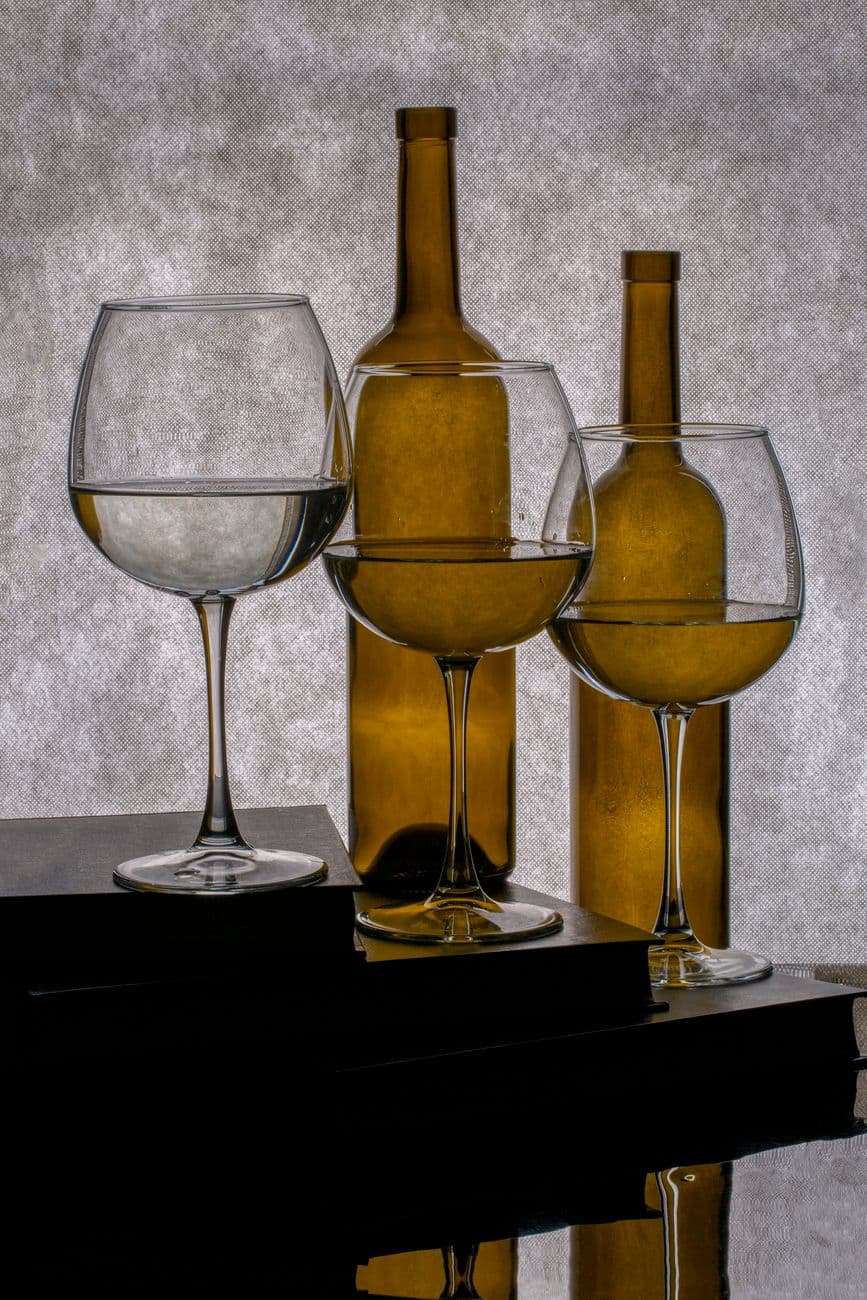
Match shape to wine
Large bowls for big reds, narrow tulips for sparkling, medium bowls for most whites.
One versatile set works
A medium-large tapered glass covers most wines if storage or budget is limited.
Practical South African tips
Keep stems for dinner, stemless for casual and outdoor use; check dishwasher guidance.
Why glass shape and size matter
We often focus on the bottle, but the glass you pour into changes how a wine smells and tastes. Glass shape directs aroma to your nose, mouthfeel to your palate, and even the temperature a wine keeps on the counter. Choosing the right wine glass is a small change that gives noticeable results-whether you’re opening a chilled Chenin blanc after work or decanting a bold Shiraz for a weekend braai.
Three simple rules we use when choosing glasses
- Match bowl size to aroma intensity: bigger bowls capture complex aromas; smaller bowls focus delicate notes.
- Use rim shape to guide flavour: narrower rims concentrate aromas; wider rims ease tannins on the palate.
- Consider stem vs stemless for temperature control: stems keep hands off the bowl; stemless are casual and stackable.
Quick comparison: common glass families
| Feature | Bordeaux / Large red | Burgundy / Pinot-style red |
|---|---|---|
| Typical bowl | Tall, broad bowl that concentrates aromas above the rim | Wide, balloon-shaped bowl to enhance delicate aromatics |
| Best for | Cabernet Sauvignon, Shiraz, full-bodied blends | Pinot Noir and lighter, more aromatic reds |
| Estimate price band (typical retail in SA) | R150-R600 per set/4 depending on brand and crystal content | R200-R800 per set/4 for glass or crystal options |
How to read that table
The table shows two representative red-glass families so you can map a wine to a style quickly. We chose broad price bands because glass quality and brand affect cost. If you want to shop, our Barware collection includes a wide range of shapes to test at home: Barware.
A practical pick-list by wine style
Below are the glass families we reach for most often, and why. These are practical, not prescriptive-if you have one set, learn how to use it for multiple styles first.
1. Sparkling wines and MCCs
Use a tulip or flute with a narrow mouth to preserve bubbles and concentrate floral scents. For older, lees-aged Cap Classique or prestige MCCs, a tulip (slightly wider bowl than a flute) helps the complex aromas open without losing effervescence.
2. Crisp whites (Sauvignon Blanc, Chenin Blanc)
Choose a medium bowl with a narrower rim-this keeps aromatics focused and the wine cooler on the counter. South African Chenin is versatile; a medium white glass highlights acidity and stone fruit without overpowering texture.
3. Full-bodied whites (oaked Chardonnay)
A larger white wine glass with more bowl surface helps buttery, oak-driven Chardonnays breathe and release vanilla and roast notes. The extra surface lets the wine open even at service temperature.
4. Light-to-medium reds
Wider, more balloon-shaped red glasses let delicate reds like Pinot Noir show perfume without the tannins dominating. Use a glass that directs aroma gently to the nose.
5. Big, tannic reds
Full-bodied reds-Shiraz, Cabernet blends, ageing-worthy Stellenbosch reds-benefit from a taller, broad bowl. The shape smooths tannins by guiding wine to the mid-palate; it also handles larger pours for decanting or aeration.
How size influences serving and storage
Bigger bowls improve aeration but need more storage space. For everyday homes with limited cabinet room, consider mixing one or two versatile large glasses with a set of smaller, stackable white glasses. If you host often, a dedicated set of four to six of each major type covers most wines and occasions.
Stem vs stemless: practical trade-offs
Stems keep heat from hands away from the bowl and are the classic choice for tasting. Stemless glasses are casual, dishwasher-friendly, and take up less shelf space. For our kitchens, we keep stems for dinner and stemless for everyday meals and outdoor use.
How to choose when you only want one set
If a single set must do everything, pick a medium-large universal wine glass with a gently tapered rim. That shape handles whites and most reds and performs adequately for sparkling wine if poured carefully. When you’re ready to expand, look at the Kitchen & Dining hub to compare glass families and serving pieces.
Buying tips from our experience
- Check durability and dishwasher guidance-thin crystal can be delicate; some sets are hand-wash only.
- Buy smaller starter sets (2-4) to test a shape before committing to a large set.
- Consider local makers for better value: hand-blown or regional-brand glasses often match international quality at friendlier prices.
Practical examples and South African context
For a weekday family braai, we reach for stemless medium-large glasses-durable, easy to rinse and keep cool near the coals. For a winter dinner with an older Stellenbosch Cabernet, we use large-bowled, stemmed Bordeaux glasses and allow the wine an hour to open. If you buy from Bash, our Barware selection makes it simple to pair glass styles with decanters and serving trays in one place: Barware.
Estimated local prices and what they get you
Expect entry-level sets in the range of R150-R400 for a basic four-pack; mid-range branded glassware commonly sits between R400-R1 200 per set; premium crystal or designer sets may be R1 200 and above. These are guideline bands; look for reviews and product descriptions for rim thickness, lead-free crystal notes, and dishwasher suitability.
Caring for your wine glasses
Wash by hand if the glass is thin crystal. Rinse immediately after use to avoid residue marks. Store upright in a cupboard with enough headroom-avoid stacking unless the glass is explicitly stackable. Small care steps protect your investment and keep aromas clean.
When to upgrade your collection
Upgrade when you find yourself reached-for the same glass repeatedly, when hosting more than four guests often, or when you’re exploring more serious, age-worthy bottles that benefit from shape-specific glasses.
Sources above provide technical background and tasting rationale. Our recommendations are grounded in regular home use across South African homes and events-practical choices that balance performance with everyday life on our countertops.
Ready to shop? Browse Kitchen & Dining to find the right option for you.

Performance Marketing Lead at Bash, with a background in marketing from UNISA and years spent driving paid search strategy at leading e-commerce brands like takealot.com, I focus on data-driven growth, Google Ads optimization, and scaling digital performance.
Disclaimer: This content is for educational purposes only. Product availability, pricing, and specifications are subject to change. Always verify current details on the retailer's website before making a purchase.
Sources
- Wine Folly - Wine Glass Types and Uses
- Decanter - How Wine Glass Shape Affects Taste
- VinPro - South African Wine Industry Resources