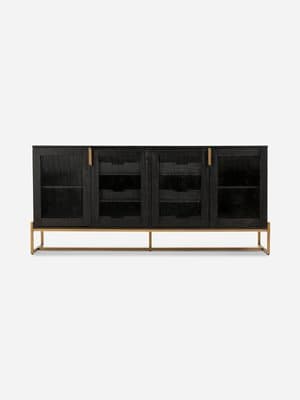
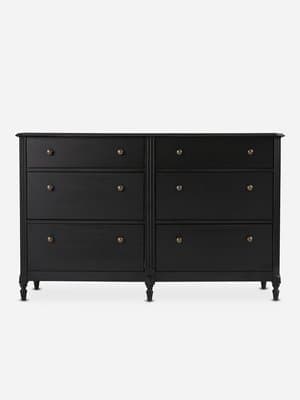
Sideboard cabinet styles and placement tips for South African homes
Discover sideboard cabinet styles and practical placement tips tailored to South African homes. Measure first, pick materials for local climates and shop matching pieces on Bash.

Match style to use
Choose depth and internal layout based on whether you store plates, linen or media.
Placement matters
Keep 60-90 cm circulation and align height with seating or countertop levels.
Materials for local climate
Prefer veneers or powder-coated finishes for humid or coastal homes.
Why a sideboard cabinet matters for modern South African homes
A sideboard cabinet is more than a piece of storage: it anchors a wall, organises daily items and quietly lifts the room’s look. In South African homes - whether a compact inner-city apartment, a family house in a township, or a coastal cottage - the right sideboard helps manage space, weather seasonal needs, and work with common rhythms like weekend braais, homework time, or weekday meal prep.
How we think about function first
Start by listing what you need to store: extra plates and linen, barware and bottles, paperwork or children’s craft, or electronics and media. This list determines depth, internal layout and door type. Shallow cabinets (30-40 cm) suit hallway or entry use; deeper units (45-55 cm) work in dining areas where plates and serving dishes live. If you need concealed shelving for noisy equipment, choose a model with solid doors and internal cable access.
Sideboard cabinet styles that suit South African homes
- Low-profile modern: clean lines, slim legs - good for small lounges and apartments; keeps sightlines open and works with a wall-mounted TV.
- Classic timber: solid or veneered wood brings warmth and ages well in mixed-material rooms. Hardwoods or oak-effect veneer give a timeless look for dining rooms and livingrooms.
- Industrial metal-and-wood: durable for an open-plan kitchen-dining where frequent use and occasional spills happen; metal frames handle humidity better in coastal homes.
- Built-in look (fitted): for irregular walls or under stairs - makes the sideboard feel like architecture, maximising storage without appearing bulky.
Materials, finishes and longevity
In South Africa consider humidity and sun exposure. Solid wood is beautiful but needs treatment in very humid or sun-facing rooms. Laminates and veneers offer stable colour and lower maintenance. For coastal homes prioritise powder-coated metal or marine-grade finishes on handles. Soft-close hinges and adjustable shelves are small features that pay off in everyday use.
Practical dimension rules
A practical baseline: height 75-95 cm (matches most countertop heights and works as an occasional serving surface); depth 30-55 cm depending on use; length tailored to wall - small spaces: 80-120 cm, typical dining wall: 150-220 cm. Leave 10-15 cm clearance from radiators and allow 60-90 cm circulation in front so doors and drawers open comfortably.
Where to look on Bash for options
We keep a range of suitable pieces across price bands in our Drawers & Cabinets collection. Explore styles and compare sizes to match your measurements. Drawers & Cabinets
Placement tips: make the sideboard work, not fight the room
Placement is where good design becomes usable design. Below we describe clear placement strategies for common South African spaces and how to customise them for your home.
Dining room - a host’s ally
Place the sideboard on a free wall close to the dining table so serving dishes and extra crockery are a short reach away. If your dining area shares space with the kitchen, choose a medium-depth unit (40-50 cm) so large platters fit but it doesn’t block flow. A low-profile sideboard beneath a large mirror or artwork creates a light, balanced focal point. For rainy Cape winters keep table linens in a humidity-controlled drawer or use sealed containers; estimated cost for a mid-range solid-veneer dining sideboard starts around R3 500-R12 000 depending on size and wood species.
Entry hall - storage that welcomes
A shallow sideboard becomes a landing station: keys, umbrellas, school bags. Choose models with a mix of closed storage and a couple of open cubbies for quick access. Add a slim tray for small items and a wall hook nearby for jackets. Keep at least 90 cm of clear circulation if your entry is also a passageway.
Livingroom and media - hide cables, keep style
If the sideboard doubles as a media unit, position it so the TV sits at eye level when seated (screen centre typically 90-110 cm from the floor). Choose internal ventilation and rear cut-outs for cables. Floating shelves above a sideboard add display space without crowding the surface.
Bedroom and multi-use spaces
Use a sideboard in bedrooms as a low dresser or linen store. In smaller rooms, a slim sideboard at the foot of the bed can substitute for bulky wardrobes; ensure drawer depths suit folded sheets. For home offices, select a sideboard that can store paperwork and also serve as a printer surface.
Real-world placement checklist
- Measure twice: wall length, door swing, and available circulation.
- Match scale: low and long for wide walls; tall narrow pieces for short walls.
- Think layers: mirror or artwork above, rug below to ground the piece.
- Consider lighting: add table lamps or wall sconces for evening use.
Styling and everyday use
Keep the surface partly clear for daily tasks. Group objects in odd numbers and vary heights: a lamp, a shallow bowl for keys and a framed photo reads as intentional, not cluttered. For entertaining, reserve one cabinet shelf for glassware and another for table linens so set-up is faster.
Quick tip: If you’re unsure about scale, tape the measured footprint on the wall and floor - we’ve found this saves unpleasant returns and makes shopping decisions easier.
Where to start shopping and what to ask
Measure, identify your primary use, and set a realistic budget. Browse our Tables and Mirrors to build complementary layers. When comparing products, check internal shelf adjustability, finishes for humidity resistance, and delivery/inclusion details like assembly - these affect long-term value.
We hope these style notes and placement tips help you choose a sideboard cabinet that fits your home and routines. When you’re ready to explore pieces, start with measurements and the Drawers & Cabinets collection on Bash to compare sizes and finishes.

Performance Marketing Lead at Bash, with a background in marketing from UNISA and years spent driving paid search strategy at leading e-commerce brands like takealot.com, I focus on data-driven growth, Google Ads optimization, and scaling digital performance.
Disclaimer: This content is for educational purposes only. Product availability, pricing, and specifications are subject to change. Always verify current details on the retailer's website before making a purchase.
Sources
- ArchDaily - practical interior layouts and furniture scale references
- South African Building and Interior sources - guidance on materials and finishes in local climates
- Drawers & Cabinets (shop) - browse curated sideboard options on Bash
- Council for Scientific and Industrial Research (CSIR) - building material durability and local environment considerations