
Outdoor planters: choosing weatherproof materials for South African climate zones
Practical guidance to choose weatherproof outdoor planters across South African climates-materials, maintenance and product links on Bash.
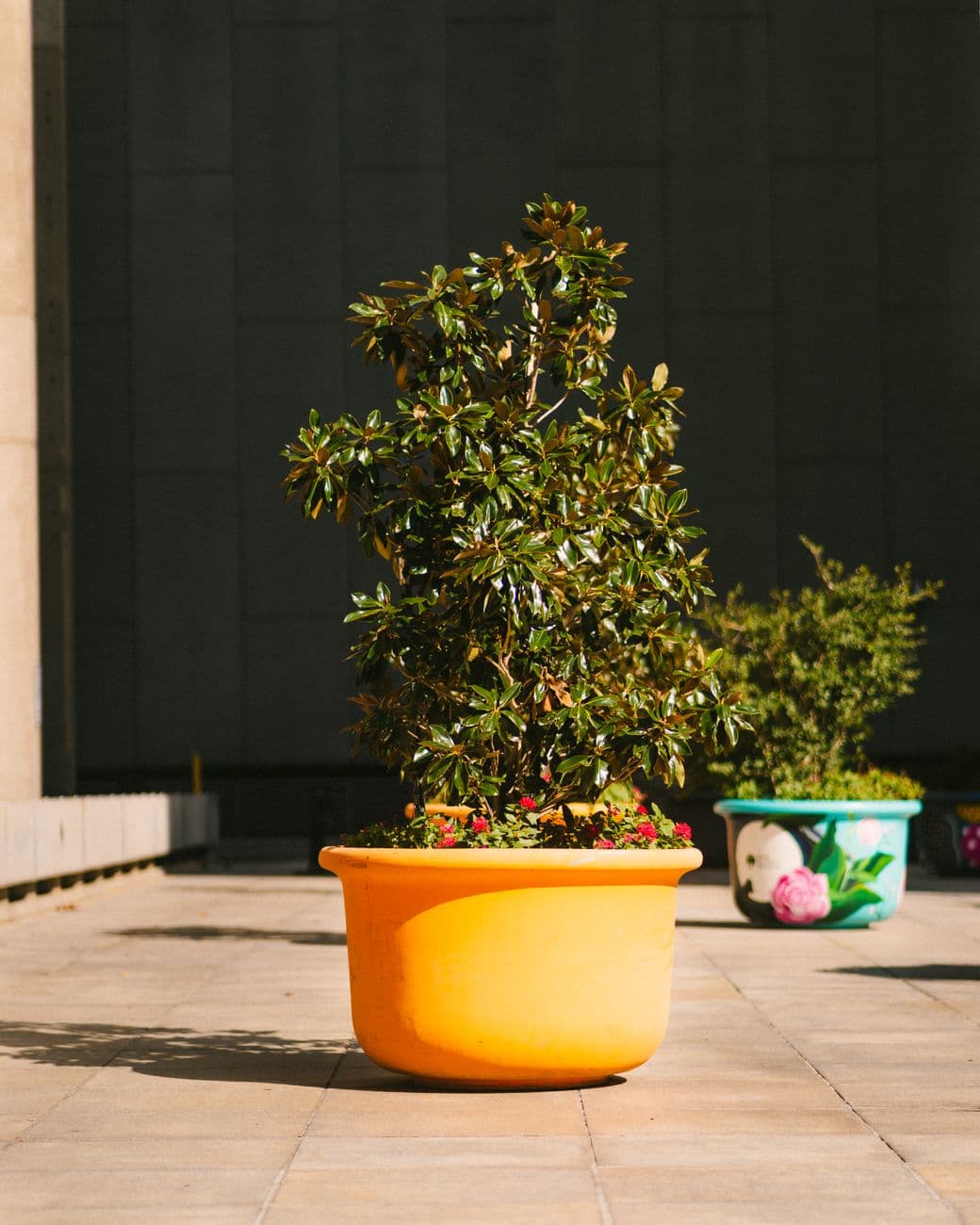
Match material to zone
Pick non-porous glazed or composite for coasts, terracotta for arid inland areas.
Think stability & weight
Choose heavier fibre-cement or weighted composites for windy spots and balconies.
Simple care extends life
Raise pots, check drainage and use UV-safe finishes where needed.
Understanding our climate zones and why material choice matters
South Africa has a wide range of climates in a small country: hot, dry interiors; winter-rain Mediterranean coasts; humid subtropical east coasts; and cooler highveld conditions. Each zone tests planter materials differently: UV fade and heat-cracking in arid areas, freeze-thaw stress on highveld nights, and prolonged damp in coastal suburbs. Choosing a weatherproof planter material is the single most important step to avoid premature cracking, warping or rot-and to keep plants healthy with less fuss.
How we think about weatherproof performance
We focus on three practical performance measures that matter most in South African gardens: UV resistance, moisture handling (wet/dry cycles), and thermal buffering (how much the pot keeps roots cool or warm). Longevity, weight (for balconies or roof gardens), and recyclability are secondary but often decisive when you choose between options.
Quick decision checklist before you buy
- Which climate zone are you in? (coastal, highveld, arid, subtropical)
- Where will the planter sit? (full sun, shade, windy ledge, covered patio)
- Do you need lightweight for a balcony, or heavy for wind stability?
- Are you aiming for low maintenance or do you plan seasonal repotting?
Comparing common weatherproof planter materials
| Feature | Terracotta & Unglazed Clay | Fibre cement / Glazed Ceramic / Composite |
|---|---|---|
| Weatherproof traits | Breathable but porous-can crack in freeze-thaw; suits dry inland when sheltered. | Non-porous options handle coastal damp and freeze cycles better; composites resist UV and moisture. |
| Weight & placement | Heavier when large-good for windy gardens but tricky on balconies. | Range from light (plastic composites) to heavy (fibre cement); choose to match surface load limits. |
| Maintenance & cost | Affordable (from about R150) but needs seasonal care; glazing raises cost. | Wider price band (R250-R2 500); low maintenance for UV-rated composites and glazed ceramics. |
How to read that table for your situation
If you live on the coast or in a high-humidity suburb, favour non-porous glazed ceramics or engineered composites with UV stabilisers. For dry, inland courtyards where freeze-thaw is uncommon, unglazed terracotta keeps roots cooler and is forgiving for succulents. If wind is a problem, pick heavier fibre-cement or weighted composite options to prevent tipping.
We also keep a living collection of planter types across climates and rely on real-world feedback-so if you want specific product examples, browse our Planters & Gardening shop to compare materials and sizes for your zone.
Zone-by-zone material recommendations
Below are concise, experience-based suggestions tailored to common South African conditions. These are practical choices we find durable in each setting.
- Coastal east (Durban, Port Elizabeth): UV-stable composites and glazed ceramics - resist salt air and constant humidity.
- Mediterranean winter-rain coast (Cape Town): Glazed ceramics or sealed fibre cement-handles heavy winter moisture and occasional cold snaps.
- Highveld (Johannesburg, Pretoria): Frost-aware materials: glazed or composite planters that tolerate rapid temperature swings; raise pots off cold surfaces.
- Karoo & arid interiors: Terracotta for moisture control and breathability-use drip trays to protect surfaces from salts.
When you choose a material, think of the plant's water needs and the planter's thermal behaviour together. For example, succulents paired with terracotta dry out faster (good in humid homes), while shallow-rooted herbs benefit from lightweight UV-stable composite troughs on sunny balconies.
If you prefer browsing editorial advice alongside products, our Pots & Planters articles explain styling and scale, while the category shop lists stock by material and size.
Practical care tips to extend planter life
Weatherproof materials still need simple care. Match drainage to your climate (larger drainage holes and well-draining mix in summer-wet zones), raise pots on feet or pot risers to avoid trapped moisture, and apply UV-safe sealant to porous materials if you’re in a habitually sunny spot. For exposed balconies, add weight (gravel or sand-filled inner pots) to prevent tipping without permanently fastening planters.
Small adjustments that make big differences
- Line porous pots with garden fabric to slow soil loss and reduce mineral staining.
- Use light-coloured planters in hot inland areas to reduce root heat stress.
- Schedule repotting in spring for winter-rain regions to avoid root rot during wet months.
Choosing planters when budget, style and sustainability all matter
Price and sustainability often pull in different directions. Recycled composites and fibre-cement planters are often made to last (higher upfront cost, lower replacement frequency). Expect small decorative terracotta pots from around R150, while durable glazed or composite statement pieces can range from R600 to R2 500 depending on size and finish-these are guidelines and vary by style and retailer.
Where to look on Bash
To compare options by material and load-bearing needs, start at our Planters & Gardening category. If you’re styling a patio or small balcony, the Pots & Planters articles help with scale and grouping, and our outdoor furniture hubs suggest coordinating pieces in similar materials for cohesion.
Final checklist before you buy
- Confirm your climate zone and sun/wind exposure.
- Match planter material to moisture and UV demands.
- Check weight limits for balconies and transport options for heavy pots.
- Prioritise low-maintenance finishes for busy homes.
If you’re ready to shop, filter by material and size in our Planters & Gardening category to compare options side by side. We keep product details clear so you can match performance to place-whether a seaside stoep or a highveld rooftop.
Sources
- South African Climate Studies / University of Cape Town
- Materials durability and outdoor coatings reviews
- South African Department of Agriculture: soil, drainage and irrigation guidance
Ready to shop? Browse Planters & Gardening to find the right option for you.

Performance Marketing Lead at Bash, with a background in marketing from UNISA and years spent driving paid search strategy at leading e-commerce brands like takealot.com, I focus on data-driven growth, Google Ads optimization, and scaling digital performance.
Disclaimer: This content is for educational purposes only. Product availability, pricing, and specifications are subject to change. Always verify current details on the retailer's website before making a purchase.


