Lamps in South Africa: a regional buying guide by plug type and where to shop
Choose lamps that suit your South African home: regional advice, plug and wiring guidance, and where to shop on Bash for SA-ready fittings and reliable service.

Check plug and cord first
Confirm Type M plug and cord length before buying to avoid rewiring.
Match lamp to region
Choose corrosion-resistant or rechargeable lamps depending on coast or load-shedding needs.
Buy where support exists
Prefer sellers who supply SA-ready fittings or offer professional installation options.
Why region and plug type matter for lamps
We often choose lamps for style and light output, but in South Africa two practical details change the buying decision: regional power realities (load shedding, coastal humidity, apartment vs house wiring) and the plug/socket standard used across homes. Getting these right saves time, avoids returns, and keeps installation simple. Below we explain how those considerations affect lamp type, cord length, adapter needs and where to buy locally.
Quick regional realities that affect lamp choice
- Urban flats (Cape Town, Johannesburg): shorter cords, more table lamps or wall-mounted lights to save floor space.
- Coastal homes (Durban, Port Elizabeth): choose corrosion-resistant finishes and IP-rated fittings for verandas or covered outdoor areas.
- Townships and rural areas: consider robust fittings, longer cords, and battery/USB options for frequent power interruptions.
- Homes with frequent load shedding: lamps with integrated rechargeable batteries or plug-in UPS options provide light during outages.
South African plug standard: the facts we use
Most modern South African homes use the South African 3-pin plug (Type M) with 220-240 V at 50 Hz. Older or imported lamps may arrive with different plugs (Type C, Type G, or others). Before you buy, check the lamp's cord and whether the seller supplies a fitted Type M plug, an adapter, or recommends local installation by an electrician.
How plug differences change what you buy
- Imported lamps with non-Type M plugs: factor in the cost of a qualified rewire or approved adapter. Adapters can be a short-term fix but are not always suitable for high-load fittings.
- LED lamps and fixtures: these usually draw low current but still must match the voltage and be fitted with the correct plug or terminal block for fixed wiring.
- Smart lamps: if they come with power adaptors, check the adaptor’s input range and plug type - many are universal but may require a local plug or adaptor for South Africa.
We recommend confirming the plug type in the product description, or choosing items sold locally that come ready-fitted for South African sockets. For browsing products, see our Lighting & Lamps selection on Bash: Lighting & Lamps.
Practical checklist before you buy
- Measure where the lamp will sit and ensure the cord length reaches the nearest socket without trailing across walkways.
- Note whether the location requires an IP-rated fitting (covered outdoor areas) or a table lamp for a bedroom or livingroom.
- Decide on bulb base and brightness: E27 and E14 are common bases; LED bulbs save energy and perform well during unstable supply.
- Check whether the lamp is sold with a Type M plug; if not, confirm whether an electrician will fit the correct plug or terminal box.
A few South African price pointers
Prices for simple table lamps typically start around R250-R500 for basic designs; decorative or designer lamps range from R800 to several thousand rands. Rechargeable emergency table lamps with integrated batteries often sit between R350 and R1 200 depending on capacity and features. These ranges are illustrative - actual prices vary by brand and retailer.
Choosing by use case: different lamps for common SA rooms
We find it useful to think in real South African rooms: a city apartment livingroom, a coastal stoep, a student room, and a family bedroom. Each needs different lamp features.
City apartment livingroom
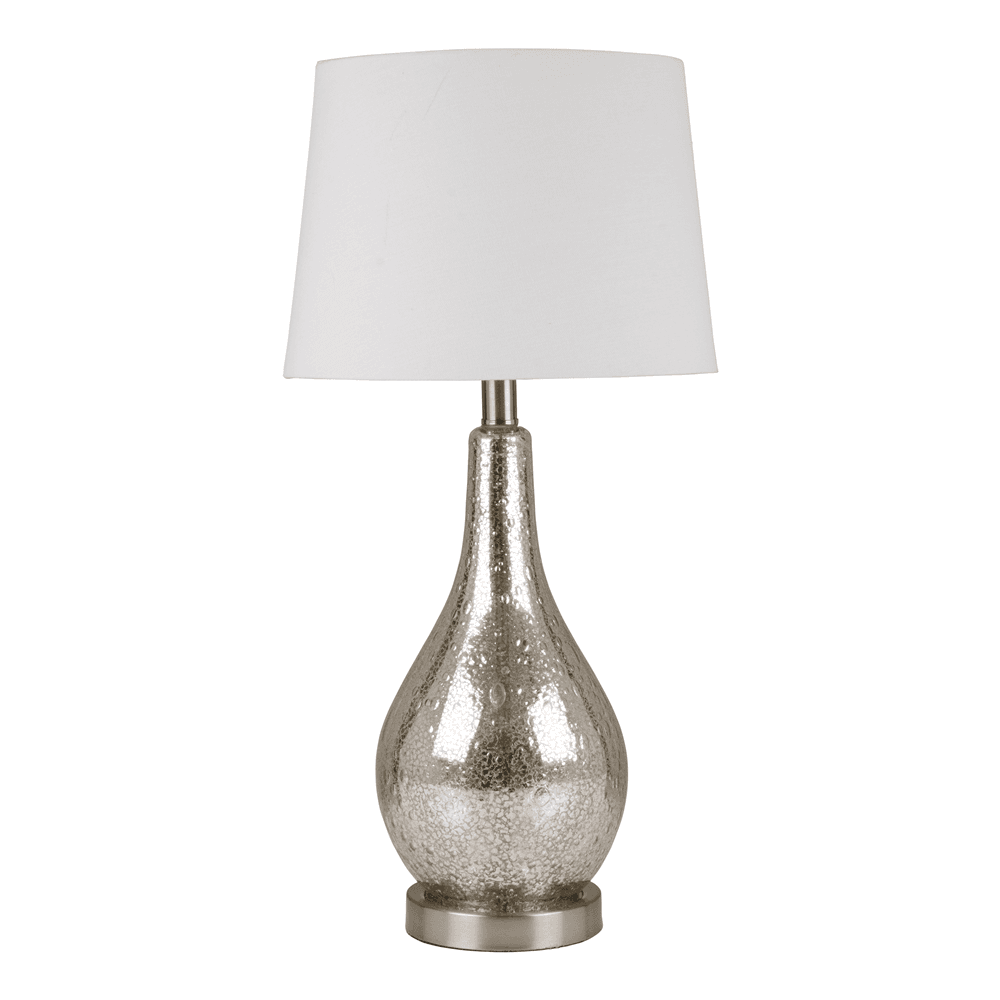
Choose floor or arc lamps that provide broad, ambient light. Pick a lamp with a long cord or plan socket placement when you buy furniture. If you’re short on sockets, a lamp with an integrated USB port can double as a charger for phones. Browse complementary tables and stands on Bash under Tables to plan placement.
Coastal homes and outdoor covered areas
For verandas and covered outdoor spaces choose fittings with corrosion-resistant finishes and IP ratings where splashing might occur. Even for covered spots, electrics near the sea benefit from stainless or sealed hardware. If wiring is exposed, have a registered electrician fit the correct Type M outlet.
Student rooms and rental flats
Portable rechargeable lamps are often the most practical - no need to rewire, and they keep working during load shedding. Look for lamps that charge from USB and have 4-8 hours runtime at mid brightness.
Family bedrooms
We prefer bedside lamps with stable bases, switch placement that’s easy to reach from bed, and warm LEDs (around 2700-3000 K) for relaxing light. If you use dimming, make sure both the lamp and bulb are rated dimmable for mains dimmers or smart dimming systems.
Where to buy - understanding retailer types in South Africa
You’ll find lamps in three main retail channels: local marketplace platforms (which aggregate many sellers), brand flagship stores, and specialist lighting stores. Each has pros and cons:
- Marketplaces: broad selection and competitive prices; check seller ratings and whether items ship with a Type M plug.
- Brand stores: reliable specifications and warranty support; often higher prices but better product support.
- Specialist lighting retailers: expert advice and fitting services, especially useful for fixed wiring and custom installs.
On Bash, we aim to bring multiple brands and categories together so you can compare designs, specs, and prices in one place. If you’re focused on furniture and styled lighting combinations, our Furniture articles and Lighting & Lamps are useful starting points.
Installation, plugs and the right safety approach
If a lamp requires hardwiring into a ceiling rose or fixed circuit, always use a qualified electrician. For plug-in lamps, a proper Type M plug or professionally fitted conversion is safer than improvised adapters. For large or high-power fixtures-pendants, chandeliers, or halogen-based fittings-confirm load compatibility with your existing circuit before buying.
Bringing it together: a short decision flow
- Where will it sit? (room and distance to socket)
- Does it need an IP rating or corrosion resistance?
- Does the lamp come with a South African Type M plug or require local fitting?
- Will you need rechargeable/emergency light for load shedding?
- Which retailer offers clear specs, seller support, and an appropriate return policy?
We’ve found that buying locally fitted lamps or items sold with Type M plugs makes setup easier and reduces unexpected extra costs. When you’re ready to shop, check product pages carefully for plug type, cord length, IP rating, and whether bulbs are included.

Performance Marketing Lead at Bash, with a background in marketing from UNISA and years spent driving paid search strategy at leading e-commerce brands like takealot.com, I focus on data-driven growth, Google Ads optimization, and scaling digital performance.
Disclaimer: This content is for educational purposes only. Product availability, pricing, and specifications are subject to change. Always verify current details on the retailer's website before making a purchase.
Sources
- Bash - Lighting & Lamps
- South African Bureau of Standards (SABS)
- Eskom - power supply and load management information
- AC power plugs and sockets - background on plug types