
How to verify trainer authenticity: a practical checklist for buyers
Step-by-step guidance to spot genuine trainers: seller checks, label and code matching, material and sole inspection, and what to do if a pair looks fake.
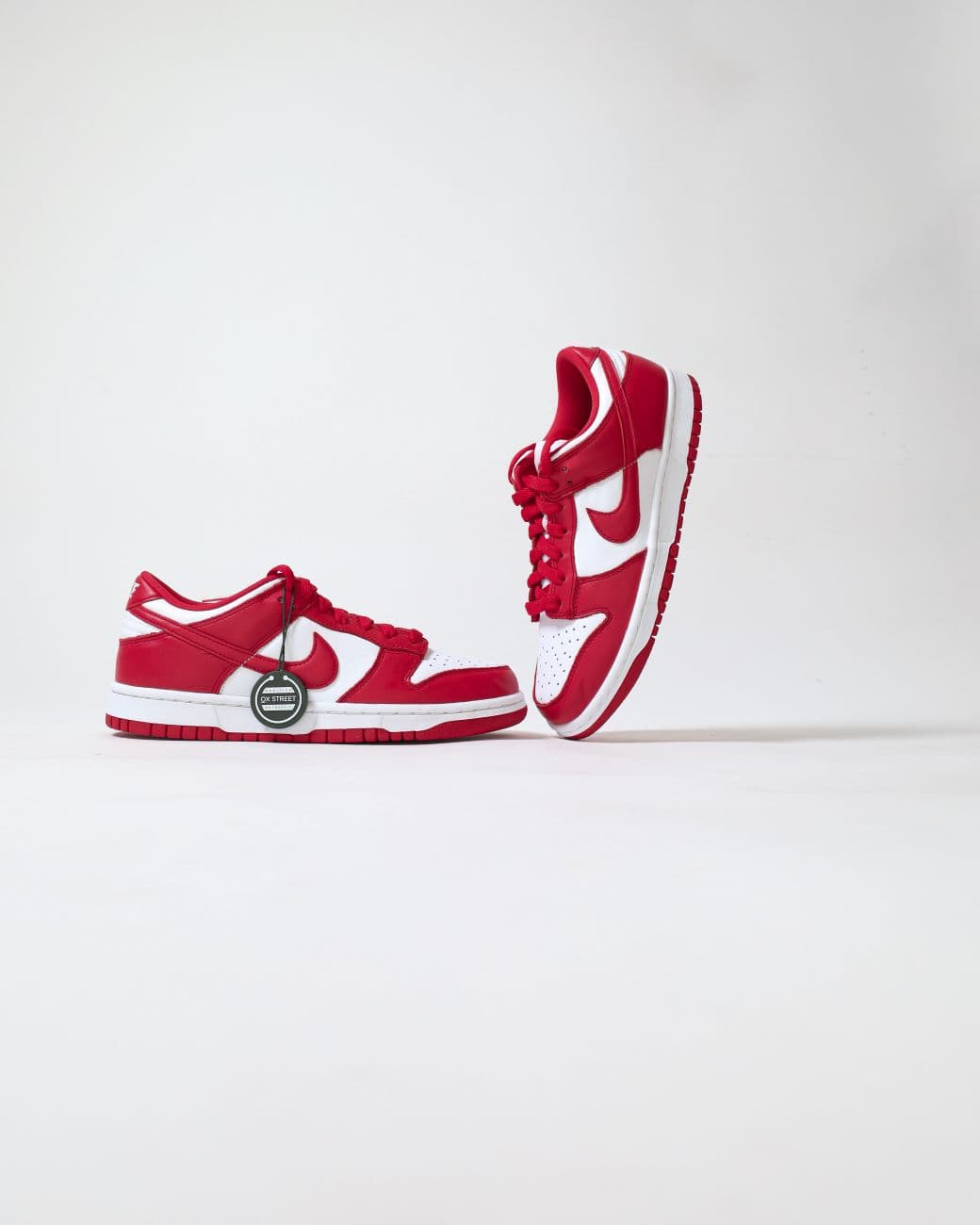
Buy from trusted sellers
Choose authorised retailers or Bash shop pages to reduce risk and access returns.
Match labels and codes
Check box labels, SKU/tongue tags and scan QR/barcodes for consistency.
Inspect materials closely
Look at stitching, sole patterns and material feel under good light.
Why authenticity matters
We see trainers as more than fashion-they're an investment in comfort, fit and safety. Counterfeit trainers can look close from a distance but often use poorer materials, have weak construction and offer no manufacturer support. These issues matter whether you're buying everyday sneakers or limited-release styles, so a few careful checks help protect your money and keep your feet comfortable.
Before you buy: trusted channels and quick sanity checks
Start by choosing where you buy. We recommend buying from recognised retailers or official brand pages because provenance is the single easiest safeguard. For a local shopping option, explore our Sneakers category to compare authorised listings and sizes across brands. If the price looks too good to be true for a current-release trainer, pause and run the checks below.
Where to prefer buying
- Official brand stores and verified brand pages on Bash such as Brands for brand-specific collections.
- Reputable multi-brand retailers and Bash shop pages for Sneakers that show seller information and returns policy.
- Factory-special drops and promotions like our Sneaker factory specials article when available-those are genuine goods offered at lower margins.
Quick front-door checks
- Compare the listed price to typical R ranges for that model-huge discounts on a brand-new release are a red flag.
- Check seller details, return policy and delivery method. No returns or cash-only deals increase risk.
- Ask for clear photos of the box label, inside tongue label, serial/SKU tag and any extra accessories (spare laces, tags).
What to check on the shoe itself
Authenticating trainers is about comparing consistent manufacturer details rather than one isolated sign. Below are the highest-yield checks we use when inspecting trainers carefully.
Labels and codes
- Box label vs tongue/inner label: model name, size, country of manufacture and SKU should match exactly.
- Serial/SKU format: most brands use consistent SKU patterns-mismatched digits or odd characters can signal a fake.
- Barcodes and QR codes: scan where possible. A working QR that links to the brand’s product page is a good sign; broken or unrelated links are suspicious.
Materials, stitching and smell
- Material feel: premium leather, suede or knit has a consistent texture. Plasticky or papery uppers often indicate lower-quality reproduction.
- Stitching: look for even, tight stitching with no loose threads or glue marks on visible seams.
- Smell: extremely chemical or glue-heavy odours are common in counterfeits; genuine pairs usually have a cleaner factory smell.
Sole patterns and construction
- Compare the sole pattern, tread shapes and logos to official images-differences in pattern scale are frequent on fakes.
- Check midsole finishing: visible gaps, uneven foam compression or poorly attached outsoles are warning signs.
Insoles, tags and accessories
- Removable insoles often carry printed details; remove them to check for correct logos and printing quality.
- Extra tags, bags or instruction leaflets should match brand styling-cheap photocopied tags are suspicious.
Cross-checking online references
When in doubt, compare the pair you’re checking to high-resolution images from the brand’s own pages or verified product listings on Bash. Use the Brands pages for official model photos and notes on releases, then look at verified retailer listings under Sneakers to view authorised variants and packaging examples.
Authentication steps after purchase
If you already have the trainers at home, these organised steps help you confirm authenticity with confidence and build a case if you need to return or dispute the purchase.
Document everything
- Keep the box, tags and original receipt or order confirmation. Photograph the box label, shoe labels, distinctive marks and any defects.
- If you purchased online, save chat logs and the product URL. This helps escalate with the seller or payment provider later.
Use brand and community resources
Many brands offer authentication help or official verification services-check the brand’s support pages on the Brands hub. Specialist community resources and verified authentication services can help for rare or collectible releases, but use them as a second opinion and prefer official brand confirmation where available.
When to return, refund or report
- If the item fails several checks (mismatched SKUs, poor materials, broken QR/barcode) return it under the seller’s policy and keep records.
- For purchases from private sellers with no returns, use your payment provider’s buyer-protection options-documented photos and mismatch details improve outcomes.
Practical examples and South African scenarios
We often see two common situations locally: second-hand private sales and heavily discounted online listings. For private sales, meet in daylight, inspect the tongue label and sole pattern, and ask for the original receipt or photo of purchase. For discounted online listings, check seller ratings on Bash and compare the price to typical R ranges for that model-if a current release is listed R3 000 lower than usual, pause and validate the SKU and photos closely.
Summary checklist
- Buy from verified sellers when possible; check seller details and returns.
- Match box label, tongue label and SKU; scan QR/barcode where present.
- Inspect materials, stitching and sole pattern under good light.
- Document everything and use brand support or trusted authentication services for expensive buys.
If you want to compare current authorised listings or browse verified releases, start with our Sneakers category or visit Brands to find model pages and official photos. When factory specials are available, we list genuine discounted options under Sneaker factory specials so you can shop with confidence.

Performance Marketing Lead at Bash, with a background in marketing from UNISA and years spent driving paid search strategy at leading e-commerce brands like takealot.com, I focus on data-driven growth, Google Ads optimization, and scaling digital performance.
Disclaimer: This content is for educational purposes only. Product availability, pricing, and specifications are subject to change. Always verify current details on the retailer's website before making a purchase.


