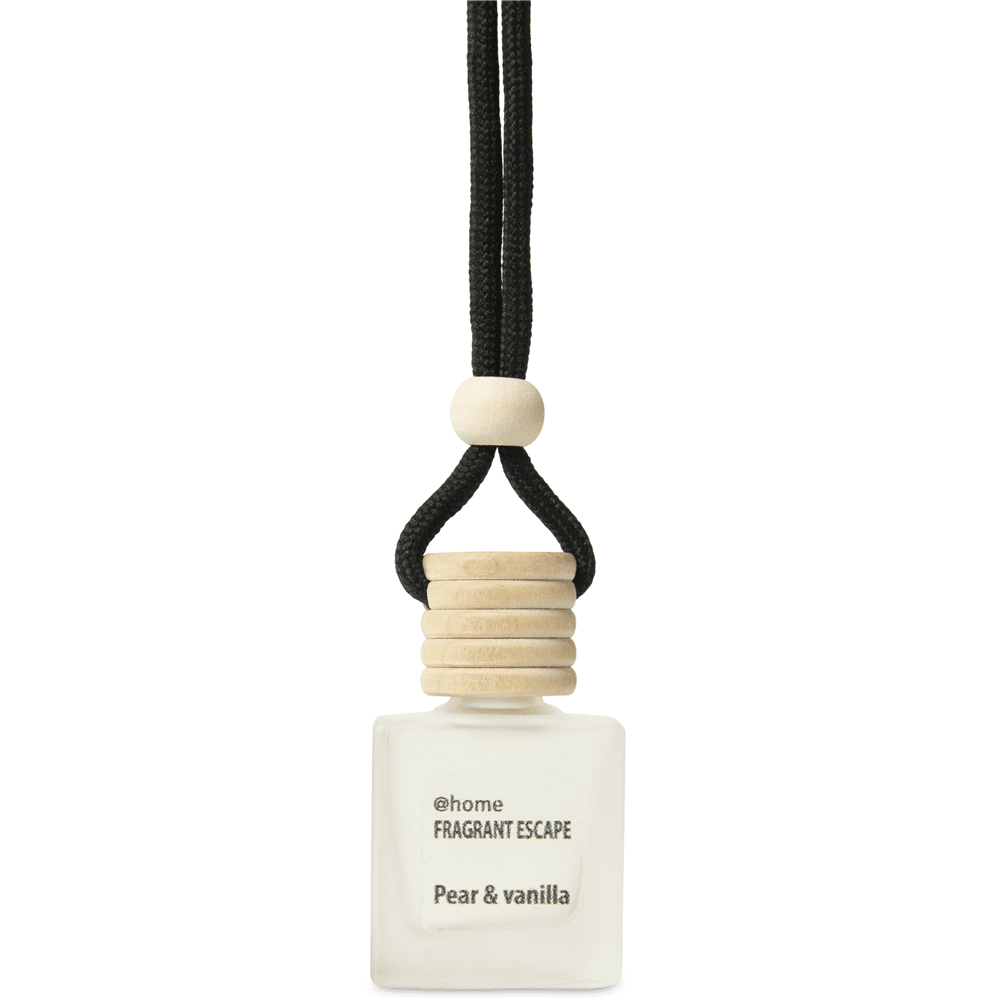
Begin a simple home fragrance routine for South African homes
A step-by-step how-to for beginners: set up a low-maintenance home fragrance routine for South African homes, with buying tips, safety, and weekly checklists.
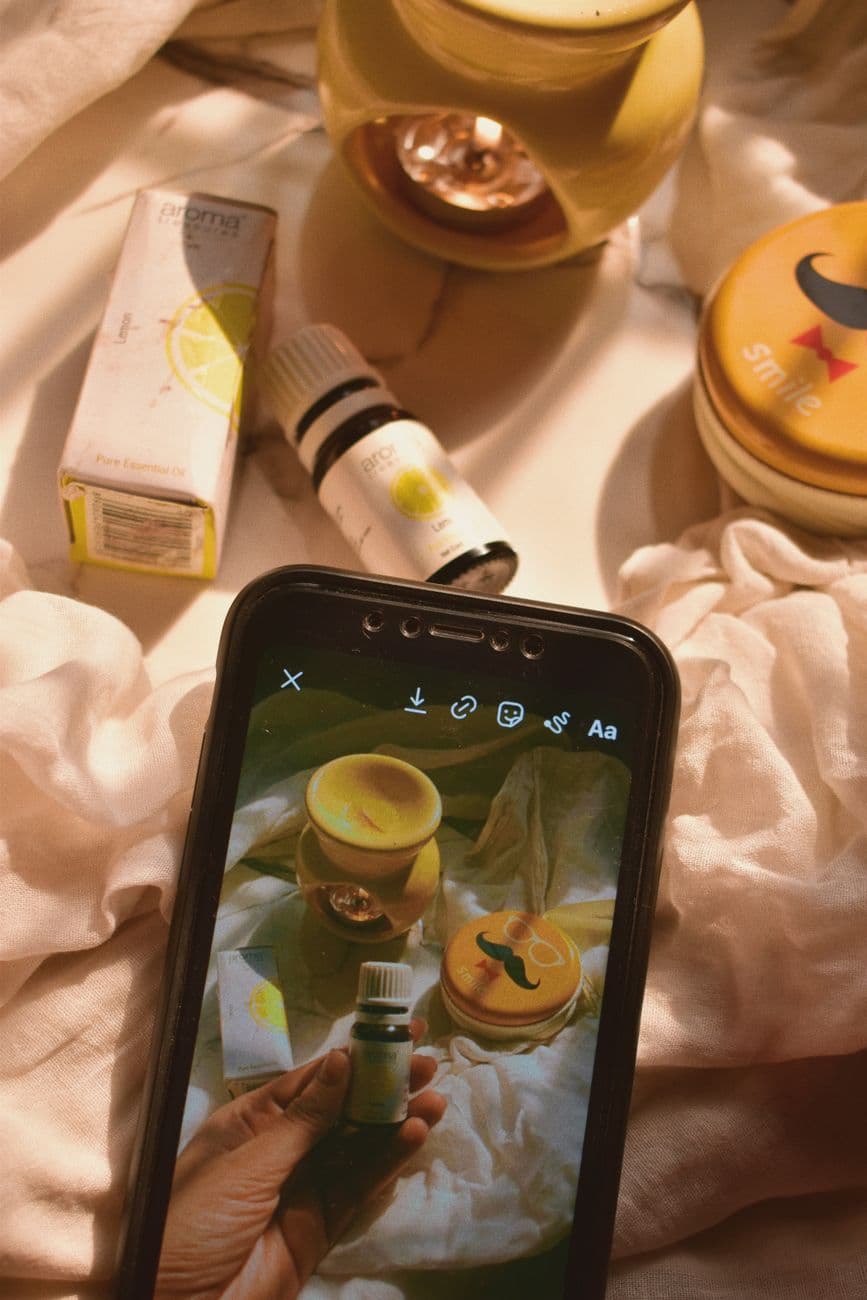
Start small
One candle, one diffuser and a spray is all you need to begin.
Two-touch daily routine
Morning diffuser or short candle burn; evening quick refresh keeps scent balanced.
Adjust, don’t overhaul
Make tiny placement or intensity changes after the first two weeks.
Why build a home fragrance routine
We believe scent should make everyday moments better, not more complicated. A routine turns occasional sprays or random candles into a small, manageable habit that improves how your home feels-especially on busy mornings, rainy Cape Town evenings, or when guests arrive. This guide focuses on simple steps you can follow from day one: choose what fits your home, set up the first-week routine, and keep it easy to maintain.
Start with why: mood, function and people
Before you buy, we ask three quick questions: What mood do we want (calm, fresh, cosy)? Which function matters most (odour control, everyday scent, welcoming guests)? Who shares the space (children, pets, people with scent sensitivities)? Your answers shape safe, useful choices and stop you from overbuying.
A one-week beginner plan (what to buy and why)
For a first week we recommend a small kit: a neutral long-burning candle or candle + holder, one reed diffuser or small electric diffuser, and a spray for quick refreshes. This mix gives immediate impact (candle), continuous background scent (diffuser) and a fast fix (spray) when you need it.
- Candle - choose unscented or lightly scented soy/wax blend if you are testing; burns up to 30-40 hours for a medium jar.
- Reed or electric diffuser - reed diffusers are low-maintenance; electric diffusers offer timers and intensity control.
- Room spray - handy for soft furnishings and quick refreshes before guests arrive.
How to pick the first scents
Keep the first two scents simple and complementary. A good pairing is a fresh-citrus or green scent for communal spaces and a soft, woody or linen scent for bedrooms. Avoid combining two strong heady fragrances at once-one background scent plus occasional sprays works best for clarity.
Set up: where, when and how much
Placement and timing are the practical heart of any routine. A thoughtful setup helps fragrance perform predictably without overwhelming anyone.
Room rules that keep things simple
- Living areas: a diffuser on a counter or shelf about 1-1.5 metres from seating spreads scent evenly.
- Bedrooms: a bedside or dresser placement keeps scent personal and gentle.
- Kitchens and bathrooms: use sprays for quick odour control rather than continuously perfuming these spaces.
Daily timing: a simple morning and evening rhythm
We suggest two brief touchpoints each day. In the morning, switch on your electric diffuser (or light a candle for 30-60 minutes) to create a fresh start. In the evening, a short refresh spray in living areas keeps the home welcoming. These tiny rituals are easy to follow and won’t add friction to a busy day.
Practical dosage: avoid scent fatigue
Less is usually more. Start with the lowest diffuser intensity or the shortest candle burn and test for three days. If the scent feels too weak, increase gently. Over-scenting causes olfactory fatigue-your nose stops noticing the scent and guests may find it strong.
Safety and daily care
We always prioritise safety. Keep candles away from drafts, children and pets; trim wicks and never leave a burning candle unattended. For reed diffusers, place them on a stable, non-porous surface and rotate or replace reeds every 6-8 weeks. For electric diffusers, follow the manufacturer instructions and use distilled water where recommended to reduce mineral build-up.
Where to shop on Bash as a beginner
If you want to start building a kit right away, browse our Home Fragrance category for curated, beginner-friendly options. For candles and holders, the Candles & Holders section has paired choices that work well together. If you’re furnishing a room and want an integrated look, our Decor and Home Furnishings categories can help you match scents with textures and colours.
Home Fragrance articles | Candles & Holders articles | Home Furnishings articles
Build habit and adjust: the second month checklist
After the first month you’ll know what works. Use this checklist to make small adjustments rather than big changes: swap one scent, change diffuser placement, or reduce intensity. These micro-steps help the routine last without costing much.
Weekly maintenance checklist
- Check candle wicks and trim to 5mm before each burn.
- Top up diffuser oil monthly, or replace reeds sooner if saturated.
- Store spare oils and candles in a cool, dark place to protect scent integrity.
Solving common beginner problems
A few practical fixes save frustration. If a space smells too strong, move the diffuser further from seating or switch to a milder fragrance. If scent disappears too quickly, check for drafts and close windows during diffuser use. If someone reacts to scent, pause and test unscented cleaning or swap to fragrance-free textiles while you narrow down triggers.
Budget-conscious choices and estimated costs
You don’t need a large spend to start a reliable routine. A medium candle or basic reed diffuser commonly sits in the R120-R400 range; a small electric diffuser can start around R300-R800 depending on features. Oils and replacement reeds are modest ongoing costs-plan for R80-R250 every few months depending on usage. These are estimates; checking product pages will give current prices and variety on Bash.
Examples: two beginner routines that fit South African homes
Routine A - Urban flat (shared living + compact kitchen): a small electric diffuser on a livingroom counter set to intermittent mode; a neutral candle for weekend evenings; spray for kitchen odours. Routine B - Family house (open plan + bedrooms): reed diffuser in the lounge, softer linen scent diffuser in the main bedroom, and short candle ritual for weekend family time. These examples reflect common local layouts and keep costs modest while covering functional needs.
How we test scents for South African homes
When we add products to our selection, we test them in real homes with common South African variables-open-plan living, urban traffic odours, pets, and varied humidity. We note intensity, persistence, and whether the scent clashes with typical local smells (like cooking aromas). Use that experience when you choose a product: look for clear description of intensity and recommended room size on product pages.
If you want a guided, low-risk start, pick one diffusing method and one candle from our Home Fragrance and Candles & Holders categories and try them for one month. Adjust as you go-small changes keep the routine enjoyable and sustainable.
We’re here to make scent simple. When you’re ready, explore our Home Fragrance collection to choose items that match the routine you built above.

Performance Marketing Lead at Bash, with a background in marketing from UNISA and years spent driving paid search strategy at leading e-commerce brands like takealot.com, I focus on data-driven growth, Google Ads optimization, and scaling digital performance.
Disclaimer: This content is for educational purposes only. Product availability, pricing, and specifications are subject to change. Always verify current details on the retailer's website before making a purchase.
Sources
- World Health Organization - Household air quality and health
- Allergy & Anaphylaxis Australia - Tips on reducing indoor triggers
- South African Government - Consumer safety and labelling guidance