
Boys' sneakers: safe playground shoes and ankle support tips
Practical, experience-based tips for choosing boys' sneakers that protect on the playground and give sensible ankle support. Fit checks, features to prioritise, care and when to seek help.
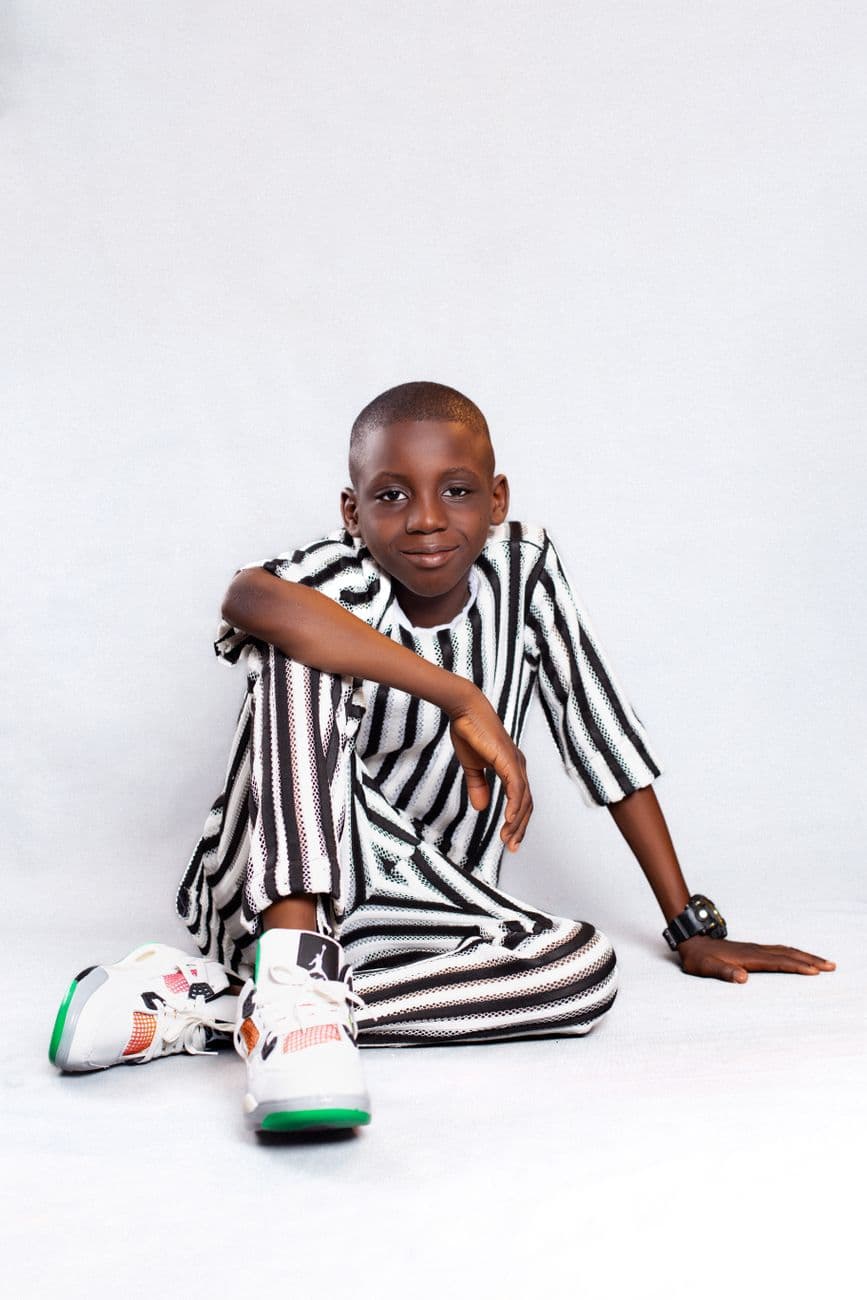
Fit over height
A well-fitting low-top with firm heel hold usually beats an ill-fitting high-top for daily support.
Fastenings matter
Laces or secure straps that lock the midfoot reduce sliding and ankle twists.
Inspect weekly
Check heel counters, sole wear and fastenings regularly; rotate pairs where possible.
Why playground safety changes how we choose boys' sneakers
We know that playgrounds are where kids learn to run, jump and test limits - and where most shoes meet their toughest use. For that reason, choosing boys' sneakers for everyday play should prioritise stability, a secure heel fit, and materials that take knocks without falling apart. Our goal here is to give clear, practical checks you can use at home or in-store so you end up with a pair that keeps play safe and comfortable.
Core features that matter for playground play
- Secure fastening: laces or strong velcro across the midfoot to stop the foot sliding forward.
- Firm heel counter: a firm back that cups the heel reduces slippage and helps control ankle movement.
- Wide, grippy sole: a broader outsole with rubber tread for lateral stability on climbing frames and wet surfaces.
- Moderate cushioning: enough to absorb impact from jumps but not so soft that balance is compromised.
- Durable upper: synthetic or reinforced textile that resists tearing from playground rough use.
These are the fundamentals. When we think about ankle support specifically, the simplest wins come from fit and fastening rather than height alone: a well-fitting low-top with a firm heel and good lacing often offers more practical day-to-day support than a floppy high-top that’s too large.
Quick practical fitting checklist (do this at home or in store)
- Measure the foot while standing - kids' feet spread under load. Aim for a thumb’s-width (about 1 cm) space at the longest toe.
- Check heel hold: with the laces/fastening tightened, your finger should not easily slip behind the heel collar when the child walks.
- Test lateral movement: ask the child to jog a few steps and change direction. If the foot slides, try a different size or a firmer style.
- Inspect the sole edge: a stable sole is slightly wider than the upper at the forefoot; it gives a steadier platform on uneven ground.
If you want to shop with us as you try these steps, explore our Kids sneakers selection at Sneakers and broader Kids category at Kids. We show heel structure and fastening clearly on product pages so you can compare how a style will behave on the playground.
How ankle support works for growing boys
Ankle support for children is different from adult orthopaedic support. Growing bones and changing gait mean that rigid, high-profile braces are rarely the right first choice. Instead, we focus on:
- Prevention through fit: a properly fitting sneaker reduces the risk of rolling the ankle during sudden turns.
- Functional support: firm heel cups and secure fastenings guide natural movement without restricting healthy development.
- Situational upgrades: for a child with repeated ankle sprains or hypermobility, a podiatrist may recommend a higher-cut shoe or ankle brace - but that’s after professional assessment.
In our experience, families get better day-to-day results by fixing fit and fastening rather than defaulting to taller boots. For children who need specialist support, a local clinician or orthotist will advise on shoes that accommodate insoles or braces.
Design features to prioritise (and a few to avoid)
When we compare sneakers on Bash or in-store, we look for these tangible design points:
- Firm heel collar: supports the Achilles and prevents heel slip.
- Reinforced toe: keeps the shoe intact during jumps and scrapes.
- Secure midfoot fastening: continuous lacing or a wide strap that locks the foot down.
- Non-slip rubber outsole: patterns that shed mud and keep traction on wet grass.
Avoid extremely soft, flattened soles and loose slip-on styles for active playground use - they reduce stability and increase the chance of twists. Likewise, heavy fashion boots that restrict ankle mobility can be awkward for running and climbing.
Simple care and inspection routine
- Weekly check: look for sole separation, worn heel counters, or frayed straps; these are signs the shoe no longer protects as intended.
- Rotate two pairs: alternating shoes lets materials recover and extends life; expect energetic boys to replace playground sneakers more often.
- Fix small problems early: replace loose laces, re-attach soles with a sneaker glue designed for footwear, or visit a local cobbler for stronger repairs.
As a rough South African price guide, everyday boys' playground sneakers suitable for good support typically start around R350 and go to R1 200 for reinforced, branded options. These are estimates based on common ranges; quality and durability usually rise with price but fit and structural design matter most.
When to seek professional advice
If your child has recurring ankle sprains, persistent limping after activity, or a clear difference in one foot’s function, speak with a healthcare professional. Podiatrists, physiotherapists and paediatricians can assess gait, recommend exercises for strength and balance, and advise on whether a higher-cut shoe or orthotic is appropriate.
Consideration: We recommend trying shoes on late in the day when feet are slightly larger from activity. That gives a truer fit than first thing in the morning.
Practical examples for common playground scenarios
- Active climbers: choose a sneaker with a firm heel, wide sole and strong toe reinforcement to protect against scrapes and offer stability on frames.
- Child who trips or rolls ankles: prioritise a shoe with tighter lacing and a stiffened heel; consult a physiotherapist if incidents repeat.
- Wet-weather play: rubber outsoles with deep treads reduce slips; avoid smooth midsoles that channel water underfoot.
When you want a quick way to compare product details before buying, view our Sneakers collection where sizing notes and structural photos are shown at the product level: Sneakers. For further reading about general kids’ footwear and safety, our articles section is useful: Kids articles.
Final thoughts - practical, not perfect
We aim to help you make choices that reduce risk while letting boys play freely. Fit, secure fastening and a stable sole are the most reliable features to look for. If you combine those with simple weekly checks and sensible care, you’ll get better value and much safer play over the life of the shoe.
Sources
- HealthyChildren.org - Playground safety overview
- Safe Kids Worldwide - Playground safety tips
- NHS - Leg and foot problems in children (footwear guidance)
- U.S. Consumer Product Safety Commission - Playground standards and safety

Performance Marketing Lead at Bash, with a background in marketing from UNISA and years spent driving paid search strategy at leading e-commerce brands like takealot.com, I focus on data-driven growth, Google Ads optimization, and scaling digital performance.
Disclaimer: This content is for educational purposes only. Product availability, pricing, and specifications are subject to change. Always verify current details on the retailer's website before making a purchase.


